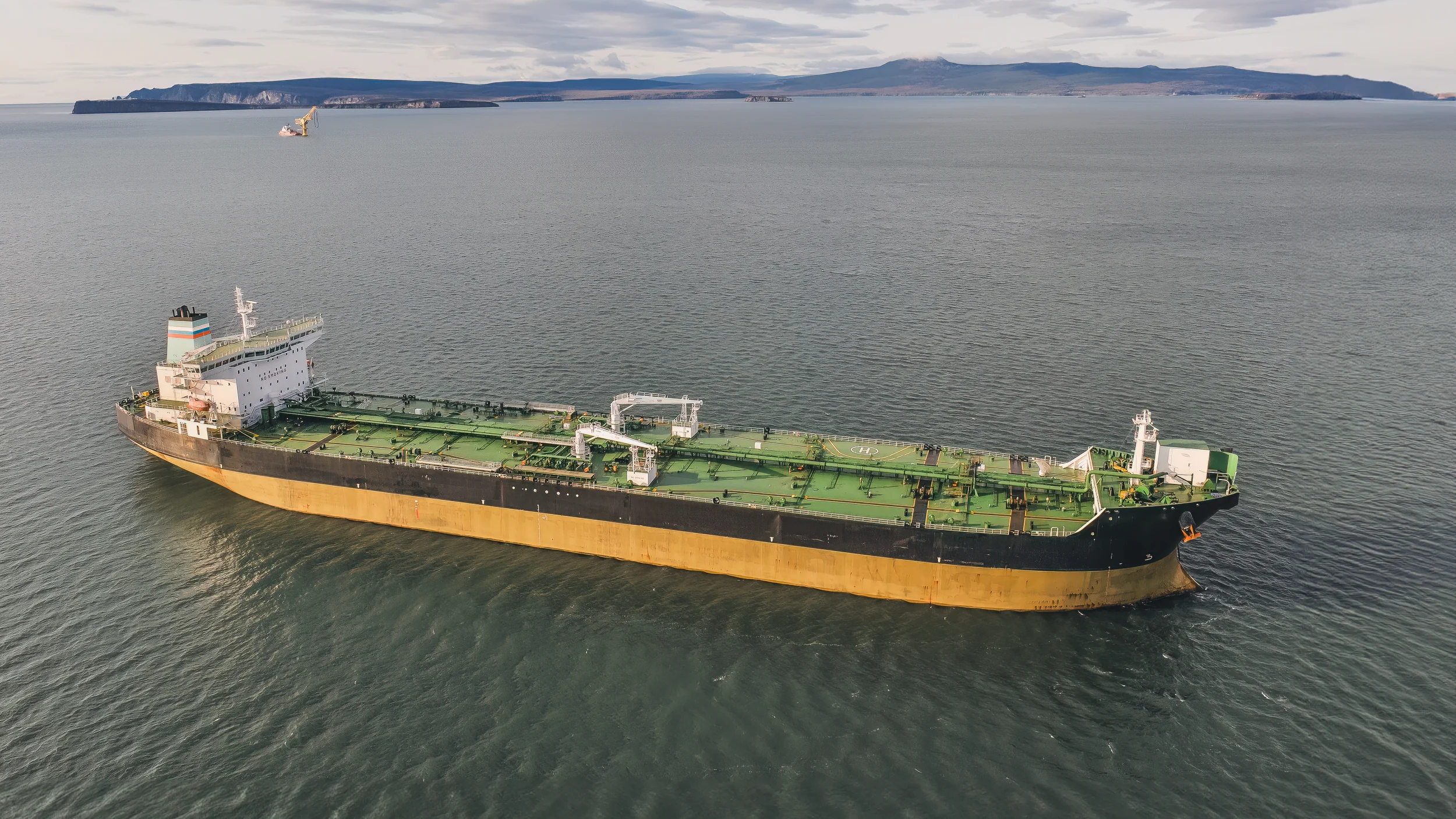
The strikes, which began Monday night, have turned the Sea of Azov into a high-risk zone for the Russian military. According to reports from the 414th Brigade, the hits include 19 shadow-fleet tankers, one cargo ship, and a ferry in Kerch. Russian military bloggers have characterized the formation of these fuel convoys as a shooting range for Ukrainian drone operators, noting that the Black Sea Fleet provides no effective protection for these unarmored vessels.
This maritime pressure coincides with a broader attempt by Moscow to degrade Ukraine’s domestic fuel infrastructure. French analyst Clément Molin estimates that roughly 50 to 70 petrol stations across Ukraine have been destroyed since early June. The intensity of these strikes has reached a diplomatic level, with Azerbaijan summoning the Russian ambassador after attacks hit facilities owned by the state-linked energy firm SOCAR. Meanwhile, ground operations remain defined by contradictory official narratives, particularly regarding the city of Kostyantynivka. While Russian state sources claim the town is liberated, local reports confirm ongoing urban combat, highlighting a widening gap between Kremlin announcements and the tactical reality on the ground.
Comments (0)
No comments yet. Be the first!