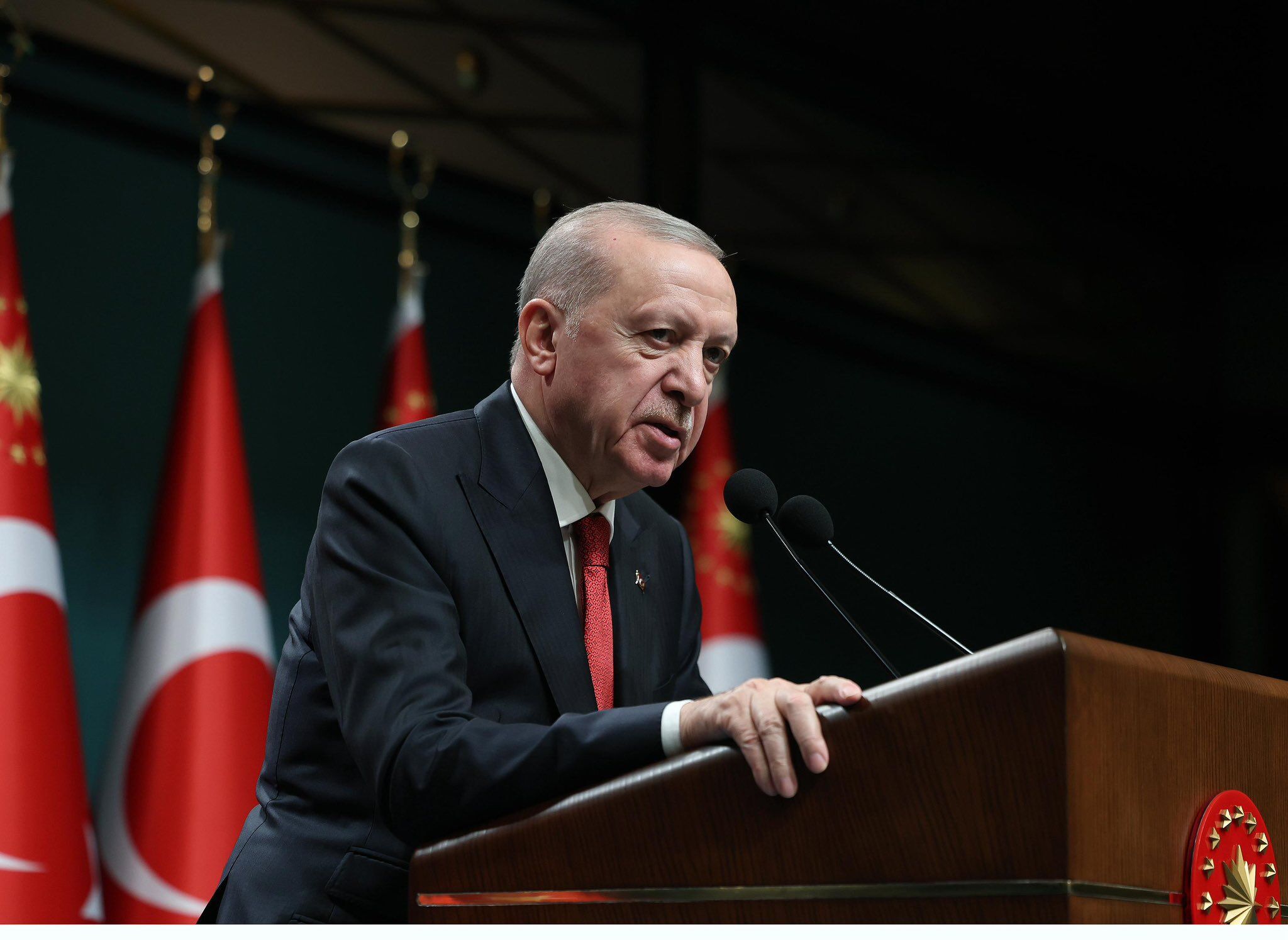
For years, the relationship between Turkey and the West teetered on the brink of collapse. European capitals once balked at Erdoğan’s record, citing the systematic arrest of political opponents, military incursions into Kurdish-held northern Syria, and a perceived tolerance for jihadists transiting toward the Islamic State. Yet, any formal divorce between the allies would have handed a major geopolitical victory to Russia, effectively surrendering Nato influence across the Black Sea and the eastern Mediterranean.
The Balancing Act in Ankara
The current rapprochement follows a decade of severe turbulence, ignited by the failed 2016 coup attempt. Erdoğan’s subsequent suspicion of US involvement paved the way for his alignment with Vladimir Putin, most notably through the procurement of Russian anti-aircraft systems. This move cost Turkey its access to American F-35 fighter jets, yet the alliance did not shatter. While Europe viewed these events through a lens of democratic values, the Turkish public focused on the US support for Kurdish militias in Syria—a group Ankara identifies as its primary security threat. By hosting the summit, the alliance acknowledges that Turkey remains a strategic necessity, regardless of the ongoing friction over political freedoms.
Comments (0)
No comments yet. Be the first!