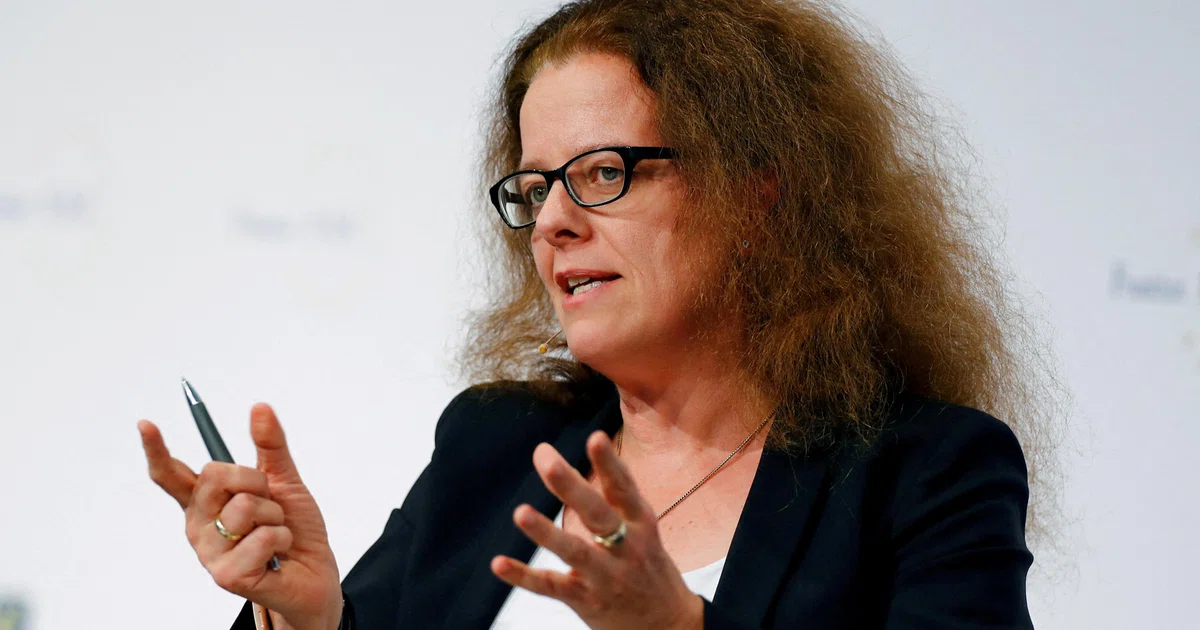
Schnabel highlighted that gas prices hover 40% above pre-war levels, while refinery profit margins remain double their historical norms. She pointed to emerging environmental stressors, specifically the European heat wave and the Super El Niño phenomenon, as potential catalysts for further food inflation. These factors complicate the policy outlook for the ECB, keeping the necessity for continued tightening firmly on the table despite market speculation regarding upcoming rate decisions.
Contrasting this cautious stance, Belgian central bank governor Pierre Wunsch expressed a more optimistic outlook. He suggested that the initial energy shock has largely retreated from market pricing. Wunsch cautioned against policy inertia, arguing that the ECB risks falling behind the curve if it delays a final rate hike until the September projections are finalized. His comments underscore a growing internal debate among policymakers regarding the timing and necessity of further monetary intervention as economic indicators show divergent trends.
Comments (0)
No comments yet. Be the first!