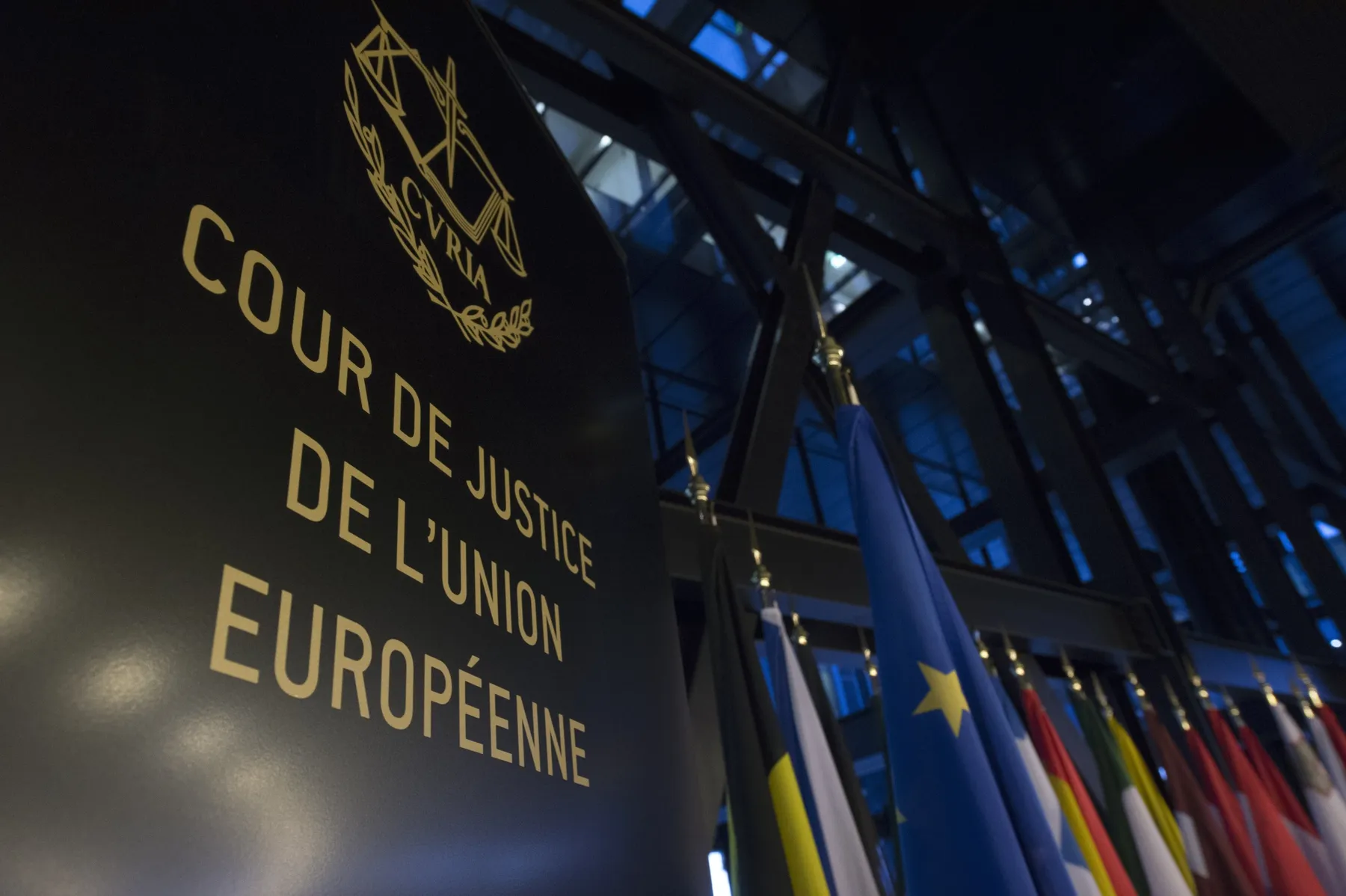
The Luxembourg-based court, which holds the final word on laws affecting half a billion people, relies heavily on a system of self-assessment to manage potential conflicts. While the court’s code of conduct mandates that jurists disclose financial interests every three years, the investigation revealed significant gaps, including outdated filings and a lack of clear definitions regarding what constitutes a conflict of interest. In several instances, judges participated in cases involving industries where they held personal stakes, raising concerns about the perception of impartiality.
Notable examples include Advocate General Juliane Kokott, who ruled on pharmaceutical cases while holding shares in companies like AstraZeneca and BioNTech, and Judge Geert de Baere, who sat on a panel deciding a case involving BNP Paribas while maintaining a portfolio managed through the bank. Although no evidence suggests these jurists derived material benefits from their rulings, experts argue that the current culture of secrecy and self-regulation is insufficient for a supreme judicial body. The European Ombudsman has since launched an inquiry into the court’s failure to maintain accessible, updated public disclosure records. Critics suggest that moving toward longer, non-renewable terms and prohibiting judges from holding individual stocks could better align the court with modern standards of judicial integrity.
Comments (0)
No comments yet. Be the first!