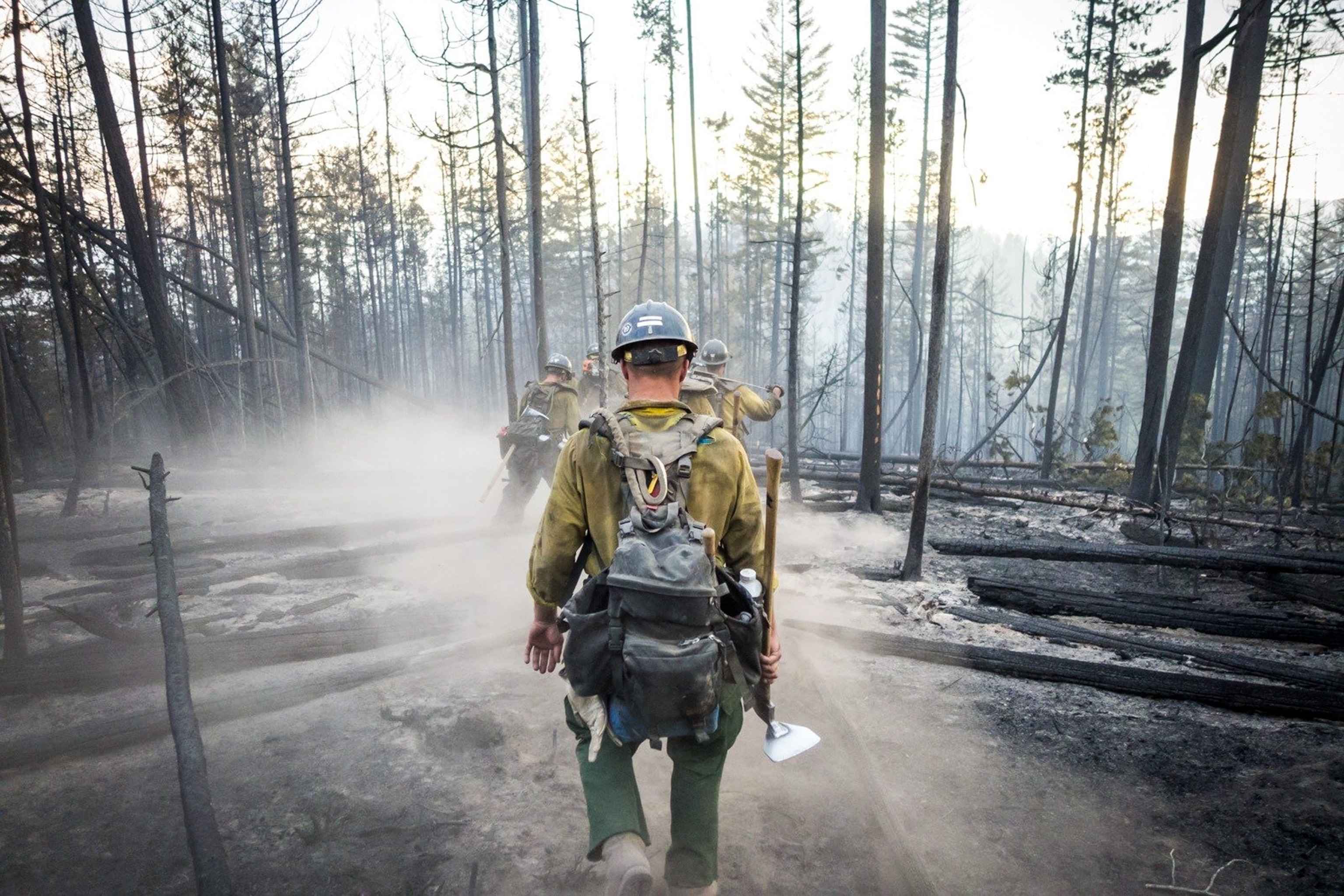
The wide variance in pay reflects a decentralized emergency response system where local tax bases, cost-of-living adjustments, and departmental structures dictate earnings. Chris Lake, director of collective bargaining for the International Association of Firefighters, notes that no uniform funding model exists. Because pay is often tied to local government budgets, compensation fluctuates based on whether a department serves a dense urban center with high-rise risks or a rural area prone to wildland fires.
Beyond base salary, the profession faces an ongoing reliance on unpaid labor. FEMA reports that nearly 70% of the nation's firefighters serve as volunteers. These responders often trade their time for certifications and tax credits rather than a regular paycheck, filling critical coverage gaps in regions where municipal budgets cannot support full-time crews. The resulting map of earnings is a patchwork of local priorities, where a firefighter's take-home pay is as much a product of their zip code as it is their training and specialized equipment.
Comments (0)
No comments yet. Be the first!