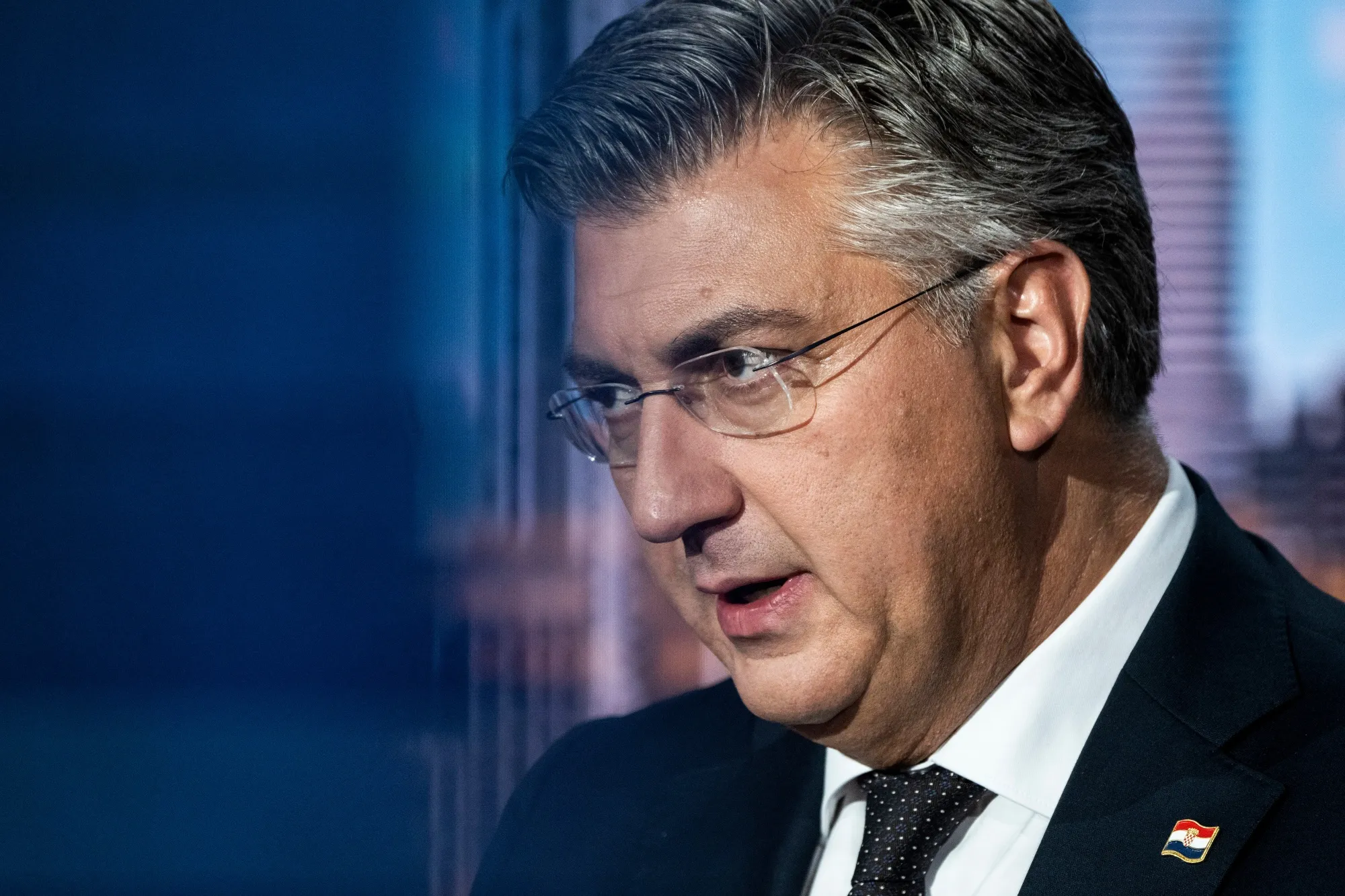
While Prime Minister Andrej Plenković maintains a veneer of stability as a reliable European Union partner, his domestic record tells a different story. Critics argue that his three-term administration has increasingly adopted authoritarian traits, balancing European mandates with the demands of a rising far-right base. This tension reached a breaking point last July when an estimated 500,000 people attended a concert by Marko Perković, a performer known for glorifying the Ustaše regime that collaborated with the Nazis.
The event at Zagreb’s hippodrome served as a catalyst for a broader social shift. Despite the display of fascist slogans and symbols, law enforcement remained passive. The normalization of this rhetoric was underscored when Plenković himself appeared at a dress rehearsal for the concert, signaling a tacit endorsement that emboldened nationalist groups. By November, the impact was clear: football ultras and war veterans began targeting Serbian associations and foreign workers across cities including Split and Vukovar.
Milardović draws a stark parallel to the Weimar Republic, citing the volatile communication between political factions and the weaponization of history. For the professor, the constant invocation of World War II-era ideologies is a deliberate political strategy rather than a genuine historical inquiry. By keeping the nation focused on the partisan versus Ustaše divide, political actors effectively stall progress, keeping the electorate anchored to a past that continues to dictate the country’s modern trajectory.
Comments (0)
No comments yet. Be the first!