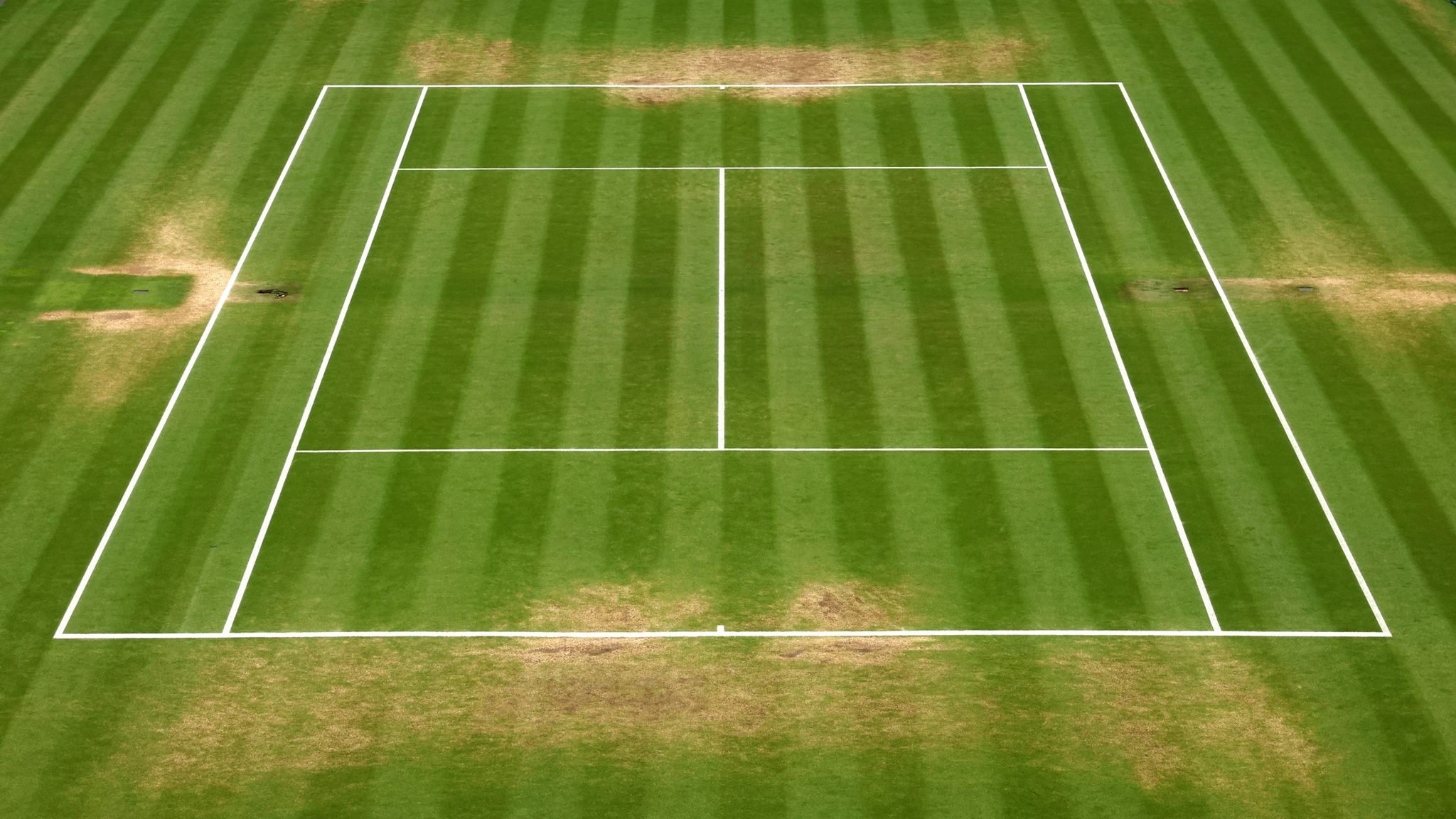
For Stubley, the tournament is a high-stakes cycle of adrenaline and technical precision. His day begins at 5 a.m. with a mental audit of potential crises—from malfunctioning court covers to unauthorized intruders—before he arrives at the grounds by 6:30 a.m. The operation relies on a rigorous analytical feedback loop: daily data from the Sports Turf Research Institute measures everything from soil moisture to surface hardness, ensuring that all 18 match courts perform with absolute consistency.
While spectators focus on the drama of a final, Stubley remains preoccupied with the mechanics of the grass. During a 2013 final between Andy Murray and Novak Djokovic, his attention was fixed entirely on the players' footing, monitoring for signs of dust and slippage as the heat took its toll on the surface. This perpetual state of vigilance is something he has learned to embrace, viewing the persistent anxiety of the tournament as a necessary safeguard against complacency. When the final match concludes and the stadium empties, the team’s work continues, often stretching past midnight to prepare the courts for the following day’s play. It is a grueling, repetitive rhythm that only relents when the referee officially declares the Championships over.
Comments (0)
No comments yet. Be the first!