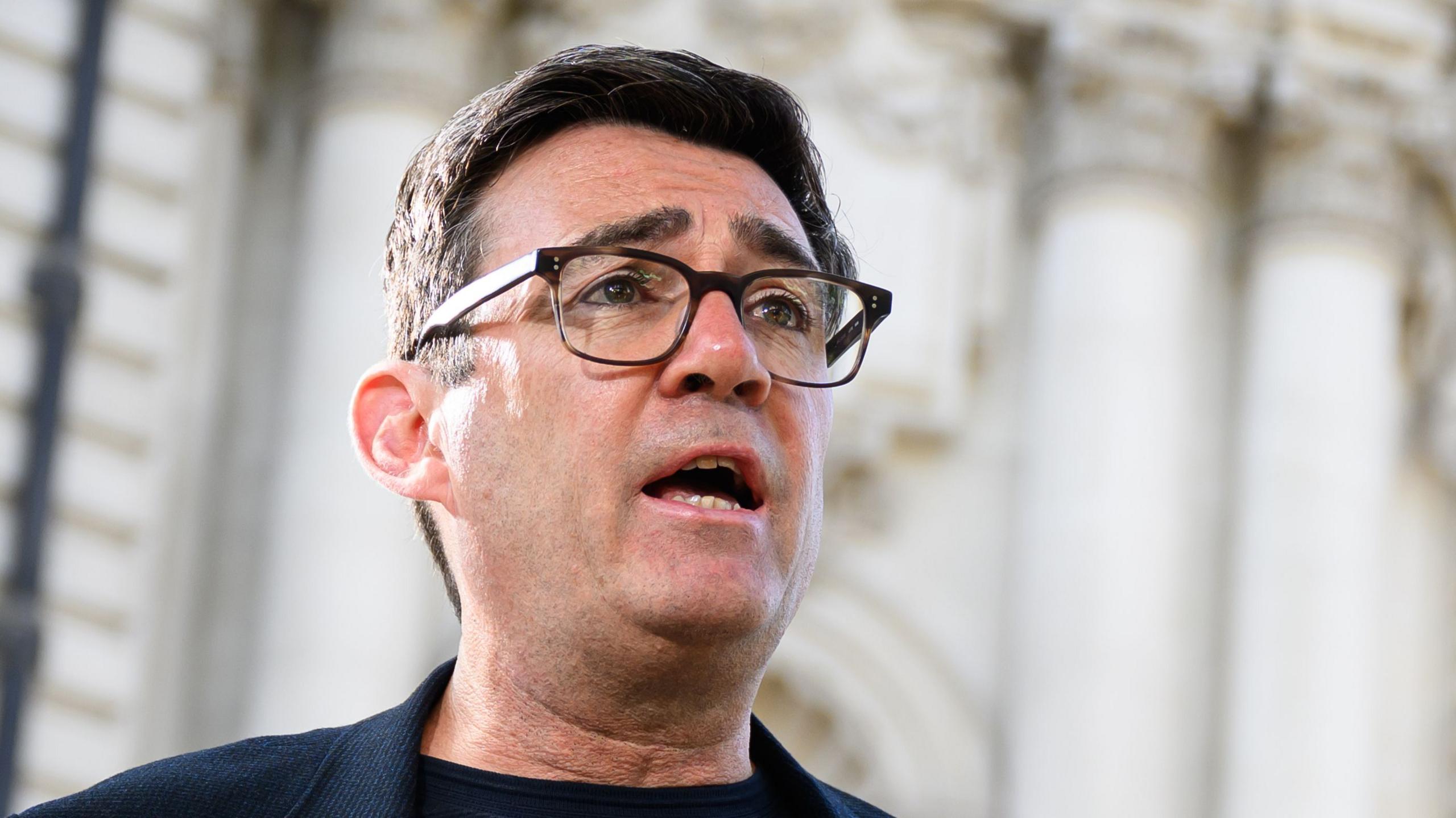
The United Kingdom faces a security landscape defined by persistent Russian aggression and wavering US commitments, yet its internal politics remain preoccupied with domestic churn. Following the rapid turnover of recent administrations, there is a desperate need for a coherent strategy that transcends the current atmosphere of administrative neglect. While Burnham has signaled a desire to pivot away from the frequent international travel of his predecessor, Keir Starmer, the reality of the global threat environment will likely force his hand. The most immediate hurdle is the chasm between the government’s stated commitments to Nato and the functional reality of its armed forces.
John Healey’s recent resignation as defence secretary highlighted a culture of indecision regarding military funding. Beyond simply increasing budgets, the incoming administration must confront the reality that British institutions are currently failing to grasp the scale of sub-threshold threats. The recent revelation by the New York Times—rather than British officials—that Russian hackers were behind a $2.5bn cyber-attack on Jaguar Land Rover illustrates a broader failure of transparency and strategic competence. If Burnham intends to reverse this decline, he must replace bureaucratic obfuscation with a candid assessment of Britain's vulnerability, starting with a fundamental overhaul of defense leadership and a clear-eyed approach to foreign policy.
Comments (0)
No comments yet. Be the first!