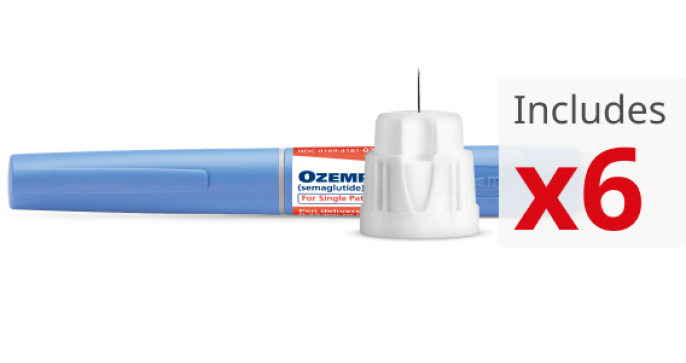
Diamond analyzed a dataset comparing GLP-1 users against those who intended to start the medication, controlling for variables such as health and race. Among non-working women, those on the drugs were 27 percentage points more likely to land a job. The impact on personal life was even more pronounced, with a 29 percentage point increase in women entering marriage or cohabitation. These shifts occurred almost exclusively in scenarios dependent on first impressions, such as job interviews or early dating stages.
The impact of first impressions
Existing professional or romantic relationships remained largely unaffected by the weight loss, implying that long-term partners or established employers rely on a deeper history beyond physical appearance. While weight-related health improvements or increased self-confidence might play a role, Diamond noted that these factors alone do not fully account for the surge in opportunities. Instead, the data points to a persistent bias where body size functions as a gatekeeper for women entering new social or professional spheres.
This phenomenon highlights a broader societal inequality, particularly as GLP-1 access remains tied to wealth. With 40% of users paying out of pocket—often upwards of $300 monthly—the benefits of this "weight-loss premium" are primarily accessible to those with higher household incomes. If physical appearance remains a hidden prerequisite for employment, the prohibitive cost of these drugs may further widen the economic gap, allowing wealthier women to leverage pharmacological intervention to climb social and financial ladders while others remain penalized by their weight.
Comments (0)
No comments yet. Be the first!