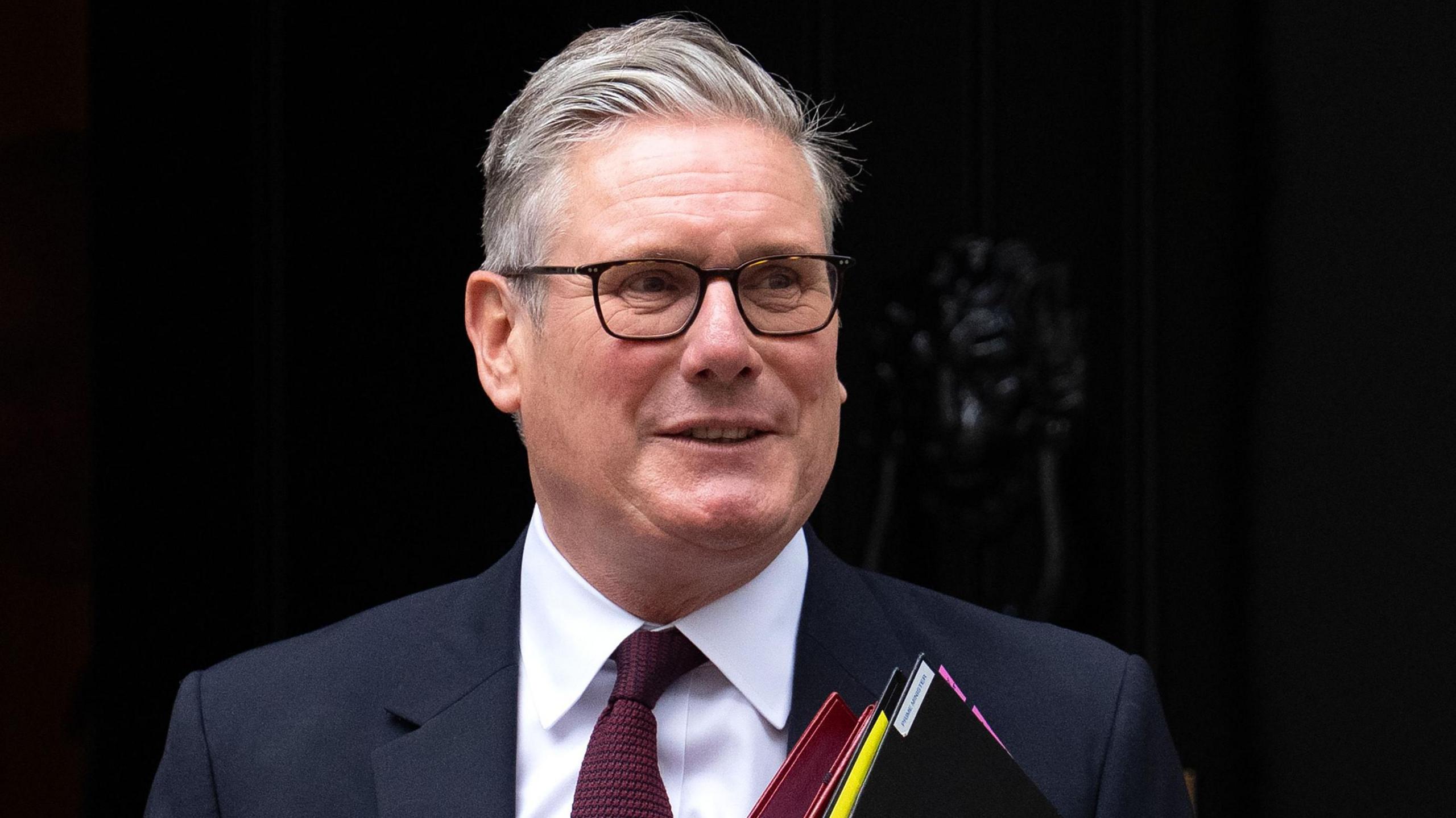
The delay disrupts momentum on key negotiations, including agreements on agri-food trade, youth mobility, and the integration of emissions trading systems. While EU officials remain optimistic that these objectives persist, the broader trajectory of the relationship remains uncertain. Sandro Gozi, chair of the EU-UK Parliamentary Partnership Assembly, noted that the success of the reset depends on whether the incoming leadership attempts to bypass current constraints on the single market, the customs union, and freedom of movement.
Economic pressure is mounting, with Brexit-related costs estimated at 5-6% of GDP. John Springford of the Centre for European Reform warns that this is not merely a one-off shock but a long-term drag on productivity. Even if all proposed reset measures are enacted, experts estimate they would offset only a fraction of these losses. Public sentiment is shifting, with 66% of Britons now viewing Brexit as a net negative, yet domestic political fragmentation continues to prevent a coherent long-term strategy. While younger generations favor deeper integration, any structural shift toward re-entry remains a distant prospect, contingent on both internal British consensus and the European Union’s own institutional readiness for future expansion.
Comments (0)
No comments yet. Be the first!