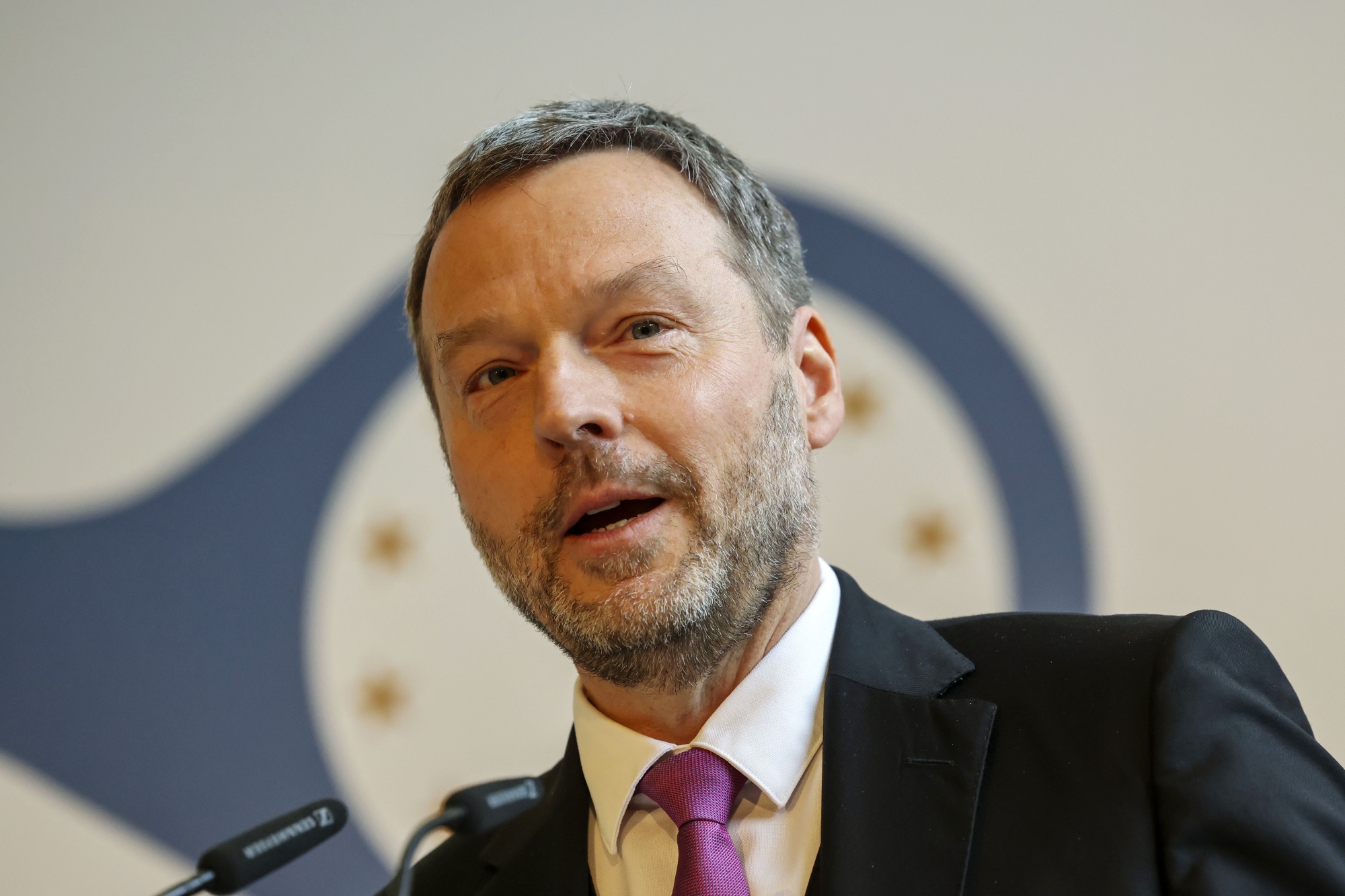
Wunsch, a member of the ECB Governing Council, believes that a potential oil glut by 2027 could drag energy costs down significantly, potentially easing overall inflation. However, he remains cautious about the structural impact of demand destruction and the green energy transition, which may permanently alter supply dynamics. His primary concern lies in the second-round effects of inflation, particularly regarding how wage adaptations and intermediate goods pricing influence the broader economy. If services inflation remains high, he advocates for a proactive 25-basis-point hike to stay ahead of the trend, rather than waiting for definitive data that might arrive too late.
Despite the current strategy of making decisions on a meeting-by-meeting basis, Wunsch acknowledges that this communication style cannot persist indefinitely without losing its efficacy. He suggests that the ECB should move toward conditional guidance, especially as geopolitical conflicts evolve. Regarding the U.S. Federal Reserve, he noted that higher American interest rates inevitably pull investors across the Atlantic, impacting the long end of the yield curve and exchange rates. Ultimately, he maintains that the ECB’s recent decision-making process was a rational response to high uncertainty rather than a policy error, providing the flexibility to adjust rates as economic conditions stabilize.
Comments (0)
No comments yet. Be the first!