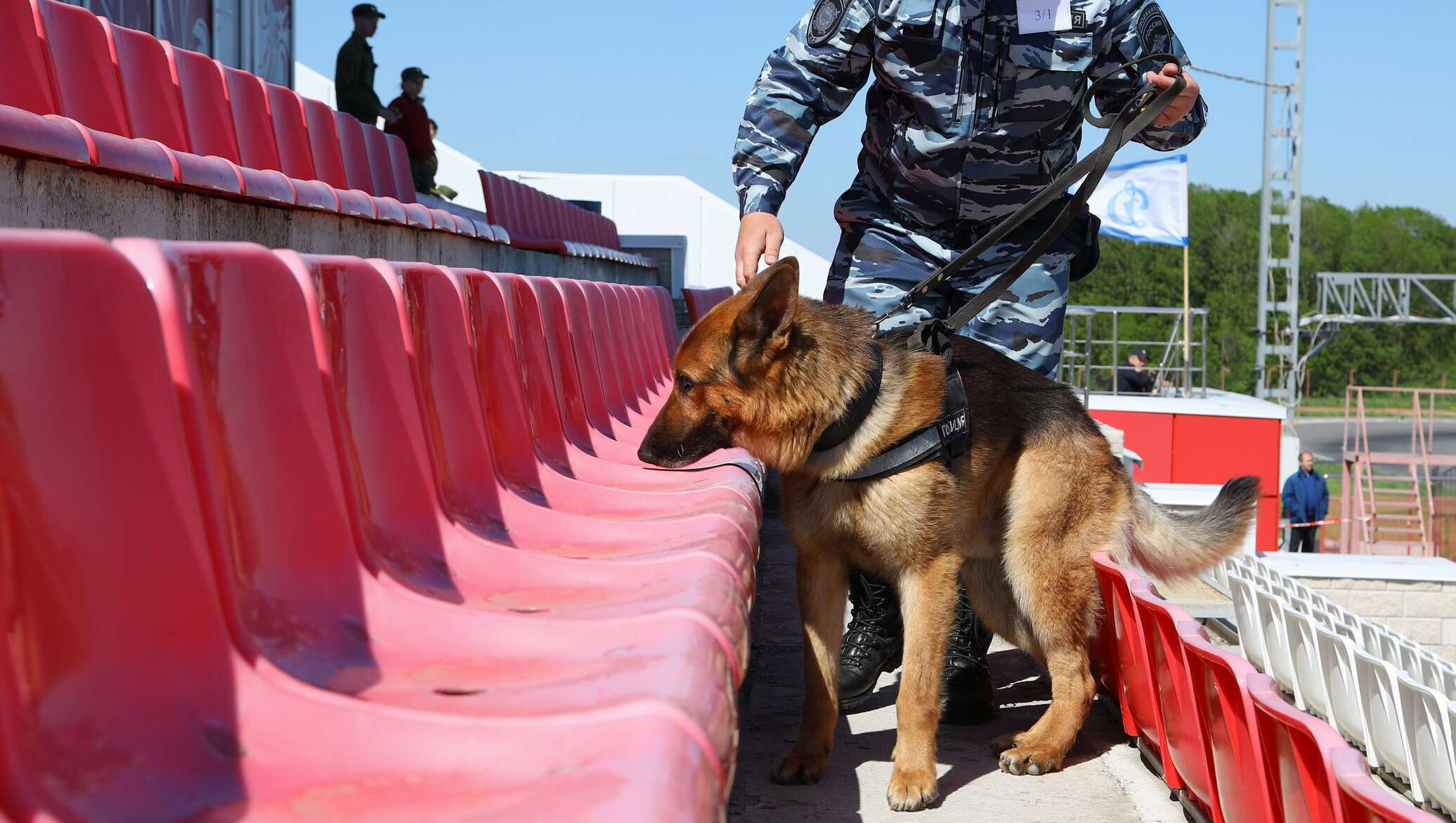
The scale of the operation demands meticulous coordination. While planning for FIFA-related events has been ongoing for a year, the past three months have been dedicated to rigorous site walkthroughs and deployment schedules. Silva’s teams operate in concert with local law enforcement, adjusting their security posture based on the threat profile of each location. High-interest sites, such as the US team's practice facility, require heightened visibility, but every venue receives the same level of scrutiny.
At the center of this effort are the dogs themselves, like Silva’s partner, a 7-year-old black lab named Fitz. These animals are trained exclusively for explosive detection, undergoing an imprinting process at a Connecticut facility where they master the scent of every known explosive odor. Daily maintenance training acts as a game of hide-and-seek, keeping the dogs sharp and motivated. Handlers are trained to read subtle changes in behavior—a slight shift in focus that can signal a potential threat, such as the time a dog’s alert at a Los Angeles movie premiere led to the discovery of a single bullet in a spectator's pocket. Ultimately, the K-9 units serve as a critical deterrent, working quietly behind the scenes to ensure that if the tournament passes without disruption, their mission is considered a complete success.
Comments (0)
No comments yet. Be the first!