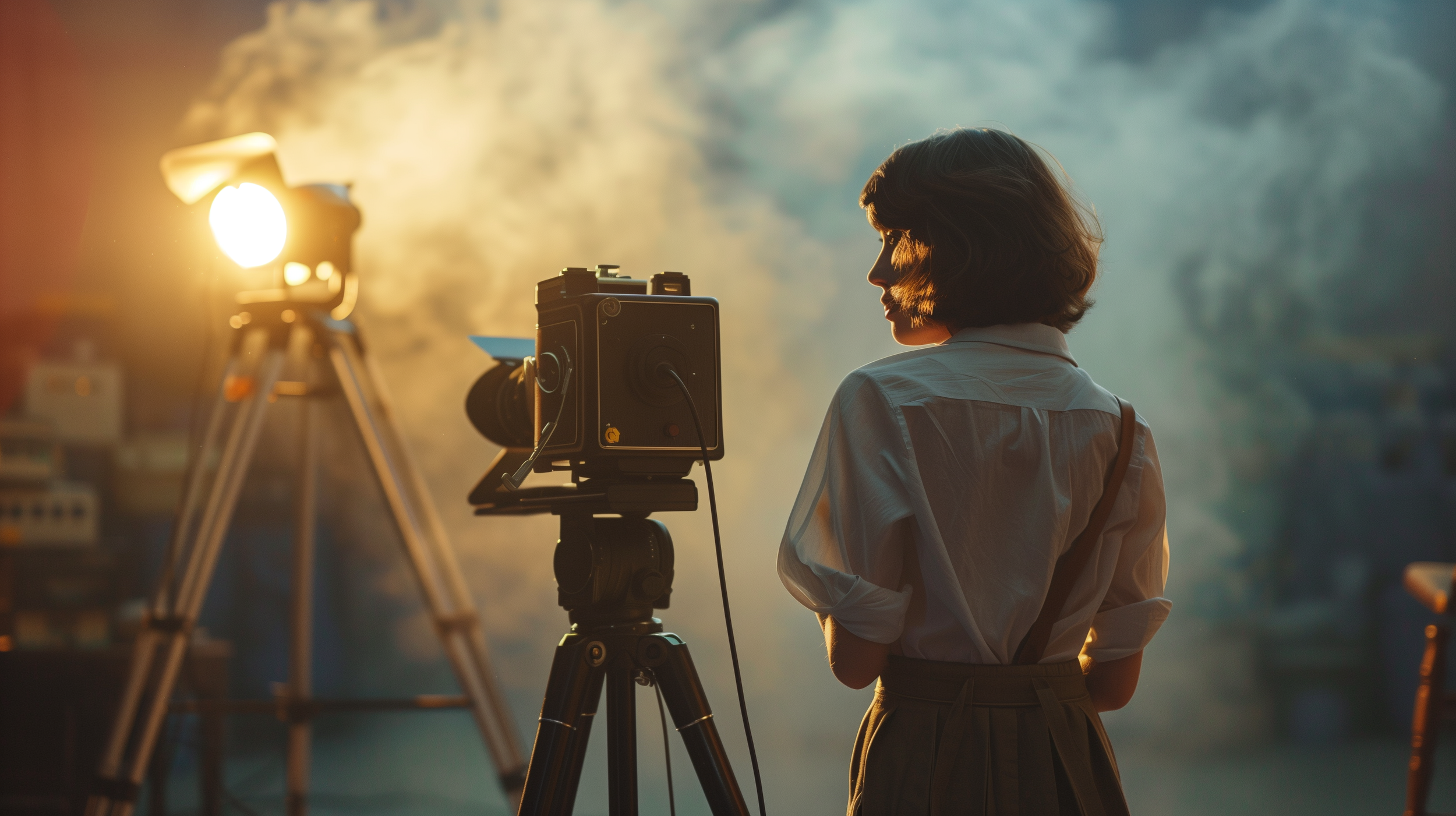
The 75-minute production, a memorial to victims of the Iranian government’s recent crackdowns, was born from necessity rather than a desire to displace workers. Koosha, an Iranian exile and CEO of a tech-infrastructure startup, explained that filming in Tehran with a real crew would have endangered lives. Instead, he utilized tools like Anthropic’s Claude to generate video elements that would typically require costume designers, camera operators, and location scouts. He finished the project in roughly two months, noting that the $2,000 budget mostly covered software subscription fees.
Despite the automated workflow, Koosha dismisses the notion that AI democratizes filmmaking for the unskilled. He argues that the film's acceptance into a competitive festival rests on his own background in music production and cinema, rather than the technology itself. For Koosha, the industry is not facing a total replacement of staff, but an evolution in how expertise is applied. He suggests that roles such as lighting and sound design will shift toward AI-assisted workflows, requiring a deep understanding of visual storytelling to master.
Human nuance remains a bottleneck in this new model. Koosha voiced six characters himself, including a child and a woman, because he found existing AI voice models lacked the necessary realism. As he prepares his next project, he intends to hire five specialists with existing film experience to experiment with the same AI-driven pipeline, signaling that the future of cinema may lie in specialized teams operating at the speed of news rather than the elimination of the craft entirely.
Comments (0)
No comments yet. Be the first!