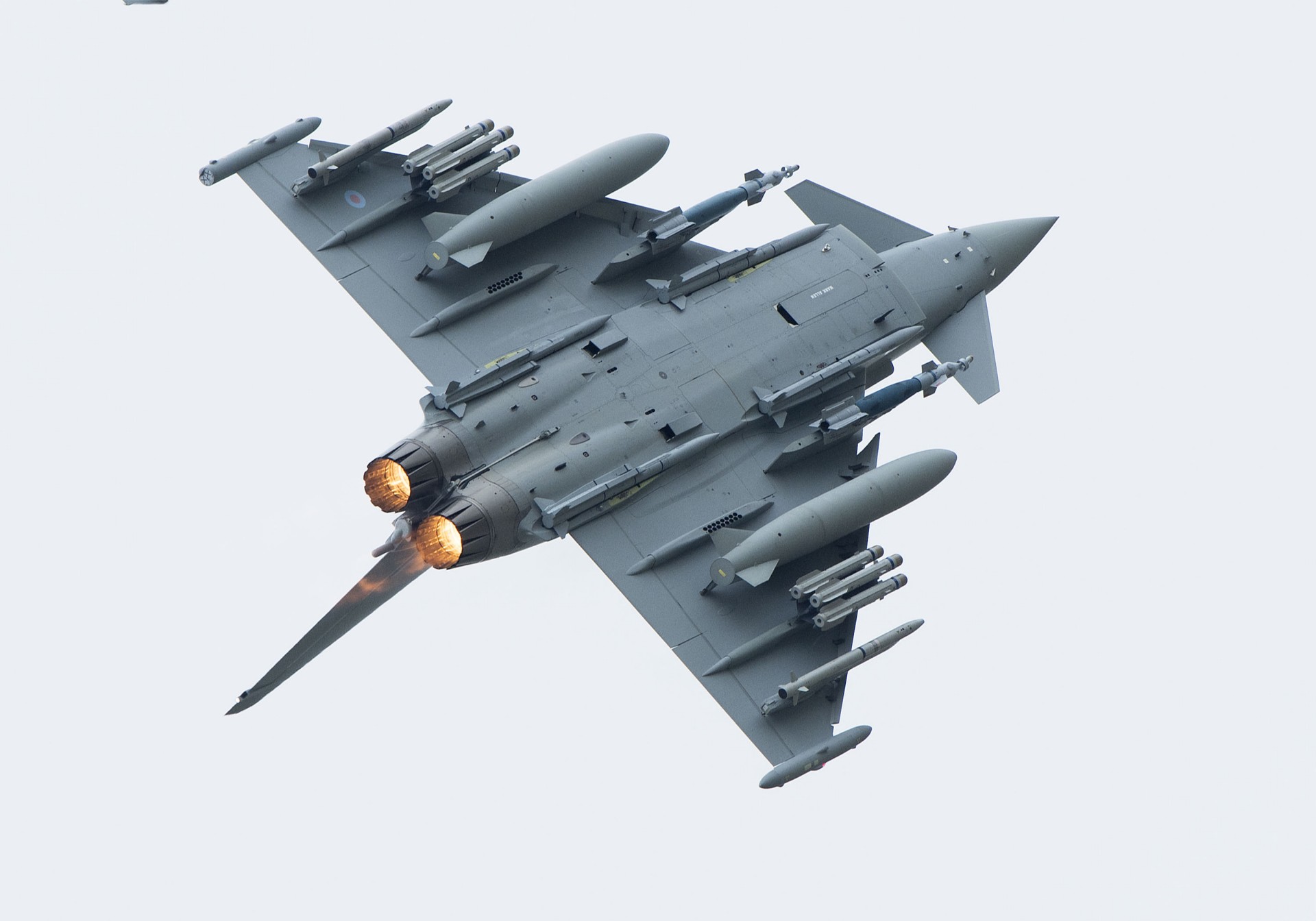
The current reliance on U.S. defense systems creates a structural imbalance where foreign proprietary restrictions can effectively disable European assets. When critical components, satellite links, and cryptographic keys remain under American control, the EU lacks the ultimate authority to deploy its own defenses independently. This dependence transforms political disagreements between allies into direct operational risks, as seen in fluctuating support levels for international conflicts.
Beyond hardware, the continent faces a persistent "brain drain" where European innovators are absorbed into the American industrial-military complex. U.S. entities like the Defense Innovation Unit leverage faster procurement and easier access to venture capital to pull promising startups across the Atlantic. While European R&D spending has nudged upward to 2.24% of GDP over the last decade, existing programs like Horizon Europe remain too slow to compete with the speed of global defense markets.
To bridge this gap, member states must prioritize dual-use technologies—specifically AI, secure communications, and advanced materials—while fostering a unified capital market for deep tech. Strengthening the pipeline between universities and local industry is essential to ensure that research is commercialized within European borders. Success requires moving beyond fragmented national initiatives toward a coherent industrial strategy that retains control over essential intellectual property, allowing the continent to act as a self-sufficient partner within the NATO alliance.
Comments (0)
No comments yet. Be the first!