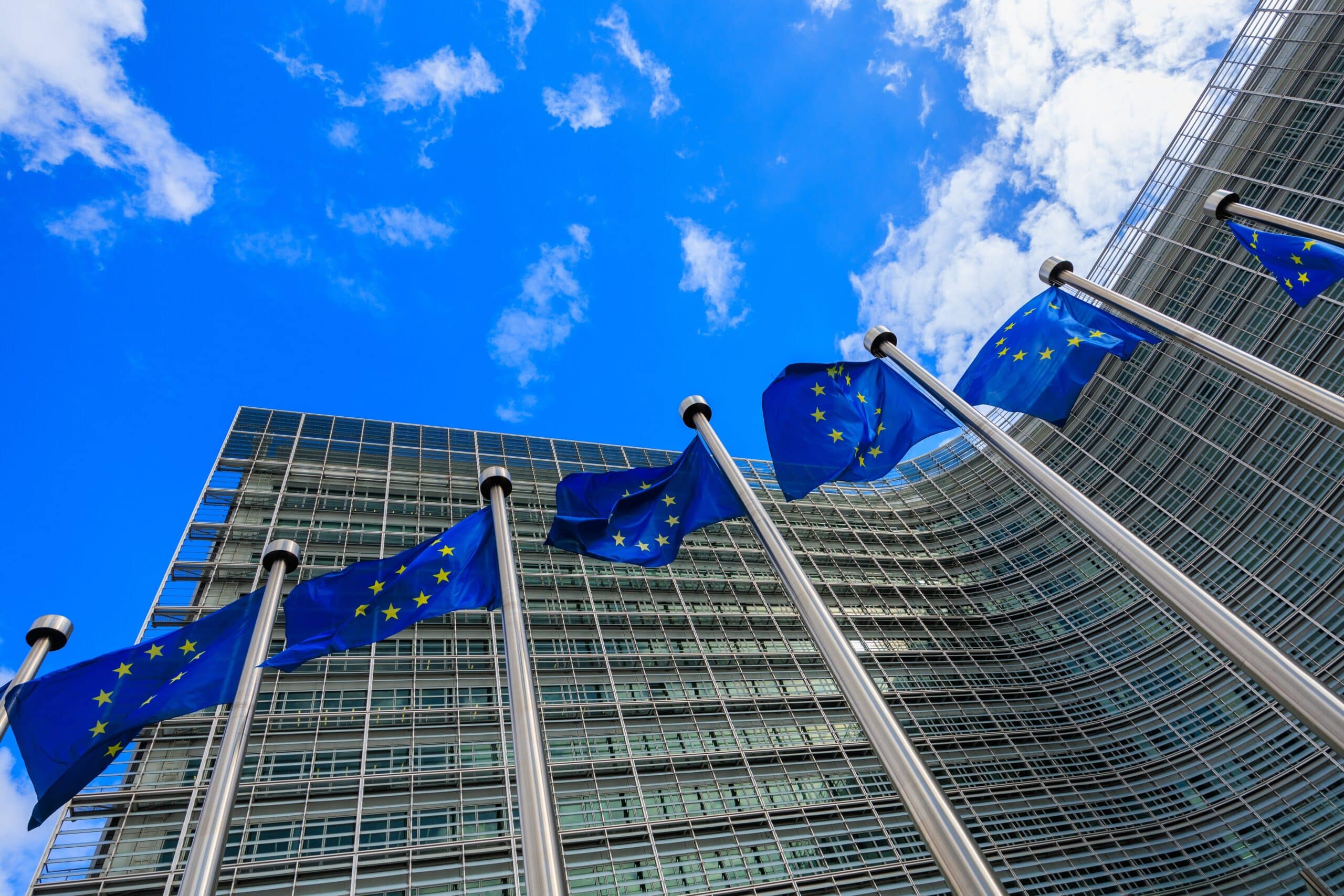
At Friday’s meeting in Brussels, leaders are expected to discuss ways to ease agri-food trade, connect emissions trading systems and strengthen cooperation on energy, migration, technology and defense. The talks come as the economic costs of Brexit have become more apparent. A National Bureau of Economic Research study estimated that the departure had reduced U.K. GDP by 6% to 8% by the end of 2025.
The British government estimates that easing agri-food trade could add up to £5.1 billion (€6.1 billion) to annual GDP by 2040, while linking carbon markets could add £3.8 billion (€4.6 billion). Those gains would offset only a fraction of Brexit’s economic impact, according to John Springford of the Centre for European Reform. A report by U.K. in a Changing Europe estimated that a customs union could lift GDP by around 0.5% in the long run, a Swiss-style arrangement by 1% to 2%, and rejoining the single market by roughly 3%.
Each option carries political costs. A customs union would limit Britain’s independent trade policy; single-market membership would mean accepting EU rules, financial contributions and freedom of movement, without necessarily giving London a role in shaping those rules. Prime Minister Andy Burnham has ruled out rejoining either the single market or customs union, and restoring freedom of movement, before the next general election. The Financial Times reported that he has delayed setting out the U.K.’s long-term options while consulting Brussels.
Energy, migration and mobility
Energy cooperation could offer a more immediate area of agreement. The two sides are seeking to link their emissions trading systems, which would prevent businesses from paying carbon costs twice. E3G adviser Artur Patuleia said closer electricity-market integration could help lower bills, strengthen energy resilience and support North Sea wind. Whether U.K. companies will qualify for the EU’s proposed “Made in Europe” provisions remains unresolved.
Migration is also on the summit agenda. Burnham has proposed closer law-enforcement cooperation, including sharing more data and foreign nationals’ criminal records, and faster access to electronic evidence from phones. He has also raised the possibility of the U.K. rejoining the Schengen Information System. The U.K. is due to rejoin Erasmus+ on January 1, 2027, but negotiations continue over visa numbers and tuition fees for EU students.
Security ties and the limits of alignment
The U.K. and EU have worked together on intelligence, training Ukrainian troops, sanctions and military support since Russia’s full-scale invasion of Ukraine in 2022. Britain has allocated around €16 billion in military aid to Kyiv, according to the Kiel Institute’s Ukraine Support Tracker. But talks over British participation in the EU’s €150 billion SAFE defense-procurement program collapsed amid disputes over access and “Made in Europe” rules.
The summit will also test whether the sides can narrow differences in digital regulation. EU laws adopted since Brexit include the Digital Services Act, Digital Markets Act and Artificial Intelligence Act; the U.K.’s Online Safety Act reflects some similar aims. Luca Cinciripini of the Italian Institute of International Affairs said sector-by-sector agreements would have limited effect if Britain continued to reject the broader freedoms associated with closer integration. Former Deputy Prime Minister David Lammy has called for the debate to be based on “what is real and not what is myth.”
Comments (0)
No comments yet. Be the first!