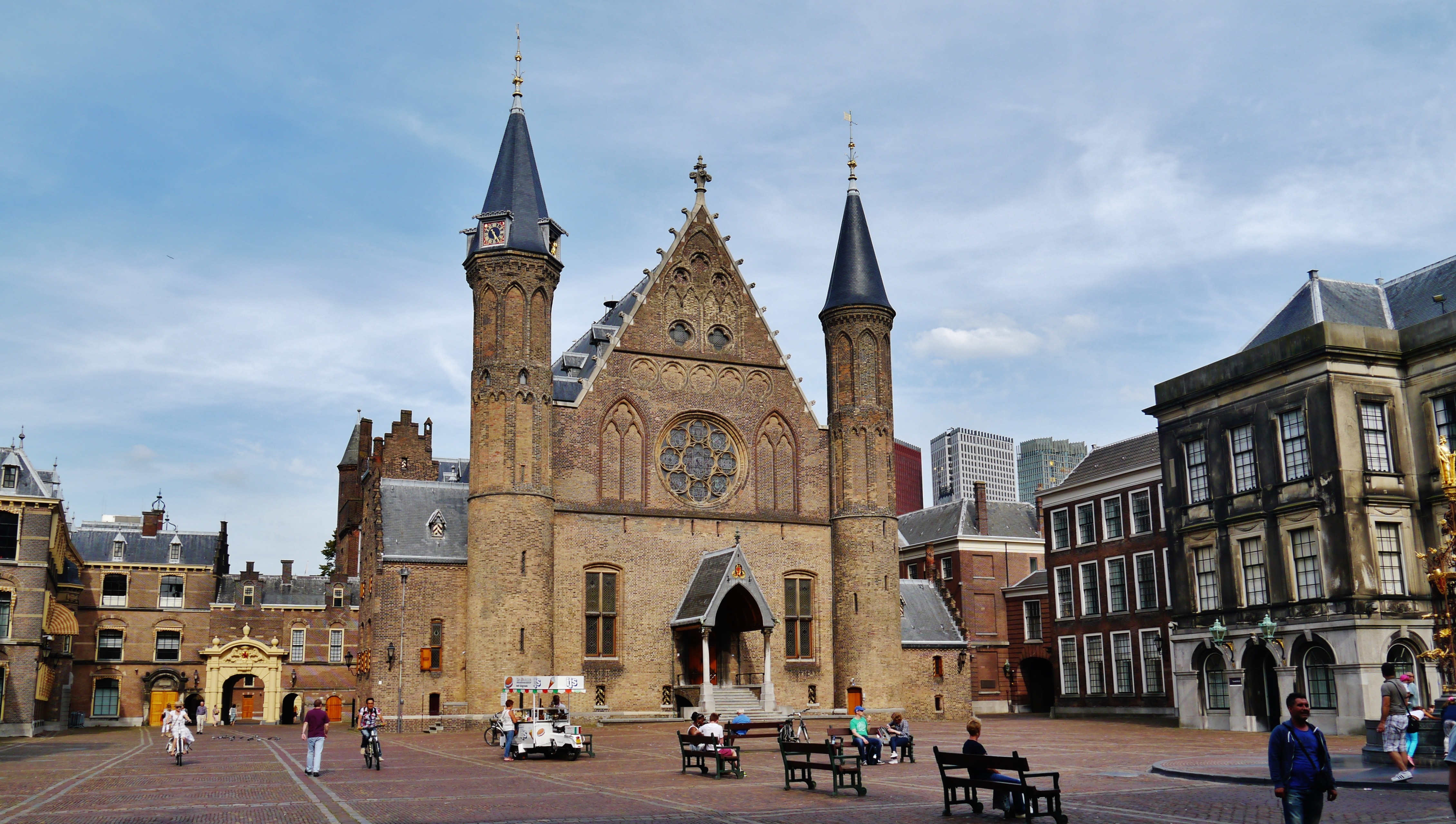
The first Congress brought federalists and supporters of cooperation between states to a compromise. Its legacy included the Council of Europe, founded in 1949, and inspiration for institutions and initiatives including the College of Europe, European Movement International and the European Convention on Human Rights. The push for unity continued with the 1950 Schuman Declaration and, decades later, the Lisbon Treaty, which took effect in 2009.
Since then, efforts to deepen integration have run into disputes over national sovereignty and identity. The EU has not had a major treaty revision since 2009. IE University political scientist Catherine De Vries, author of How Europe Survives, argues that the Union has developed through “much messier ways” than a steady march toward closer integration. Cooperation, she said, can strengthen member states’ ability to address issues such as migration and border security; more federalism is not necessarily the answer.
Past attempts to unlock reform—including Jean-Claude Juncker’s white paper on Europe’s future, the Conference on the Future of Europe and reports by Mario Draghi and Enrico Letta—have made little headway. The conference, held across the EU in 2021 and 2022, drew more than 700,000 citizens and produced 49 proposals. Among the proposed changes were qualified majority voting in some foreign-policy decisions, new legislative powers for Parliament and a role for it in nominating the Commission president. Parliament backed a convention to revise the treaties, but the proposal still requires member-state support in the Council.
Participants and lawmakers disagree over the cause of the deadlock. Conference participant Fassoulas said the process was “broken from the very start,” citing a lack of clear aims and political backing. Renew MEP Raquel García Hermida-Van Der Walle urged the Council to engage with Parliament’s proposal. By contrast, ECR MEP Charlie Wiemers said a debate on Europe’s future should begin with returning powers to member states and preserving the veto. Rodrigo Ballester of Mathias Corvinus College proposed a flexible, “Europe á la carte,” allowing countries to cooperate on different policies at different levels. De Vries said targeted changes within existing EU law, including enhanced cooperation among at least nine countries under Article 20 of the Treaty on European Union, could be more effective.
The proposed 2027 Congress has also prompted questions about who will shape it. Pro-European groups want a citizens-led process that can press governments to act; former MEP Richard Corbett warns that the initiative appears elite-driven. European Movement International said it sent von der Leyen a concept note earlier this year and has received no response. A Commission spokesperson said the congress remains planned for the first half of 2027 and will allow Europe’s youth to “write their own chapter in our history.”
Supporters say meaningful participation and a commitment from governments to consider treaty change would lend the event legitimacy. But implementation has lagged even for less sweeping proposals: according to the Draghi Index, just 16% of Draghi’s 383 recommendations have been strictly implemented. The central question, as in 1948, is whether political leaders will match their ambitions for Europe with action.
Comments (0)
No comments yet. Be the first!