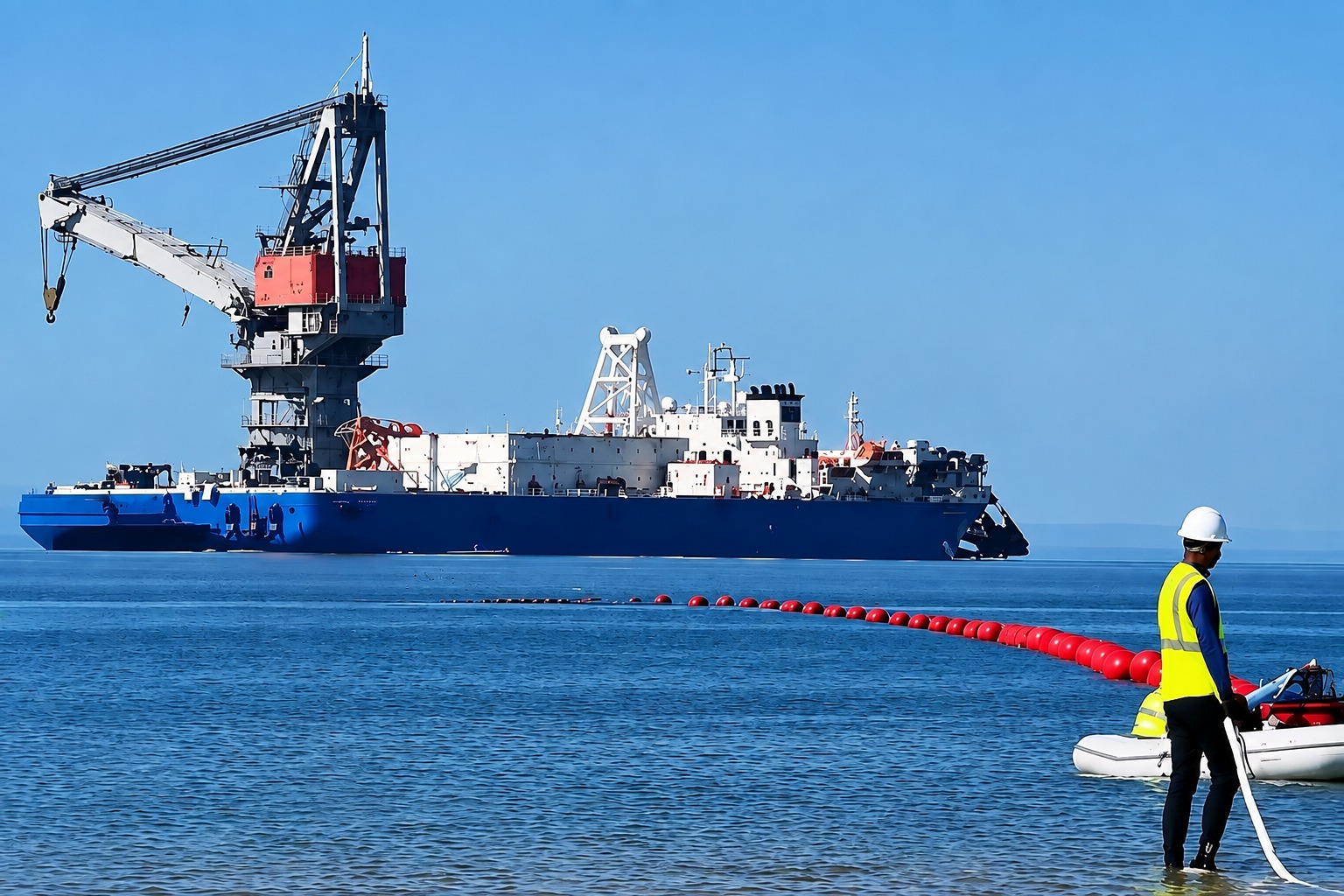
While Kazakhtelecom and AzerTelecom funded the project, full operational status is slated for 2027. The European Union now has a narrow window to integrate this infrastructure into its broader connectivity strategy. Rather than viewing the cable as a geopolitical lever, the European Commission should utilize its Connectivity Agenda Platform to facilitate a practical pilot program. By involving research networks like GÉANT, the EU could pressure operators to formalize pricing, service-level agreements, and accountability protocols that are currently missing.
Moving data from Aktau to Frankfurt requires seamless coordination across multiple jurisdictions, including Georgia’s transit network. A trial would expose gaps in the chain—whether they are technical, financial, or related to market demand. Members of the European Parliament’s industry and foreign affairs committees have the leverage to demand transparency on these test results, ensuring that future Global Gateway investments are grounded in proven performance rather than optimism. Success depends on transforming this localized infrastructure into a reliable, end-to-end service for European and Central Asian users.
Comments (0)
No comments yet. Be the first!