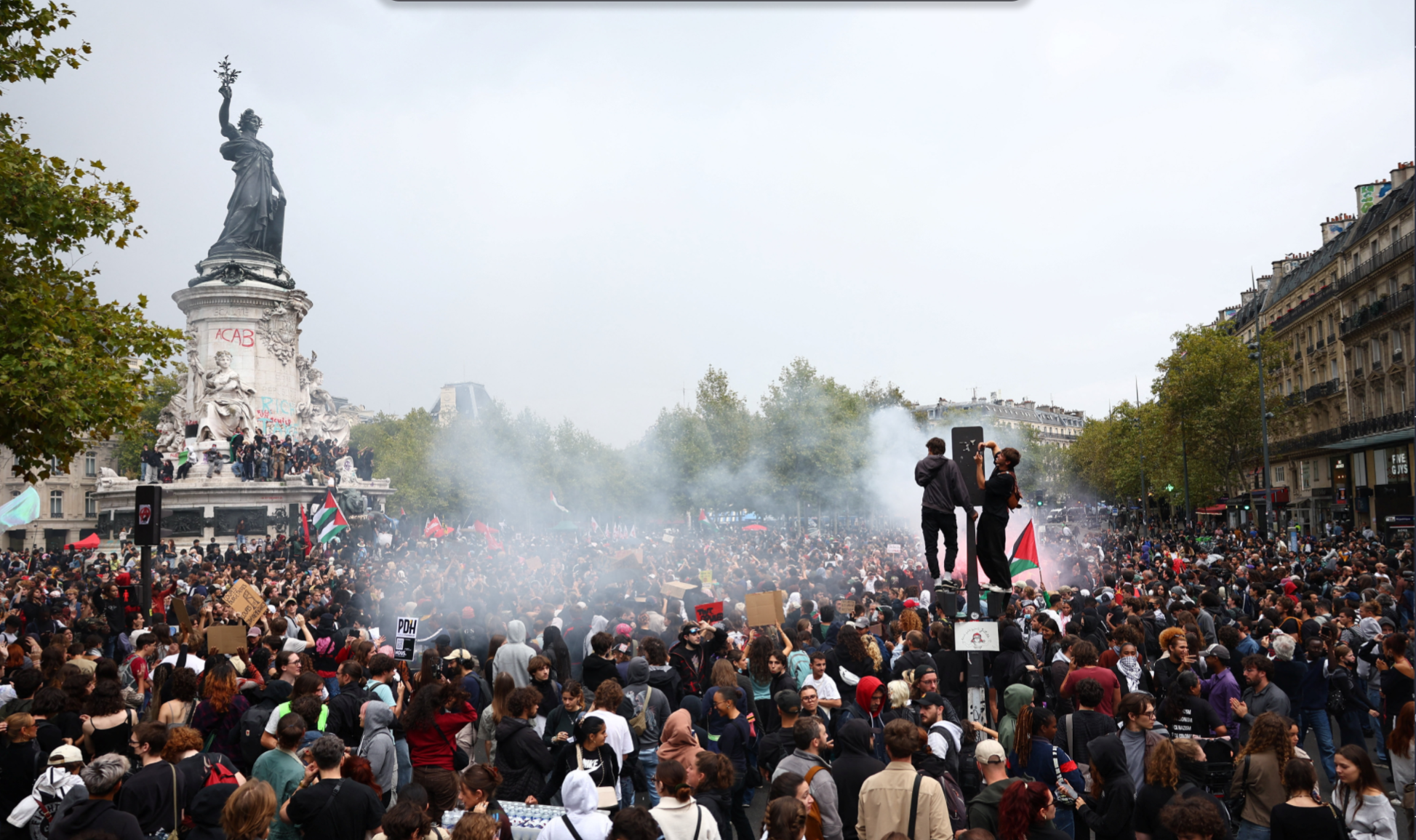
The movement began in mid-September at the Lycée Saint-Exupéry in Créteil, where students blockaded their school to protest deteriorating conditions. What started as localized frustration over staff shortages and inadequate facilities has since expanded across 40 cities, drawing in trade unions and families weary of rising inequality. While the government officially allocates 5.1% of its GDP to education, students like 23-year-old Coralie report classrooms without heating and a lack of basic resources.
President Emmanuel Macron initially responded with a televised address focusing on the violence and looting that marred the October 17 demonstrations, which resulted in nearly 1,000 injured police officers and widespread property damage. He later attributed the economic turmoil to external factors, specifically the closure of the Strait of Hormuz. Protesters, however, dismiss these explanations as evasive. Edgar Degroodt, an engineering researcher, noted that the government’s refusal to engage in meaningful dialogue has only fueled the resolve of the demonstrators. Although Macron recently met with student representatives and promised to increase teacher hiring and reform the Parcoursup admission system, the political implications remain volatile. With a presidential election looming in six months, the movement highlights a deepening divide that neither the far-left nor the far-right has yet managed to fully capitalize on at the ballot box.
Comments (0)
No comments yet. Be the first!