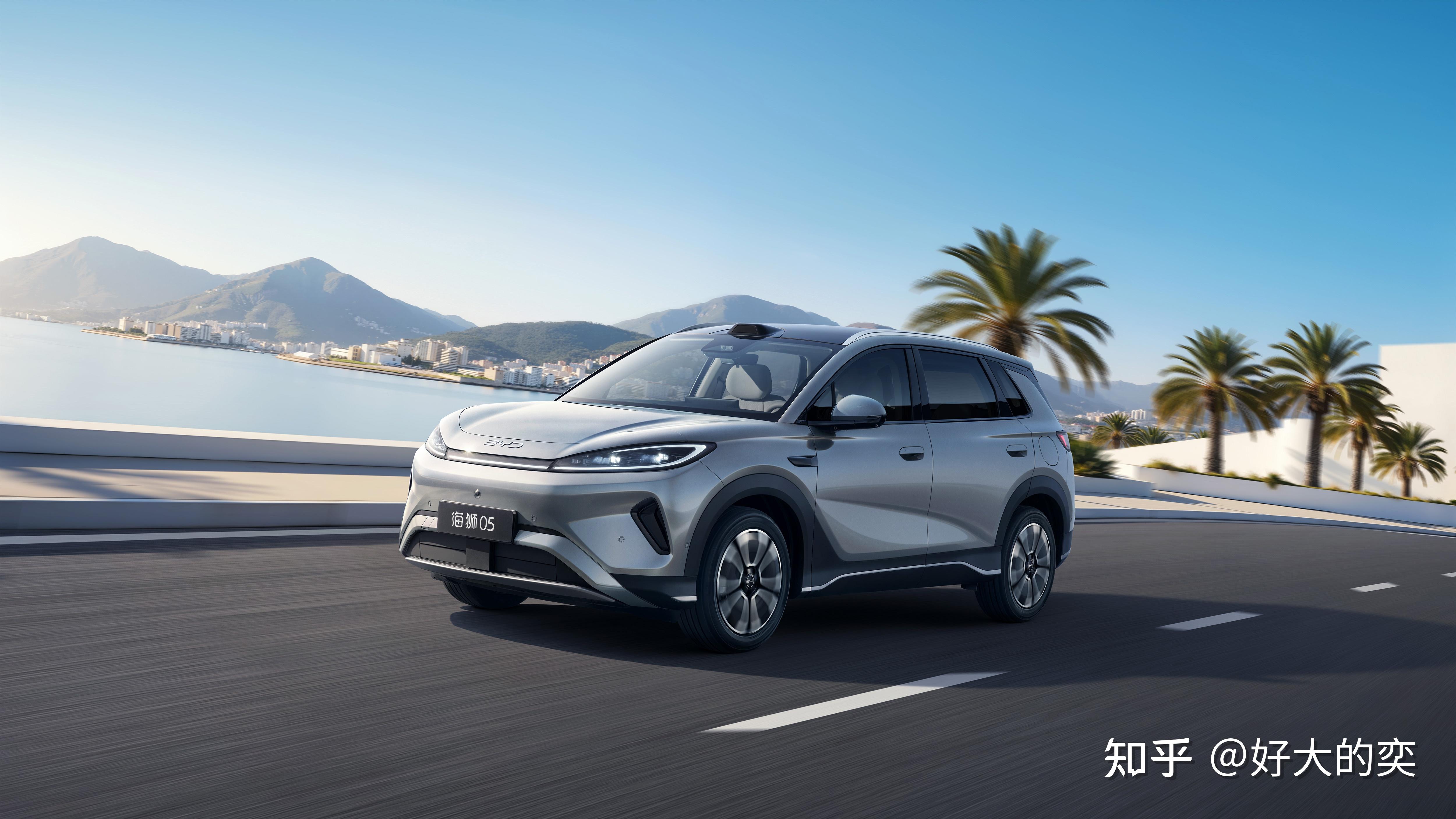
The strategy involves leveraging existing, underutilized European plants, allowing Chinese firms to bypass high labor costs while utilizing established distribution networks. Partnerships, such as the one between Stellantis and Leapmotor, or ongoing negotiations involving Dongfeng at the Rennes La Janais plant, provide a lifeline for European factories facing closure. These collaborations help European manufacturers meet mandatory CO2 emission targets, yet they simultaneously invite intense competitive pressure that could mirror the 2010 acquisition of Volvo by Geely.
While German automakers have historically resisted opening domestic production lines to Chinese rivals—preferring to maintain their own operations in China—the landscape is shifting. As domestic plants like Volkswagen’s Dresden site face closure, the German industry is increasingly vocal about the need for protectionist measures. This mounting tension is fueling a broader debate in Brussels over economic dependence on China, extending beyond the automotive sector into critical materials. As EU leaders prepare to discuss a new diversification tool, the prospect of a formal trade war looms over the continent’s industrial policy.
Comments (0)
No comments yet. Be the first!