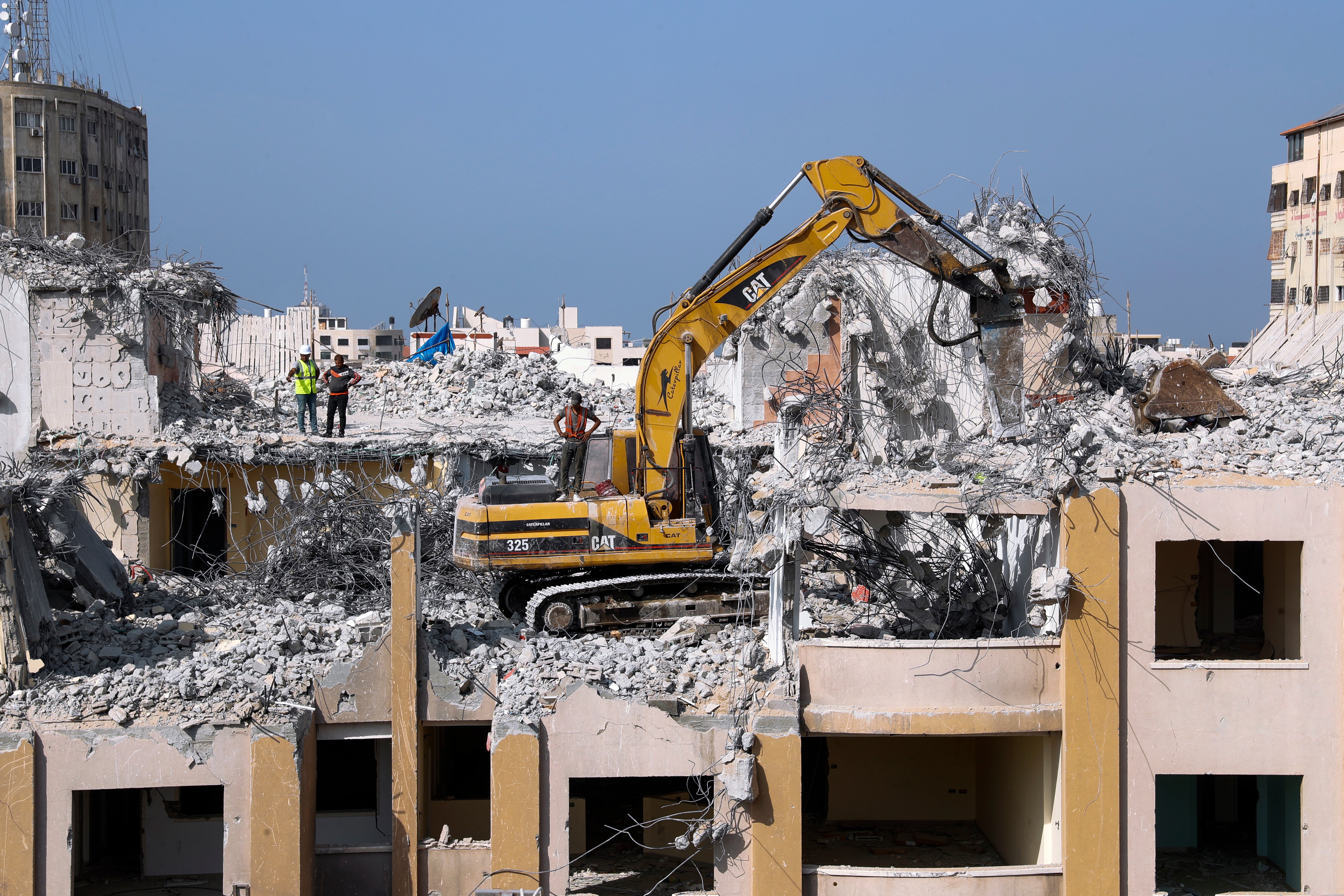
The scale of the tragedy is quantified by UNICEF, which reports that at least one child per day has been killed in the enclave even after the onset of ceasefire discussions. These deaths occur in homes, hospitals, and designated shelters, signaling a collapse of the basic protections normally afforded to civilians under international law. Despite this, EU member states continue to authorize arms transfers to Israel, a policy that sits in direct contradiction to their own commitments under the UN Convention on the Rights of the Child.
This discrepancy in response points to a deeper moral hierarchy. In contrast to the personalized advocacy seen in the case of Ukrainian children, Palestinian youth are frequently subjected to a process of political "unchilding." Scholar Nadera Shalhoub-Kevorkian notes that these children are often framed as demographic threats rather than individuals, a perception that complicates their right to protection. Media coverage further reinforces this by relying on emotive language to describe Israeli suffering while frequently adopting official IDF narratives regarding Gaza.
While political leaders and legacy media outlets maintain a distance, grassroots efforts like those by EU Staff for Peace attempt to restore humanity to the victims. By reading the names of the deceased in front of European institutions, these activists highlight the sheer volume of loss; during one recent vigil, it took a full hour just to recite the names of Palestinian babies under one year old. The case of five-year-old Hind Rajab, killed in January 2024 with no subsequent accountability, remains a harrowing symbol of a system that has normalized the deaths of thousands.
Comments (0)
No comments yet. Be the first!