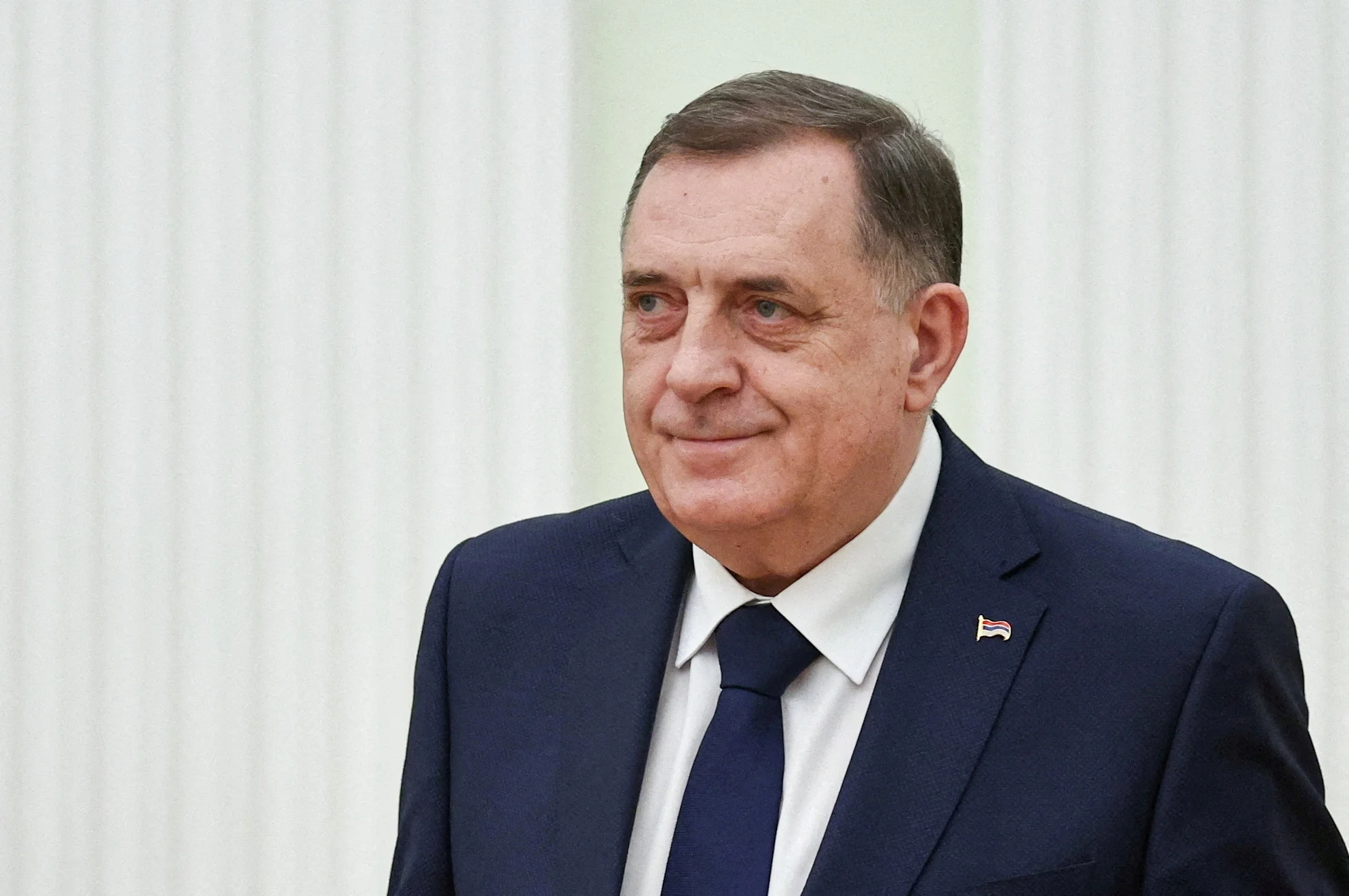
The victory for Dodik, who has long championed closer ties with Moscow and the incoming U.S. administration, arrives at a critical juncture for Brussels. With the EU currently evaluating expansion roadmaps, political analysts warn that the return of a figure who frequently defies international oversight will make the essential judicial and democratic reforms required for accession nearly impossible to achieve. Vedran Džihić, a political scientist at the University of Vienna, described the outcome as a direct rebuke to the bloc's influence in the Western Balkans.
Dodik’s political resilience remains a point of contention. Despite a recent criminal conviction for defying the High Representative and long-standing corruption allegations, he continues to dominate the political landscape in Republika Srpska. His campaign successfully leveraged anti-EU rhetoric and nationalist grievances, even as voter turnout plummeted to a historic low of 42%. This record-breaking apathy underscores a growing disillusionment among citizens who see the same entrenched political establishment cycling through power for three decades.
While the EU remains the country's largest financial donor, providing significant grants conditioned on reform, the prospect of further integration appears increasingly unlikely. Dimitar Keranov of the German Marshall Fund notes that the immediate risk is not necessarily an overnight secession, but a sustained, four-year erosion of central state institutions from within. As the new government takes shape, the focus will shift to whether the coalition can move beyond obstructionism to meet the basic governance benchmarks that have languished since 2016.
Comments (0)
No comments yet. Be the first!