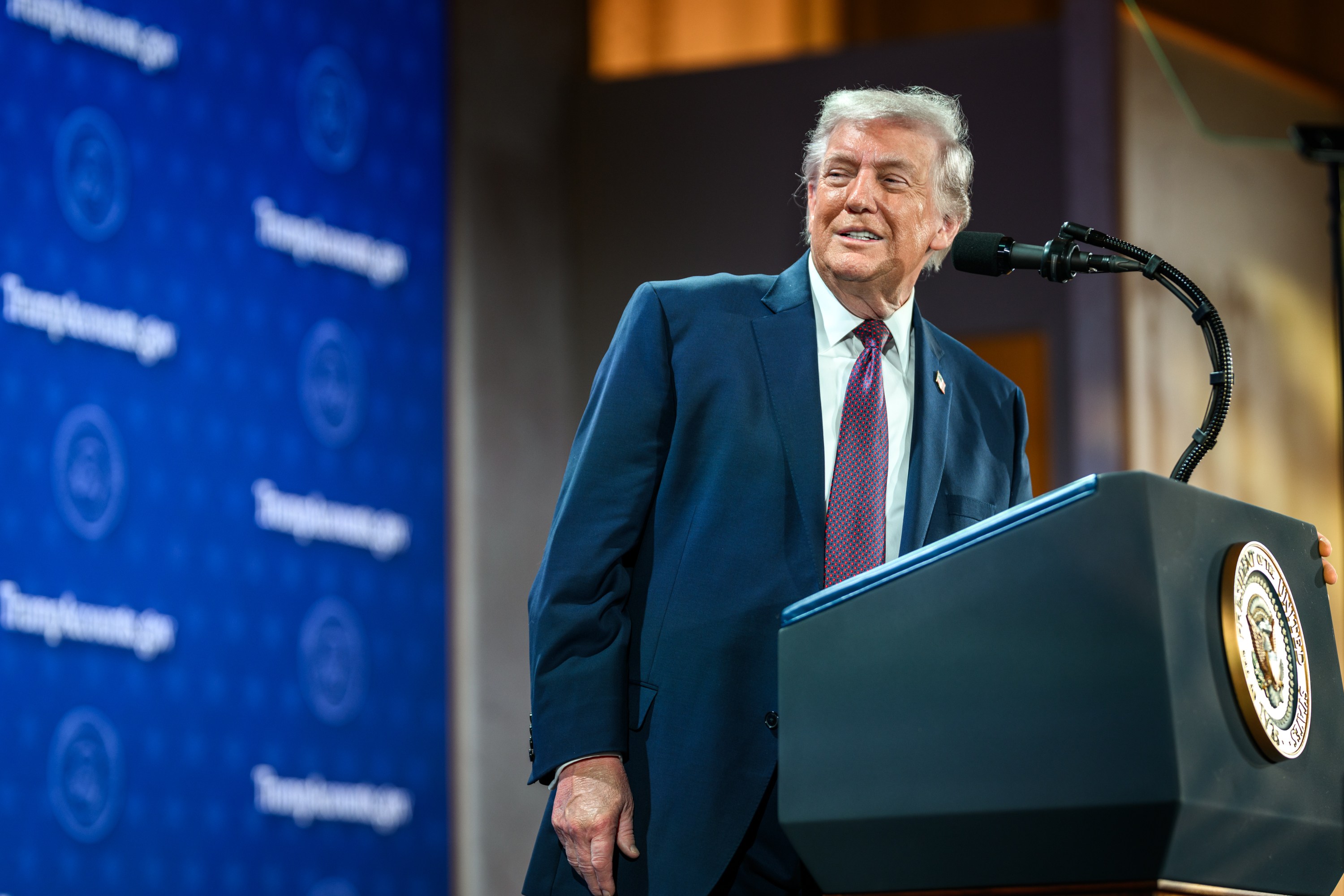
The White House Accord on Super Intelligence, unveiled on September 29, includes pledges from OpenAI, Anthropic, Google, Meta, SpaceX, and Nvidia. These companies have committed to implementing safety protocols, detecting technical flaws, and submitting to independent auditing. While these promises mirror the EU's Code of Practice for general-purpose AI, the structural differences remain stark. In Europe, the Code of Practice serves as a practical compliance checklist for the legally binding AI Act, whereas the U.S. framework operates in a vacuum of federal regulation.
Critics argue that the U.S. approach lacks the teeth required to enforce accountability. Unlike the European model, which integrates voluntary measures into a broader legislative architecture, the American pact relies entirely on the goodwill of the companies involved. Trump has consistently maintained that stringent rules stifle innovation, advocating for a minimally restrictive environment. Although the White House document suggests that these voluntary steps could eventually be codified into law, current policy remains firmly rooted in the preference for corporate autonomy over government oversight.
Comments (0)
No comments yet. Be the first!