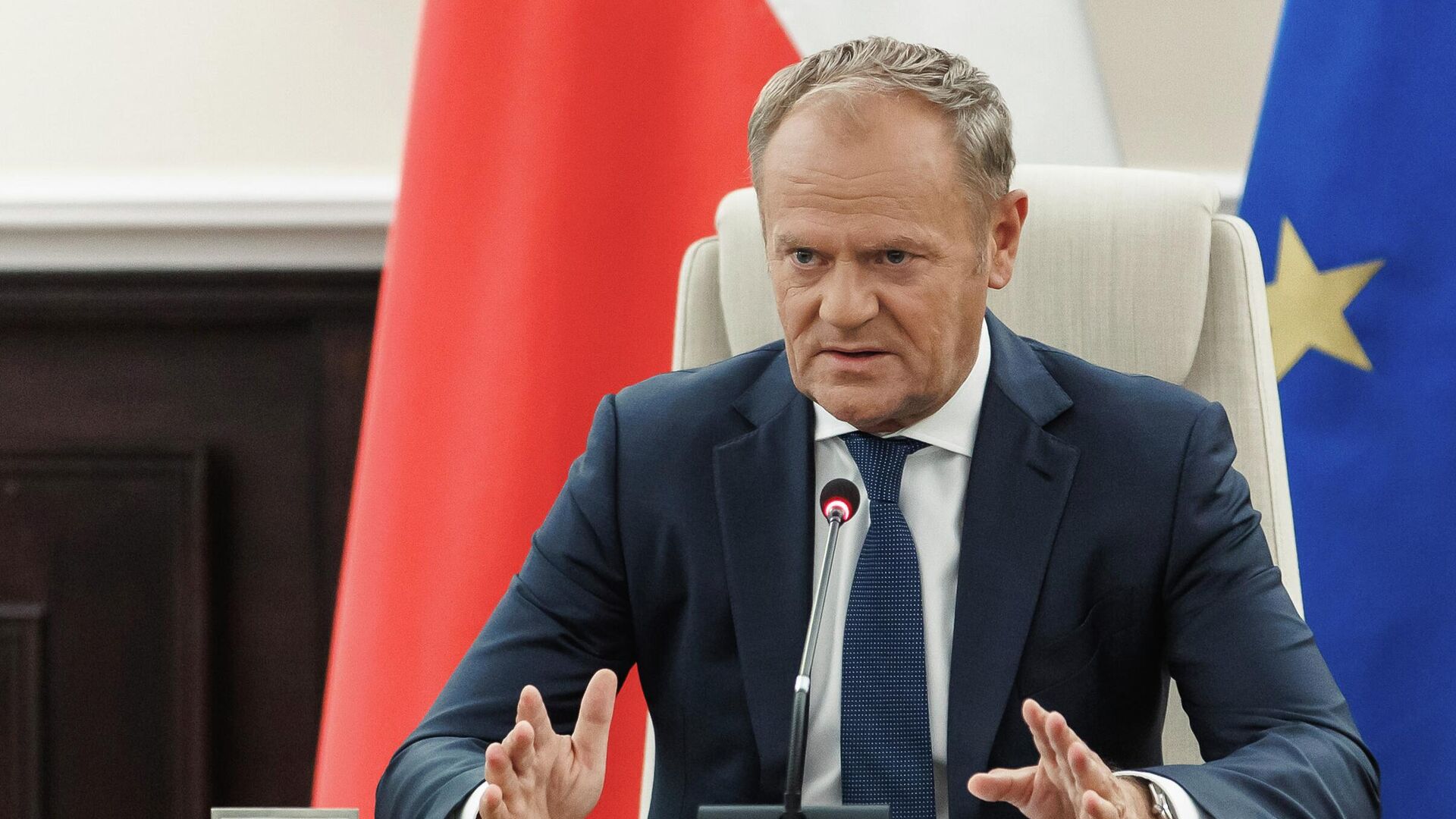
The wave of anxiety follows a series of incidents across Europe, including a drone discovery at Leipzig/Halle Airport and arson attempts in Munich and Slovakia. Polish Prime Minister Donald Tusk and Czech intelligence chief Michal Koudelka have both pointed to Russian hybrid activity as an imminent threat, with Polish Foreign Minister Radosław Sikorski claiming Moscow is preparing something significant this year. These warnings, often mirroring rhetoric from last year, appear intended to signal to the Kremlin that Western intelligence is watching.
However, Marko Mihkelson, chairman of the Estonian parliament’s foreign affairs committee, warns that constant speculation risks creating a false sense of security for nations further from Russia’s border. He argues that Moscow’s primary goal is to paralyze the West through information operations rather than immediate conventional warfare. Military assessments in Estonia and Lithuania corroborate this: Defense Minister Martin Herem reports no significant changes in Russian military posture, and no new infrastructure is being built to support a ground invasion. Deividas Šlekys of Vilnius University suggests the current wave of provocations is designed to sow psychological fear rather than seize territory, marking a shift from the existential dread currently dominating European capitals.
Comments (0)
No comments yet. Be the first!