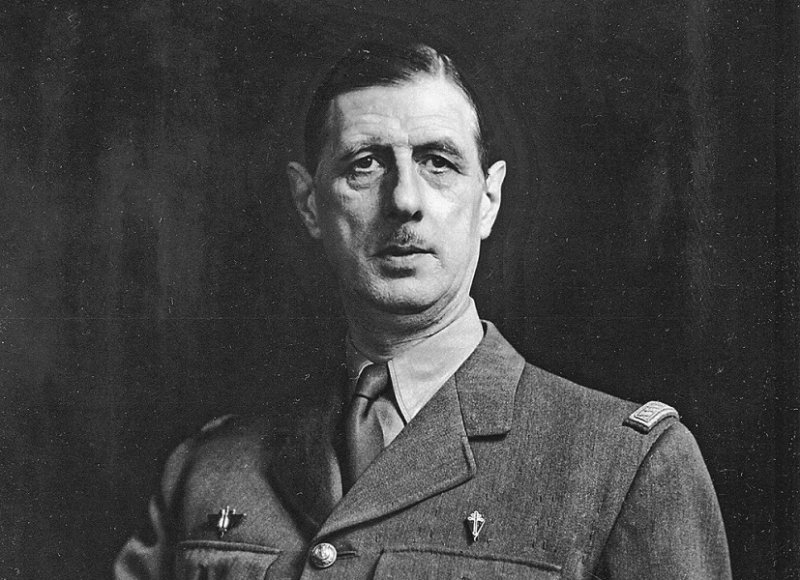
The film, directed by Antonin Baudry, succeeds as a character study, bolstered by Simon Abkarian’s performance as the defiant general and Simon Russell Beale’s turn as Winston Churchill. It vividly portrays the friction between de Gaulle and Franklin Roosevelt, whose administration initially favored the Vichy regime and viewed the 'Free French' as a nuisance. The narrative correctly identifies the American desire to treat post-war France as a temporary administrative zone, a detail that feels uncomfortably relevant in contemporary geopolitical discourse.
However, the film’s triumphant conclusion obscures the darker reality faced by those further east. While Paris celebrated its liberation in 1945, Prague, Warsaw, and Tallinn endured a different fate. In Prague, American forces halted just 80km away, allowing Soviet troops to seize control. In Estonia, the short-lived government of Otto Tief was crushed by Soviet occupation, a tragedy mirrored by the suppression of the Latvian Central Council. These events stand in stark contrast to the film’s optimistic arc, where waiting for vindication takes years rather than the decades of exile endured by Eastern European leaders.
By ignoring the brutal marginalization of non-communist resistance and the cynical power plays that followed the Nazi retreat, the film offers a sanitized version of victory. It captures the spirit of resilience, yet leaves the most uncomfortable chapters of the war’s end to the history books, rather than the screen.
Comments (0)
No comments yet. Be the first!