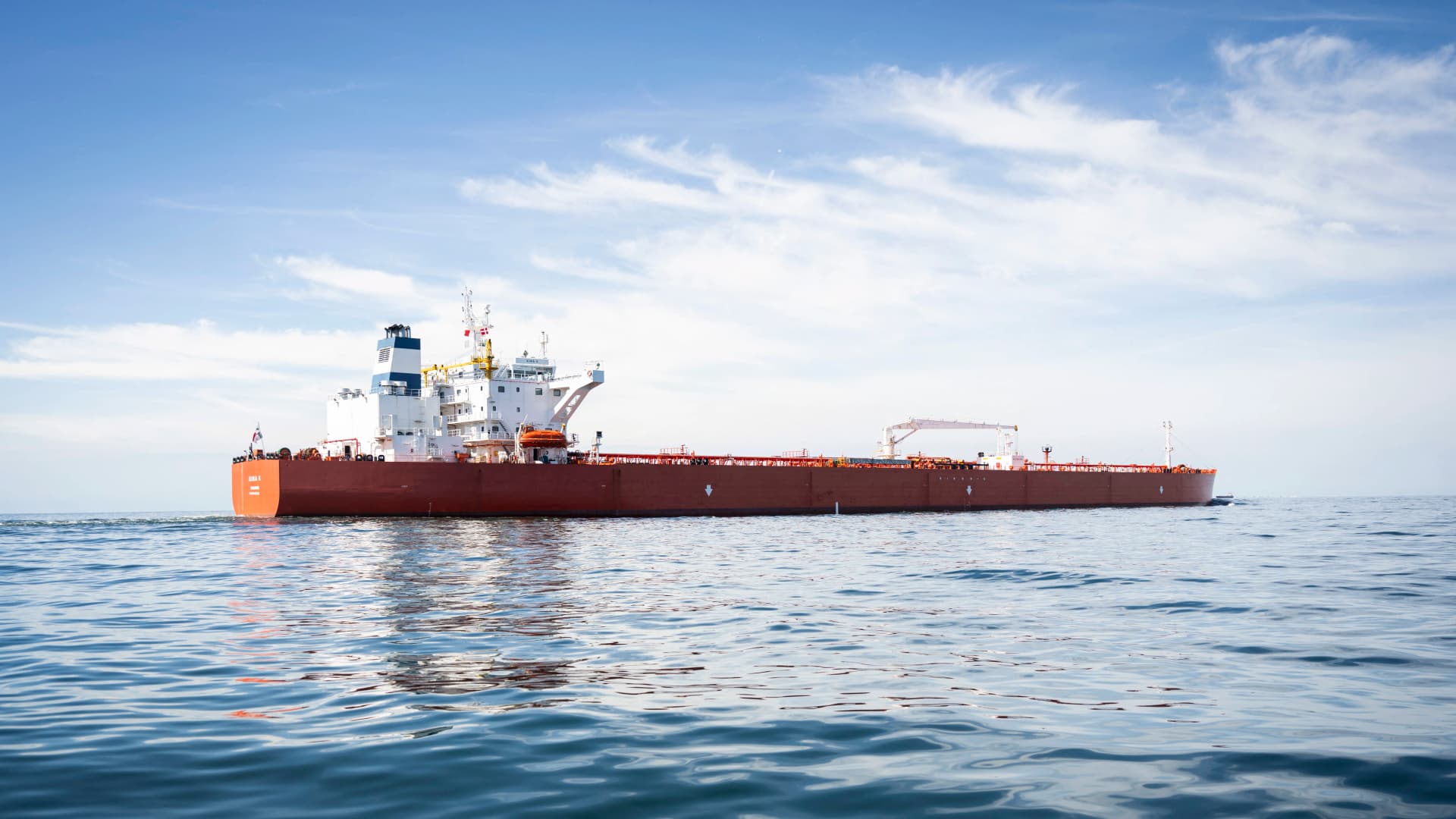
The migration toward Russian registration underscores the limitations of current maritime enforcement. According to the Centre for Research on Energy and Clean Air, 93 of these vessels were already under sanctions, while over half had previously relied on fraudulent flags to mask their activities. This trend follows heightened diplomatic scrutiny on registries in Barbados, Palau, and Panama, which have actively purged sanctioned tonnage to comply with international standards.
Gonzalo Saiz Erausquin of the Royal United Services Institute describes the current landscape as a reactive cycle where enforcement lags behind operator evasion. Even as major registries collaborate through the Registry Information Sharing Compact to track illicit movements, sanctioned ships simply migrate to jurisdictions with lighter oversight or move directly into the Russian registry. The result is a persistent game of whack-a-mole, where vessels abandon vulnerable flag-hopping strategies only to secure a permanent, albeit sanctioned, home under the Russian banner, effectively neutralizing the deterrent effect of registry-based restrictions.
Comments (0)
No comments yet. Be the first!