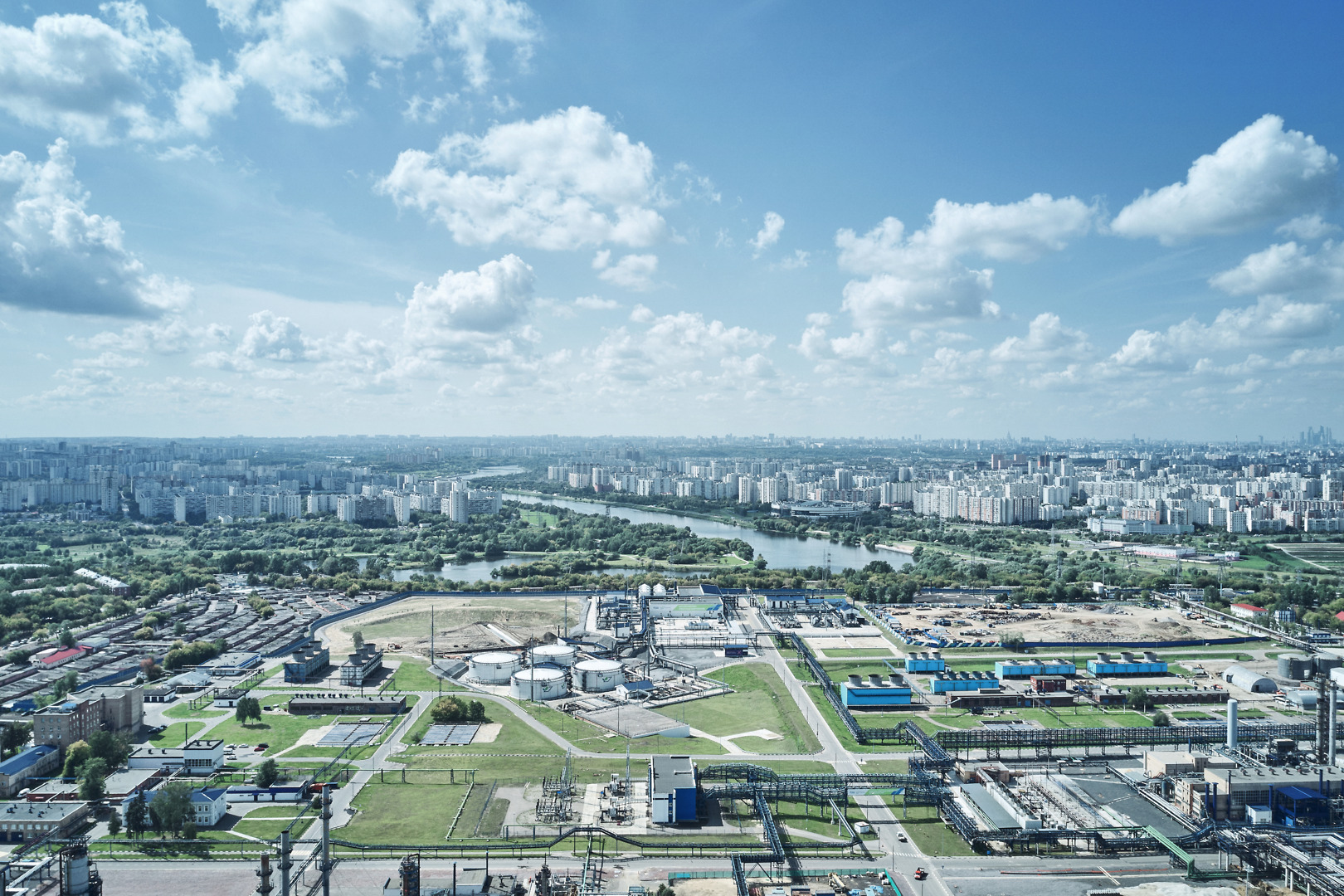
The scale of Sunday’s attack marked a tactical evolution, with waves of decoys preceding main strikes to expose Russian air-defense positions. Analysts estimate that Moscow is protected by roughly 140 air-defense systems, yet the coordinated nature of the assault allowed projectiles to penetrate these defenses. Footage from the scene captured fire rising above the Kapotnya facility, which normally supplies half of the capital’s fuel. Reports from the Ukrainian collective Kiberboroshno indicate that critical primary processing units, specifically the ELOU-AVT-6 and KUPN lines, sustained severe damage.
While Russian sources and French analyst Clément Molin confirmed that air defenses intercepted numerous drones and Flamingo cruise missiles, the sheer volume of the incoming hardware created a significant attrition crisis for Moscow. The cost of a single Pantsir air-defense missile reportedly dwarfs that of the Ukrainian FP-1 drones used in the raid, turning Russia’s defensive posture into a mounting financial burden. Beyond the refinery, the strike has exacerbated Russia’s fuel crisis, pushing petrol prices to record highs and prompting local authorities in regions like Leningrad to impose rationing. This intensity of fire, combined with recent successes in Operation Vivaldi near Lyman, underscores a persistent Ukrainian effort to erode Russian logistical capacity far behind the front lines.
Comments (0)
No comments yet. Be the first!