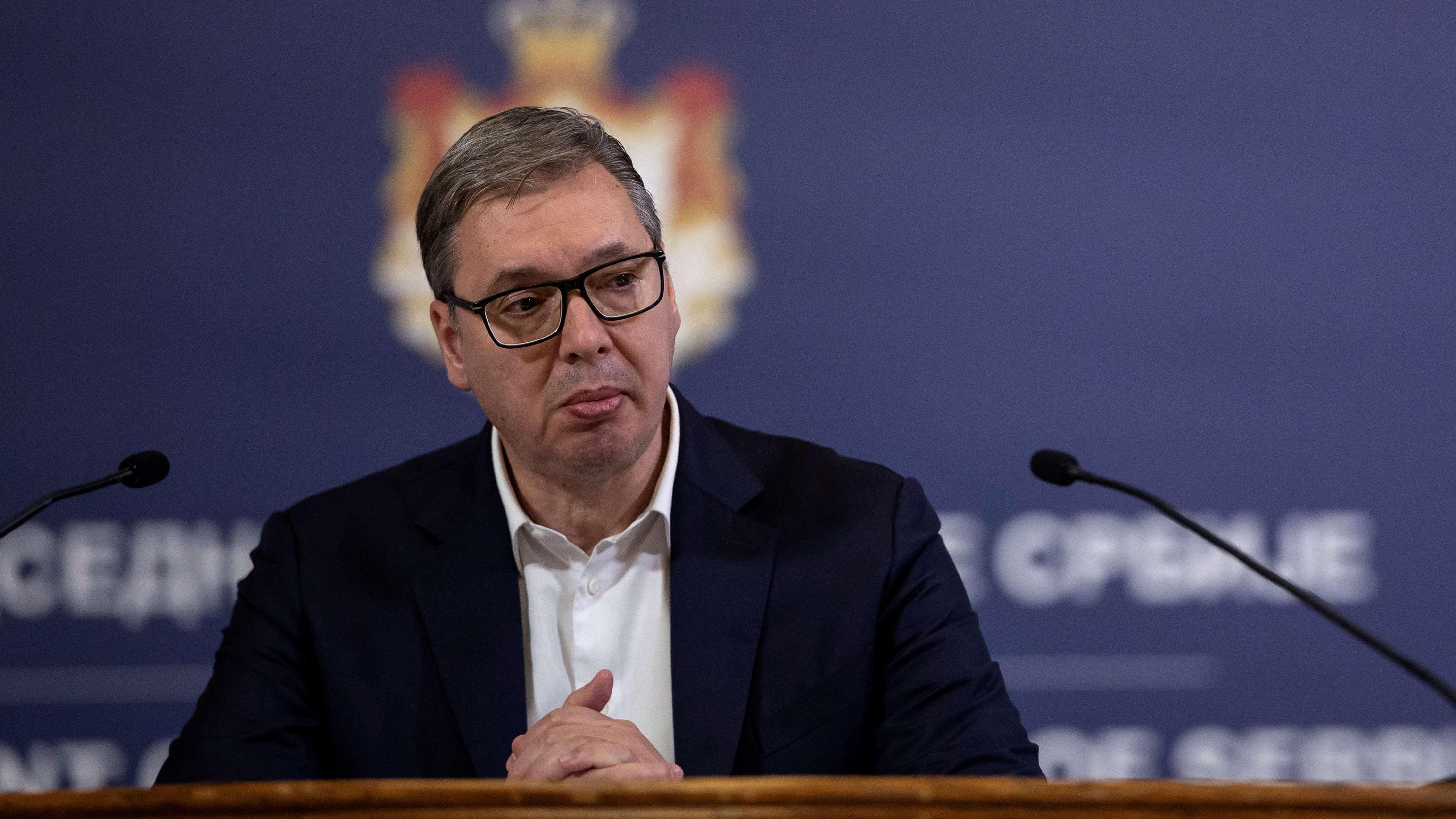
Since Serbia gained candidate status, the EU has opened 22 of 35 accession chapters and granted visa-free travel to millions of citizens. For years, officials in Brussels have rolled out the red carpet for President Aleksandar Vučić, treating his administration as a partner in regional stability. However, the grotesque display of grief for the architect of the Srebrenica genocide suggests that this massive financial and diplomatic investment has failed to curb the country’s nationalist undercurrents.
Prime Minister Albin Kurti once famously described the EU’s strategy as feeding a small octopus to distract it from a larger one. As the nation approaches snap elections in October, the electorate faces a critical juncture. The vote will determine whether the public is prepared to challenge Vučić’s grip on power—much like Hungarian voters attempted with Viktor Orbán—or if they remain tethered to the regressive ideologies that continue to define the current political landscape.
Comments (0)
No comments yet. Be the first!