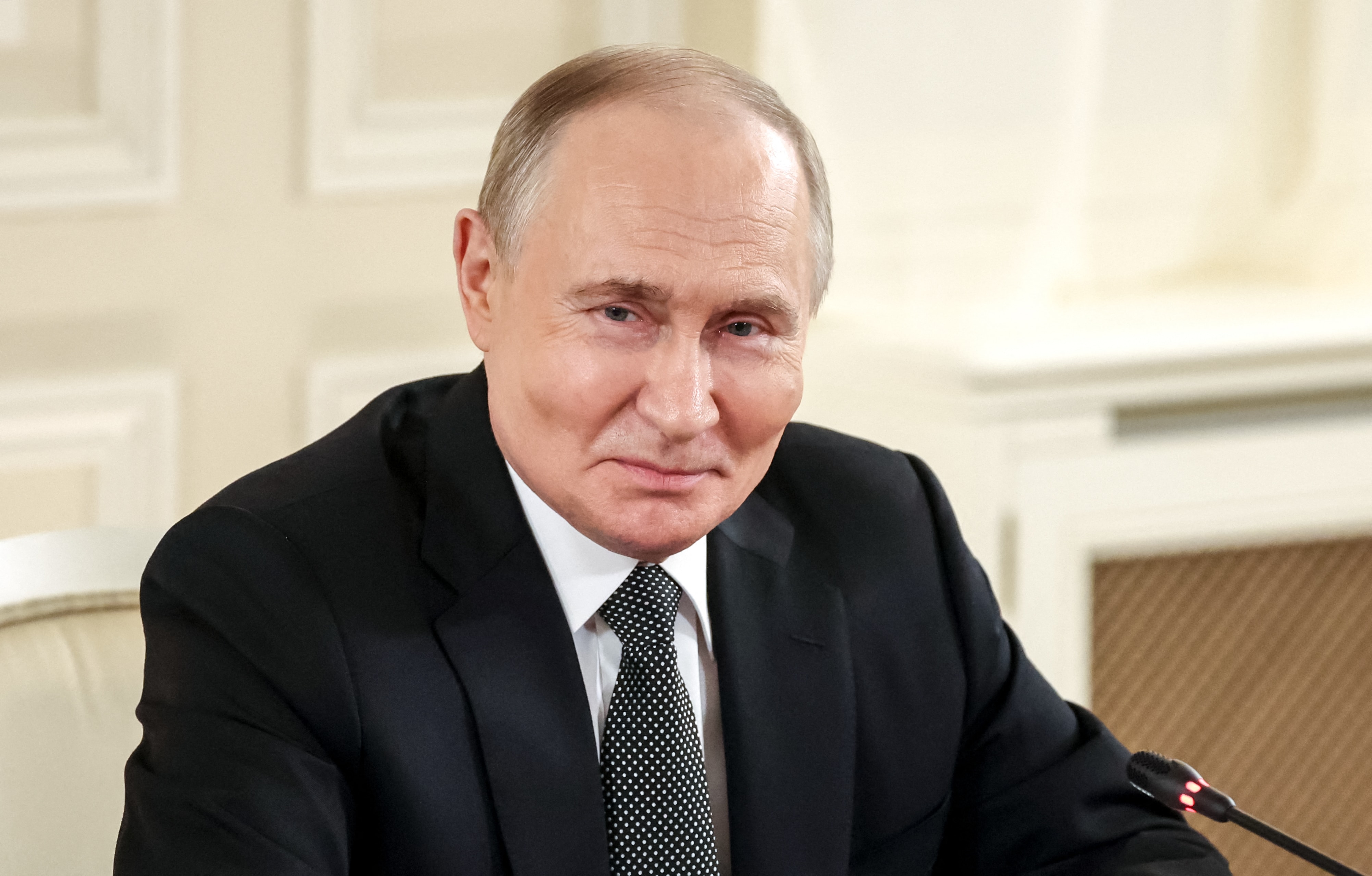
The spectacle of American envoys relying on Russian state resources for their diplomatic logistics is the latest in a series of jarring events that have shifted from shocking to routine. Two recent publications, Luke Harding’s 'Betrayal: Trump, Putin and The New Age of Conquest' and Keir Giles’ 'American Overthrow: Moscow’s Endgame in Its Long War with Washington', attempt to parse the implications of this shift. While Harding examines the deferential nature of Trump’s relationship with the Kremlin, Giles presents a more alarming thesis: that the current administration is actively adopting Russian-style governance.
Giles argues that the fusion of personal greed with political power, the calculated erosion of democratic institutions, and a veneer of phoney patriotism represent a deliberate strategy to consolidate control. While some observers point to the resilience of American electoral guardrails as a sign that the system will self-correct, others warn that these efforts are not temporary. The concern remains that the administration’s focus extends beyond the 2028 election, aiming to cement a lasting grip on power that fundamentally alters the transatlantic alliance and leaves Europe facing a diminished, distracted partner in the face of ongoing aggression.
Comments (0)
No comments yet. Be the first!