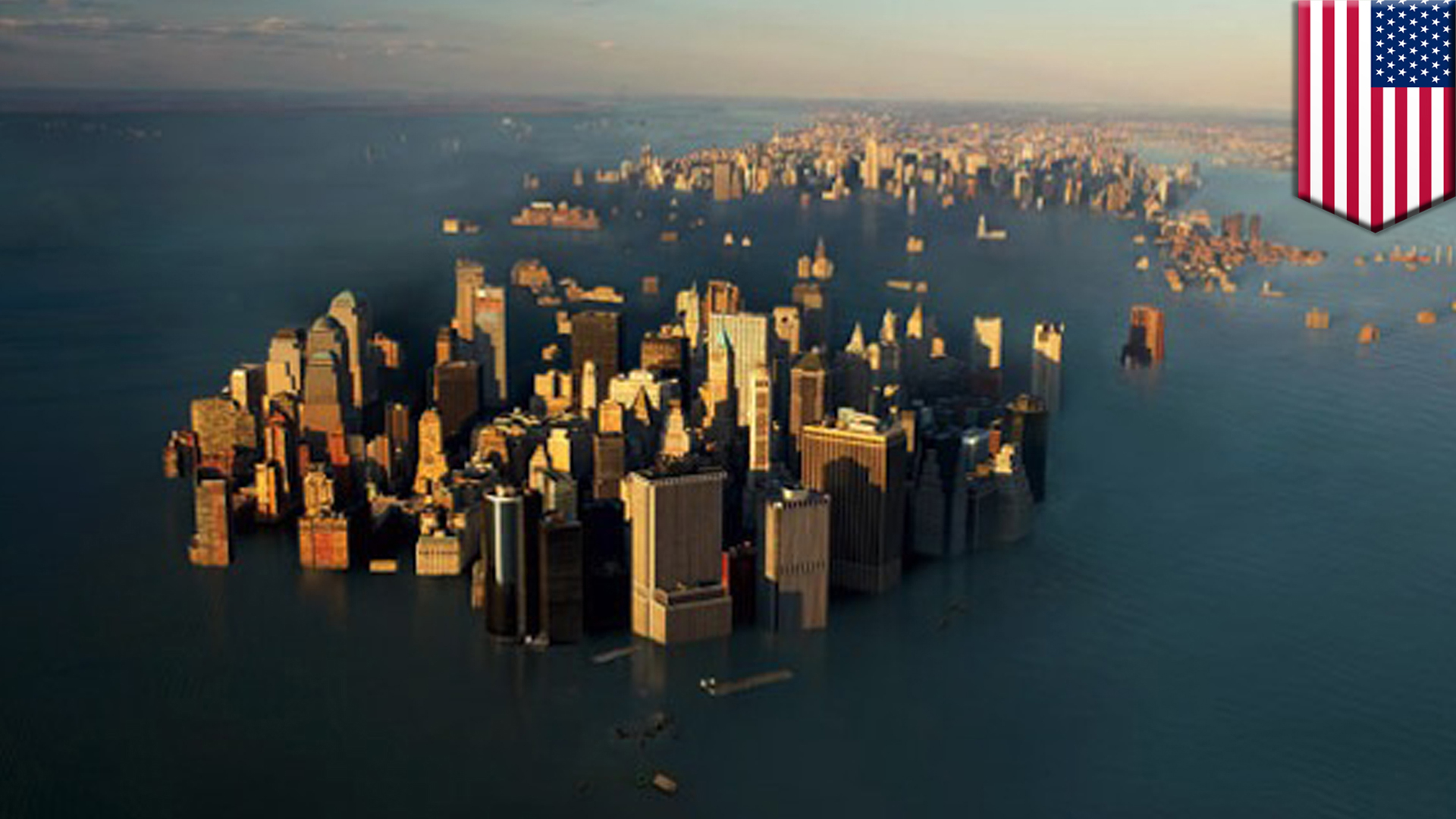
The report highlights that the collapse of living conditions is already underway in small-island nations like Samoa and Barbados. Residents are being displaced by storm surges and rising sea levels long before their territory is fully submerged. This migration pattern is compounded by rapid urbanization, as displaced populations crowd into cities that are ill-equipped to handle the intensifying heatwaves and rising infrastructure costs.
Professor Debra Roberts, a co-author of the study, emphasized that the crisis will sharpen existing global inequalities. The human toll extends beyond geography, threatening to spike energy costs and accelerate the spread of insect-borne diseases. The hardest hit will be the one billion people currently living in informal urban settlements, who lack the resources to adapt to these shifting risks.
While 2024 marked the first year to exceed the 1.5°C threshold, UN scientists now project the world will maintain this mean temperature for a two-decade period. The report argues that nations with the greatest historical responsibility for emissions must lead the push for aggressive mitigation, as the window to avoid permanent damage to vulnerable ecosystems and communities continues to close.
Comments (0)
No comments yet. Be the first!