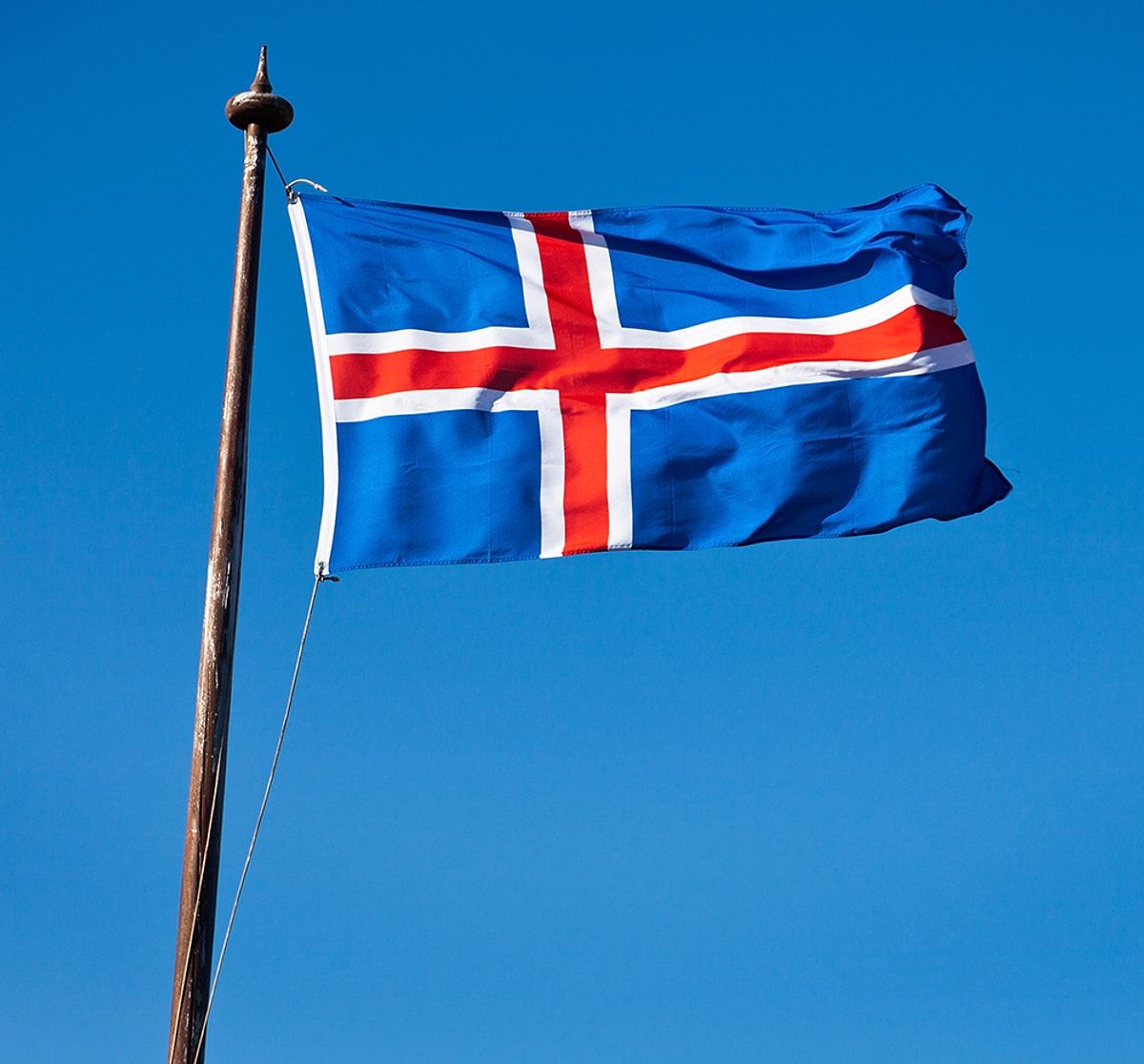
The Icelandic vote, while advisory, functioned as a clear political barometer. It forced a national conversation on fisheries, currency, and sovereignty, echoing similar moments of democratic friction across the continent. From the Greek bailout referendum in 2015 to the British decision to leave the European Union in 2016, and the 2004 Cyprus vote on the Annan Plan, the core issue remains the same: the location of political power when constitutional stakes are high.
These cases illustrate that sovereignty is often tested by the reality of interdependence. In Greece, the 61.31 percent rejection of creditor proposals highlighted how economic pressure can constrain democratic choice, yet the act of voting itself remained a foundational exercise of public will. Similarly, the British Brexit vote proved that while citizens hold the power to change a state's course, they also inherit the long-term consequences of that choice. Cyprus, meanwhile, demonstrated that on matters of territorial security and constitutional structure, external negotiations cannot substitute for the legitimacy provided by the electorate.
Direct democracy grants practical content to popular sovereignty by shifting the decision-making authority from representatives to the citizens themselves. The significance of these referendums does not hinge on the convenience of the result for international institutions or domestic governments. When public choice is honored only when it aligns with elite preferences, the principle of sovereignty becomes merely conditional. Iceland’s recent decision, regardless of its advisory status, serves as a reminder that certain transformative questions belong to those who must live with the outcome, rather than those who simply manage the process.
Comments (0)
No comments yet. Be the first!