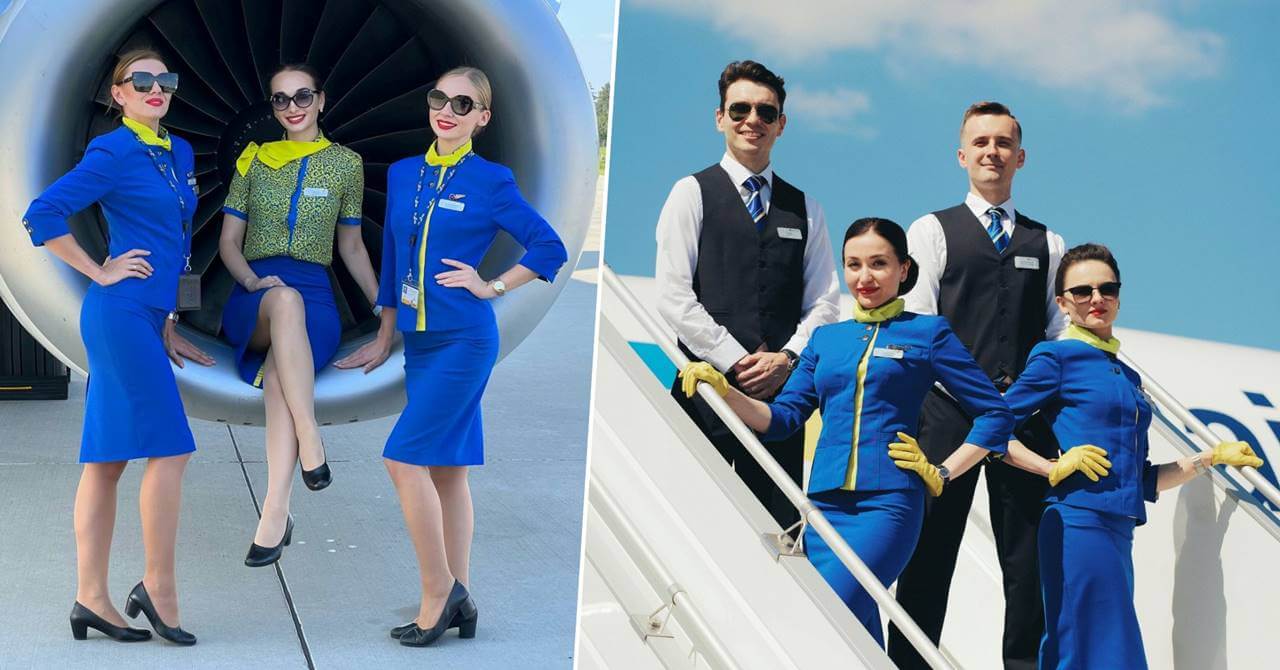
The financial structure of the job was rarely straightforward. Vasylieva’s income relied heavily on time spent in the air, meaning that flight cancellations or delays before pushback often resulted in negligible pay for the day. While international overnights provided a modest per diem—doubled if a delay pushed a return past midnight—her monthly earnings hovered between $1,000 and $1,500. Though this was a competitive wage relative to the Ukrainian average at the time, it paled in comparison to the six-figure salaries often associated with Western carriers.
Beyond the financial uncertainty, the job required navigating a rigid, often exhausting lifestyle. Crew members were frequently forced to share hotel rooms, and standard off-duty travel remained a high-stakes game of standby availability, often leaving staff stranded at gates. Even the perceived luxury of layovers was tempered by the reality of jet lag and the necessity of rest. Behind the scenes, the work was a cycle of constant logistics—from managing complex cabin needs during night flights to adhering to stringent grooming standards that dictated everything from nail color to body weight. Despite the challenges, Vasylieva describes the ability to transform a group of strangers into a cohesive, high-functioning team at altitude as the true, unseen skill of the profession.
Comments (0)
No comments yet. Be the first!