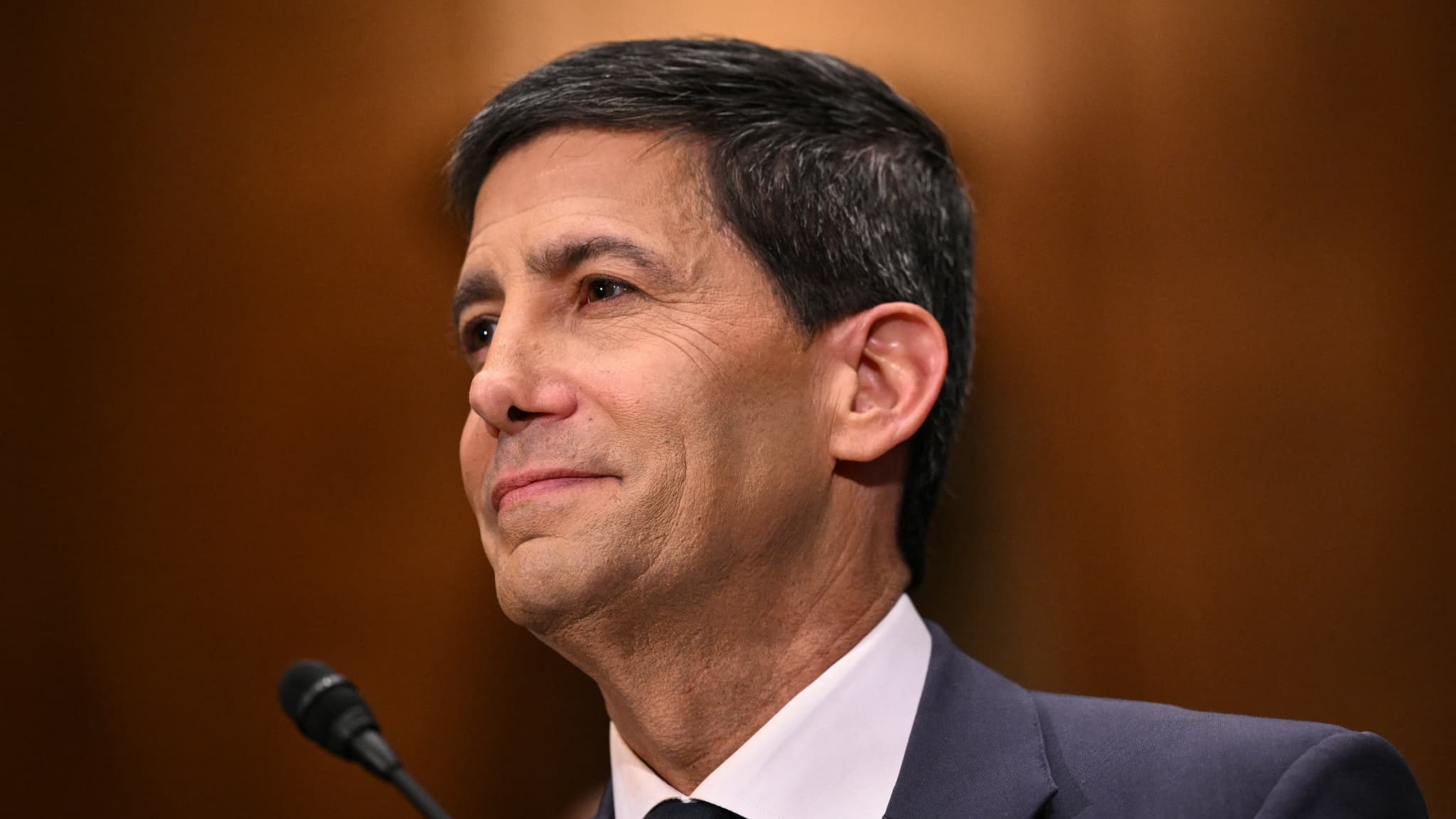
Bessent has signaled an aggressive approach, recently announcing plans to at least double buybacks of longer-dated debt. By intervening to stabilize yields, he aims to ease the economy's interest burden, a move some investors label as price management rather than liquidity control. Hedge-fund manager Stanley Druckenmiller warned that such tactics threaten Treasury’s credibility, arguing that current yield spikes reflect stubborn inflation and fiscal deficits rather than mere market dysfunction.
In contrast, Warsh has long advocated for the Federal Reserve to retreat from its recent habit of heavy market intervention. He maintains that central bank policy should prioritize inflation and employment mandates, leaving bond markets to find their own equilibrium. As Warsh prepares to speak at the Jackson Hole economic forum, investors are watching for signs of how he might handle a divided Fed while balancing the pressure to contain rates against the reality of a sprawling U.S. fiscal deficit.
Analysts note that while buybacks and adjustments to issuance schedules might provide temporary relief, they fail to address the core issue of unsustainable government spending. Strategists at firms like ING and TD Securities suggest that without concrete steps to narrow the deficit, Treasury’s toolkit remains limited. Ultimately, market experts argue that yield volatility is a symptom of fiscal policy, and no amount of technical market plumbing can substitute for the difficult political choices required to stabilize the national debt.
Comments (0)
No comments yet. Be the first!