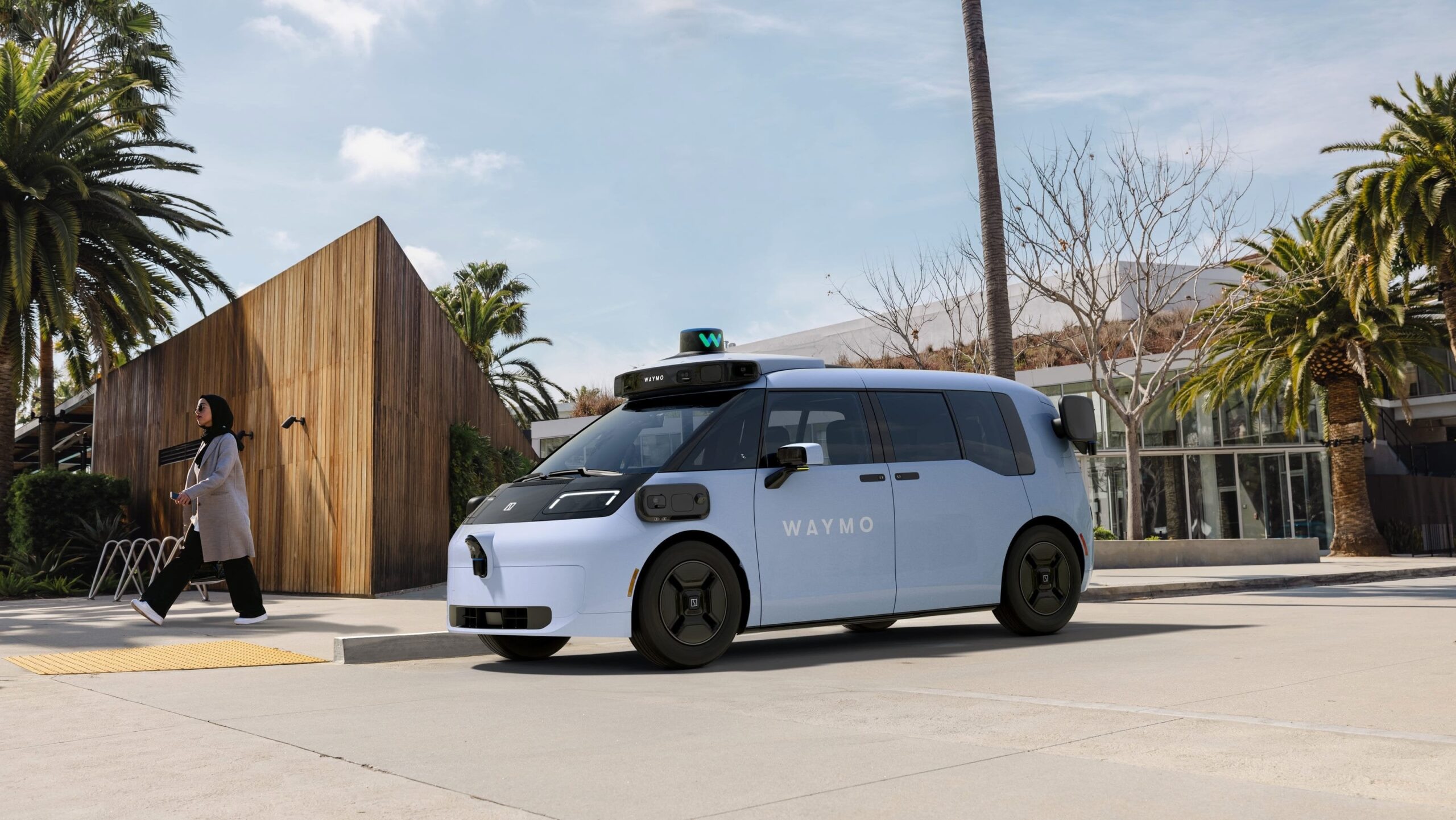
Jonathan Baines, who spent a decade driving for Lyft, now serves as a fleet operations lead at Waymo’s Nashville depot. His new routine involves directing autonomous vehicles through maintenance cycles and judging whether they are fit for the road. While he misses the social rhythm of passenger interactions, Baines sees the move as a transition toward a more resilient career path within the emerging autonomous vehicle industry.
Flexdrive CEO John Parks notes that managing a robotaxi fleet is significantly more labor-intensive than traditional rental models. Because autonomous cars do not stop for sleep or downtime, they can clock up to 100,000 miles a year—nearly triple the mileage of a standard rental. This intensity forces workers to clean, charge, and inspect vehicles multiple times daily, creating a constant demand for human oversight that automation cannot yet replicate. Industry experts suggest this trend reflects a broader evolution in the labor market, where the focus shifts from total job displacement to the granular redesign of tasks. As organizations integrate AI, they find that while machines handle navigation, the physical infrastructure of the ride-hailing economy still requires a human touch to remain operational.
Comments (0)
No comments yet. Be the first!