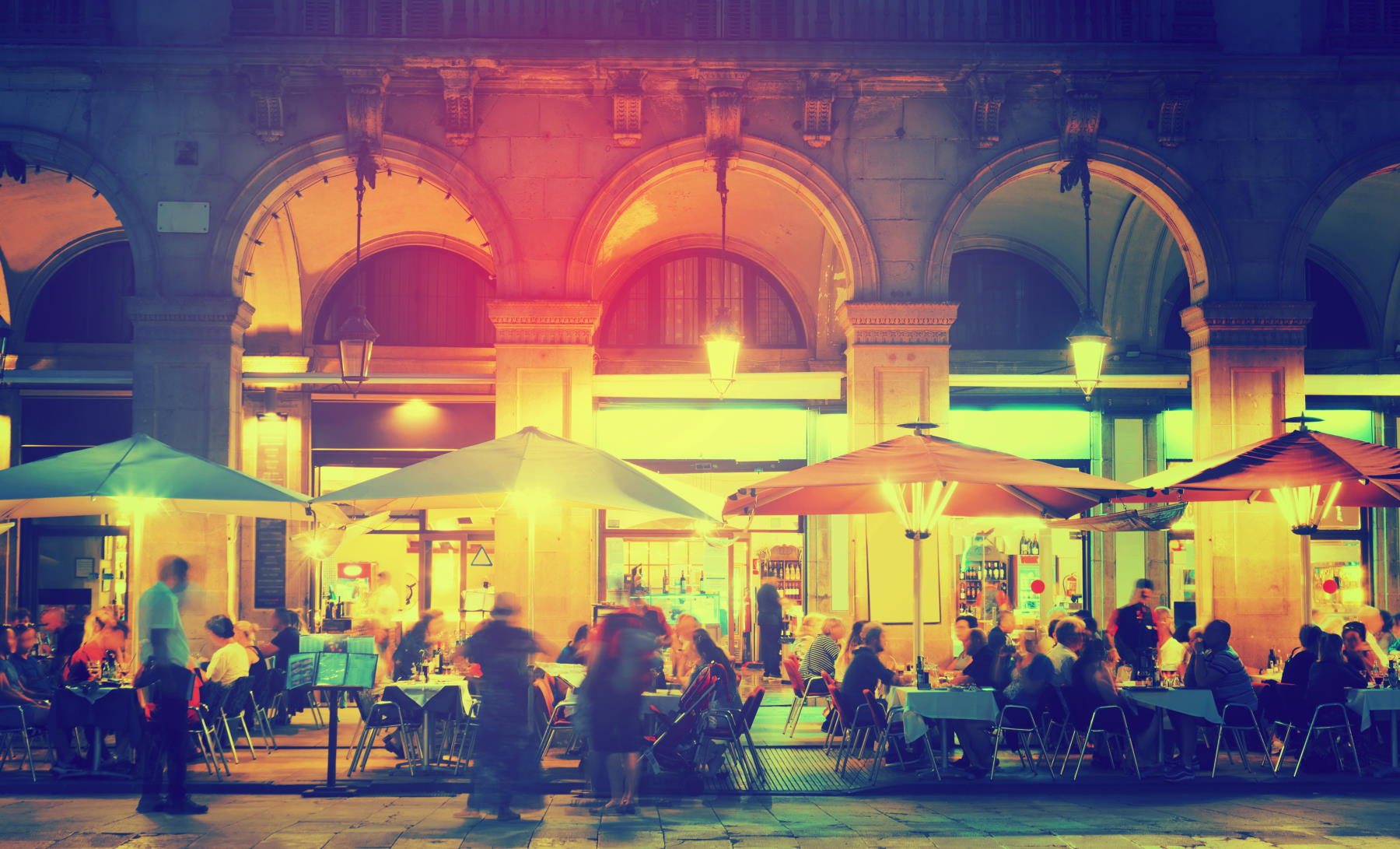
In Warsaw, local council member Aleksandra discovered that mundane civic tasks were quickly eclipsed by the exhaustion of a neighborhood besieged by all-night club culture. Residents, plagued by parties spanning from Thursday to Monday, described a cycle of anxiety that left them dreading the start of each new week. This frustration is not isolated to Poland; it reflects a broader continental shift in how urban centers balance tourism and nightlife against the health of permanent inhabitants.
Cities like Amsterdam and Budapest are actively pushing back against the "party tourism" model, while French coastal towns such as Biarritz seek new regulatory tools to curb late-night chaos. The stakes extend beyond mere annoyance. The World Health Organization now ranks environmental noise as Europe’s second-largest environmental health risk, trailing only air pollution. As municipal governments struggle to keep city centers vibrant, the demand for quiet is forcing a reckoning with the limits of urban nightlife expansion.
Comments (0)
No comments yet. Be the first!