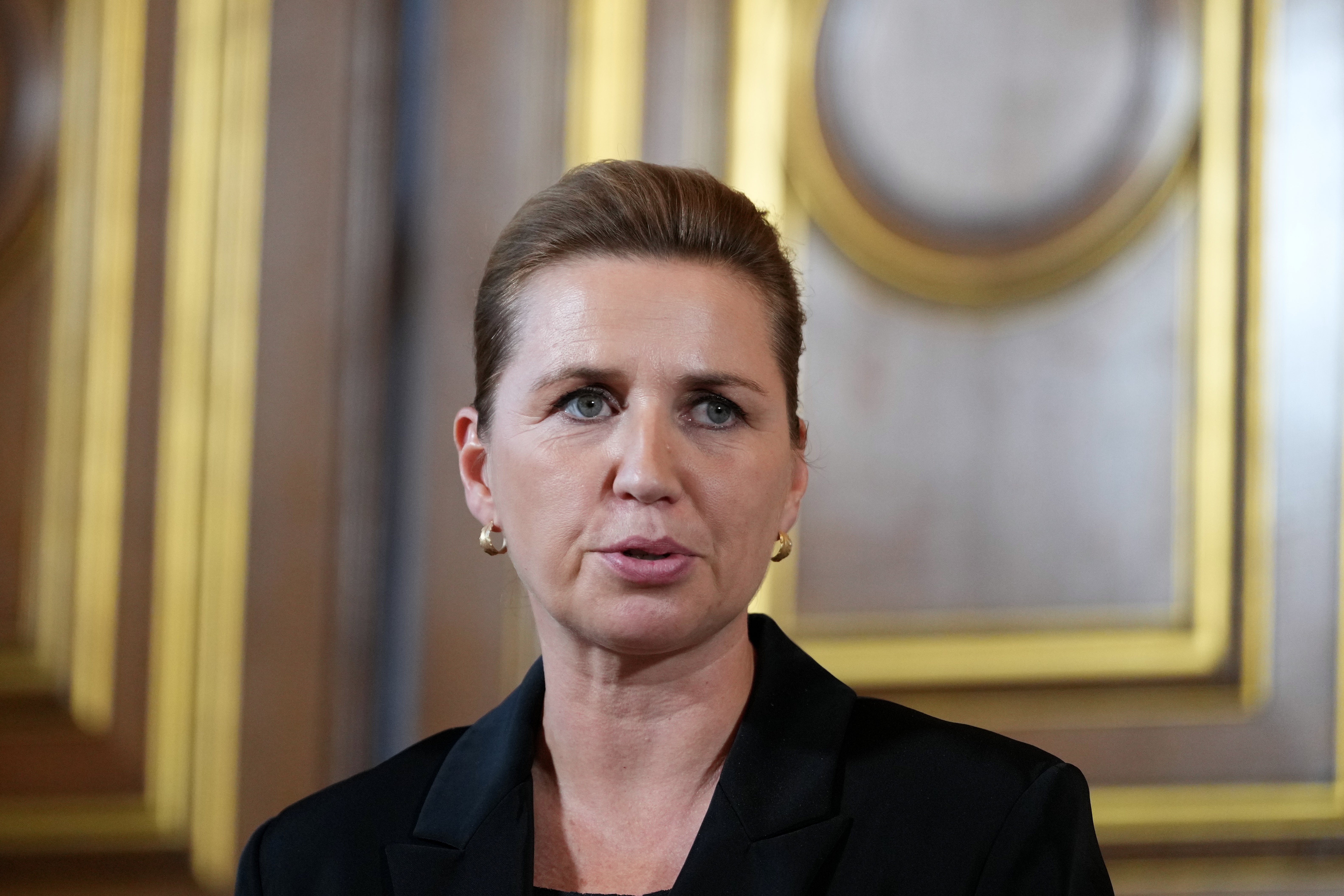
Frederiksen’s political maneuvers follow a difficult election on 24 March, which forced her into a fragile minority-coalition government. Despite her party suffering its worst electoral performance since 1903, the Prime Minister continues to mirror far-right postures. During a recent parliamentary debate, she explicitly linked migration concerns to individuals with an "Islamic background," claiming they reject open European society. This rhetoric arrived even as Danish asylum permits hit a historic low of just 839 last year.
The fixation on migration remains disconnected from reality. When 80,000 people arrived at the Spanish enclave of Ceuta, Frederiksen pushed for severe EU-wide sanctions, including the potential restriction of free movement within the Schengen zone. Yet, not a single person from that group attempted to travel to Denmark. Political scientist Cas Mudde notes that such efforts to ape far-right positions rarely yield electoral gains for centrist parties, functioning instead as a betrayal of traditional left-wing values. With an EU summit scheduled for 16 October, the focus remains on a perceived crisis that contradicts official data showing a 37 percent drop in irregular border crossings throughout the first seven months of 2026.
Comments (0)
No comments yet. Be the first!