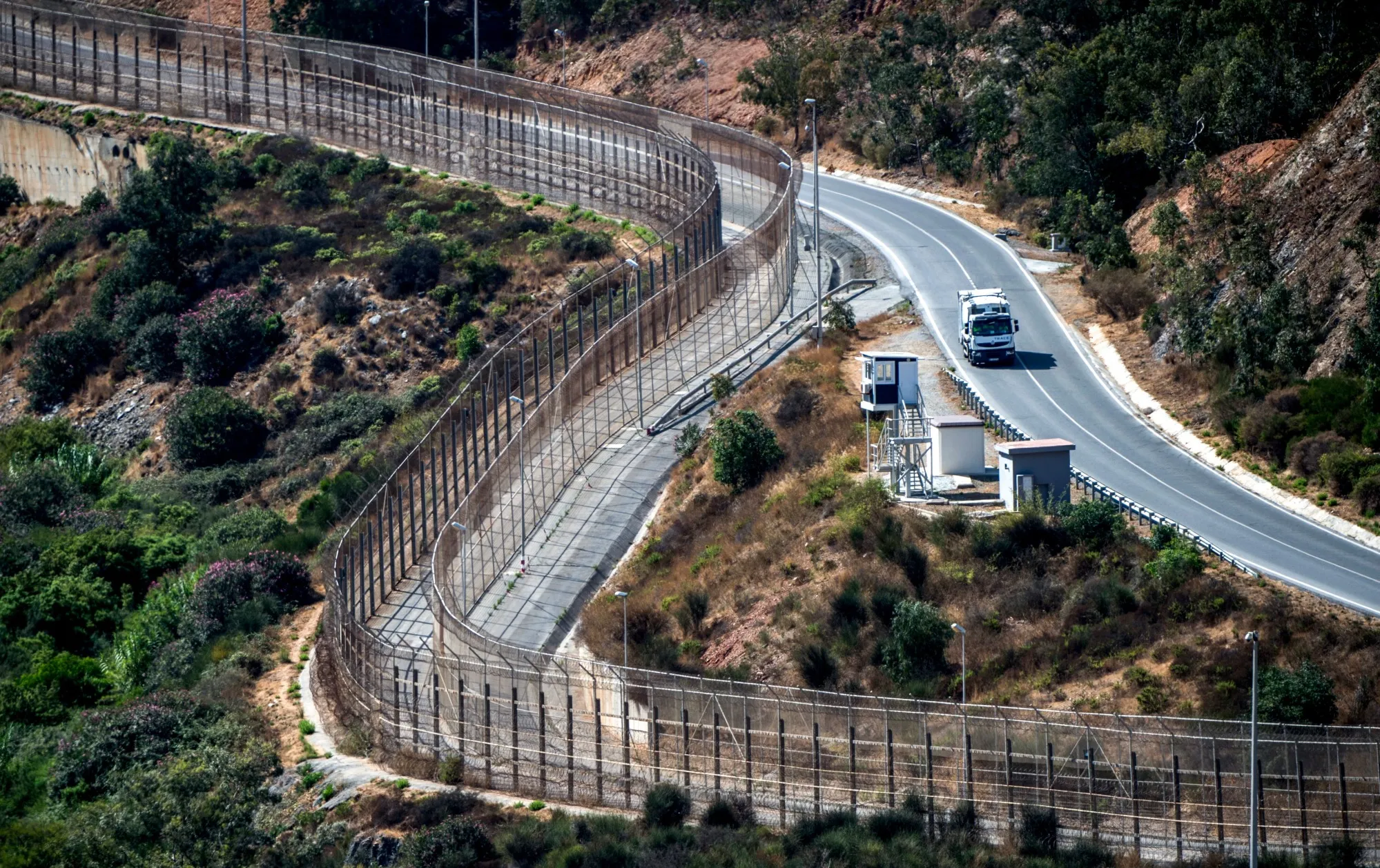
Investigations by the Golden Owl group at the University of Alicante suggest this mobilization was an orchestrated operation involving social media recruitment and coordinated networks. The timing, coinciding with Morocco’s Throne Day, points to a deliberate strategy rather than an incidental surge. This mirrors the 1975 Green March, where Morocco utilized large-scale population movement to force political concessions regarding Western Sahara. By funding Rabat to curb migration, Brussels has inadvertently granted the regime the power to dial that pressure up or down at will.
Beyond migration, the relationship is defined by a web of intelligence, espionage, and alleged corruption. The Moroccogate scandal and ongoing questions surrounding the use of Pegasus spyware against European officials suggest a pattern of influence that extends deep into institutional life. Europe now faces a strategic dilemma: it relies on Moroccan intelligence to combat terrorism and organized crime, yet this very reliance grants Rabat the ability to compromise European stability. When cooperation is predicated on fear of a partner’s retaliation, the relationship is no longer a partnership but a form of systemic submission. The events in Ceuta serve as a warning that by prioritizing short-term border control over legal and strategic consistency, Europe has enabled a single actor to manipulate its internal cohesion and security for external gain.
Comments (0)
No comments yet. Be the first!