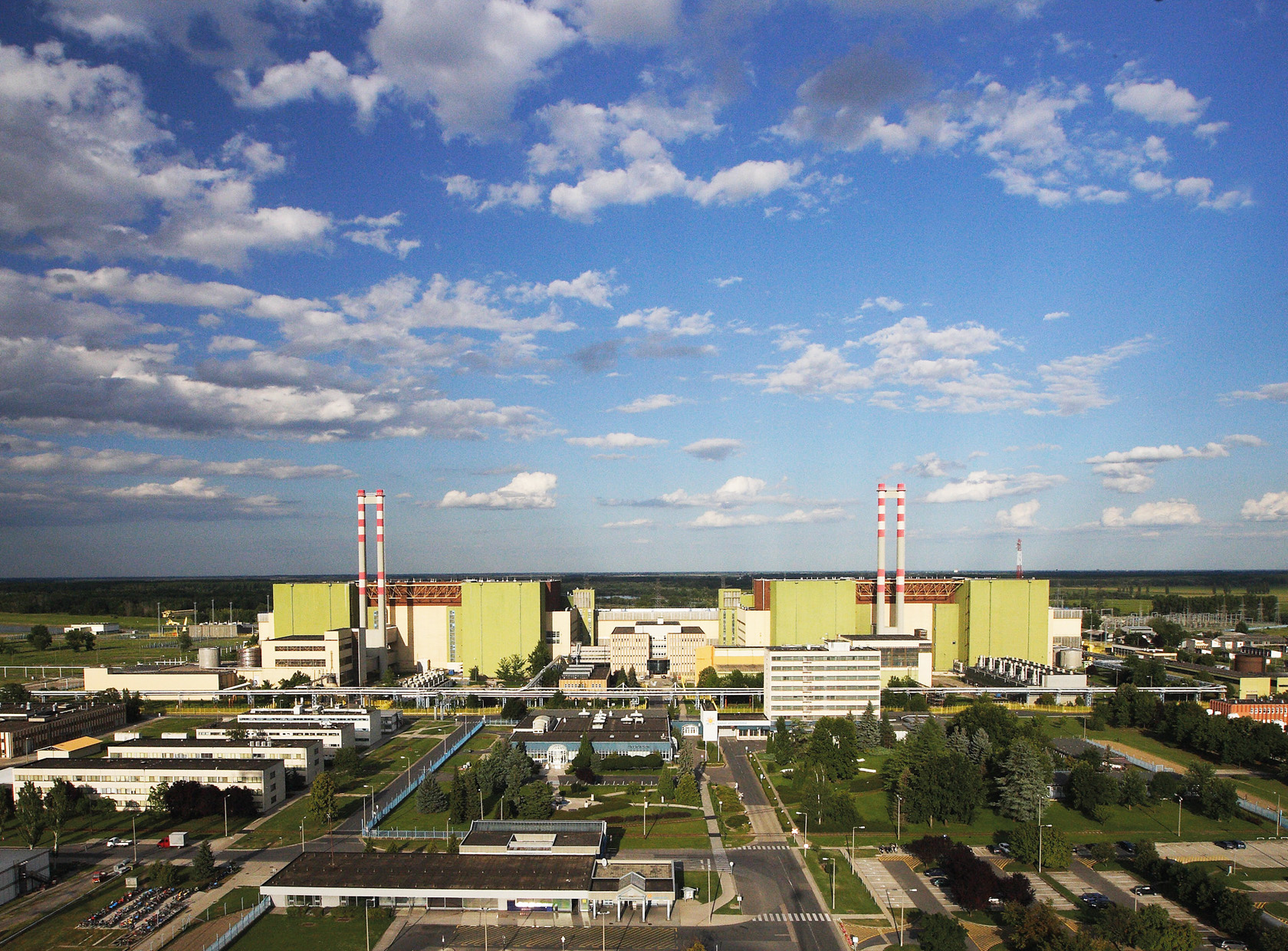
The country is grappling with an extreme energy challenge as the Danube’s water levels hit historic lows. While the Paks nuclear plant, which provides nearly half of Hungary’s electricity, remains operational, the government has implemented emergency energy-saving measures. Prime Minister Péter Magyar has urged households and large businesses to cut consumption, a call that has seen widespread public compliance even as the opposition Fidesz party blames the new administration for failing to anticipate the crisis.
Simultaneously, the administration is confronting the legacy of the previous government's media control. Following the suspension of public news broadcasts, an internal investigation at the Hungarian News Agency (MTI) has revealed a decade of systematic manipulation, including political blacklists and direct editorial instructions from the Prime Minister’s office. A recent attempt by interim management to appoint figures linked to the old guard was swiftly abandoned after public outcry and a direct intervention from Magyar, sparking a debate over the true independence of public media.
Financial accountability has also moved to the forefront, with the government cancelling a 315-billion-forint office complex project in Zugló. Officials claim the developer, tied to interests within the former National System of Cooperation, failed to meet contractual obligations. The state is now seeking the return of disbursed funds, marking a significant step in the broader effort to recover assets siphoned off during the Orbán era. These developments unfold as the parliament prepares for a presidential election on August 11, though Fidesz has signaled it will boycott the vote, citing the illegitimacy of the current constitutional process.
Comments (0)
No comments yet. Be the first!