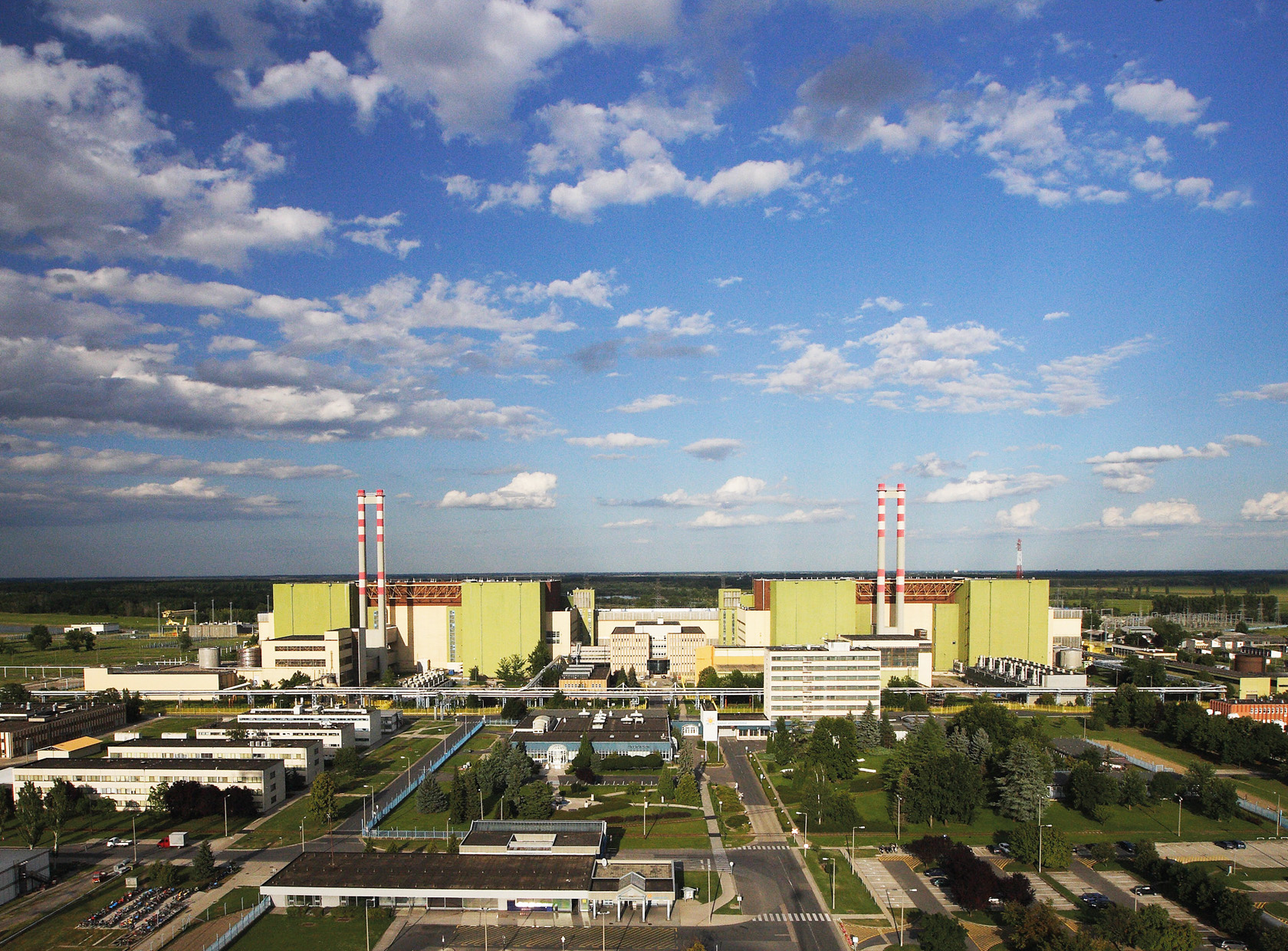
The Paks facility relies on the Danube for critical cooling, but receding water levels have rendered the plant’s pumps increasingly ineffective. While Prime Minister Magyar insists that energy imports—specifically from Slovakia—will prevent a national shortage, experts remain skeptical about the feasibility of such reliance in a tightly regulated European electricity market.
Fidesz, led by former prime minister Viktor Orbán, has seized on the crisis to attack the current administration, accusing Magyar of negligence. This criticism faces scrutiny, however, following the emergence of a December committee recording in which former minister János Lázár admitted that previous governments failed for a decade to address the infrastructure needed to mitigate water shortages. Amidst this friction, the far-right outlet Vadhajtások has actively campaigned against government energy-saving appeals, encouraging supporters to maximize electricity usage in a direct act of political defiance. The situation was briefly compounded by a mechanical failure at the Dunamenti gas-fired power plant, which was finally brought back online on August 2.
Comments (0)
No comments yet. Be the first!