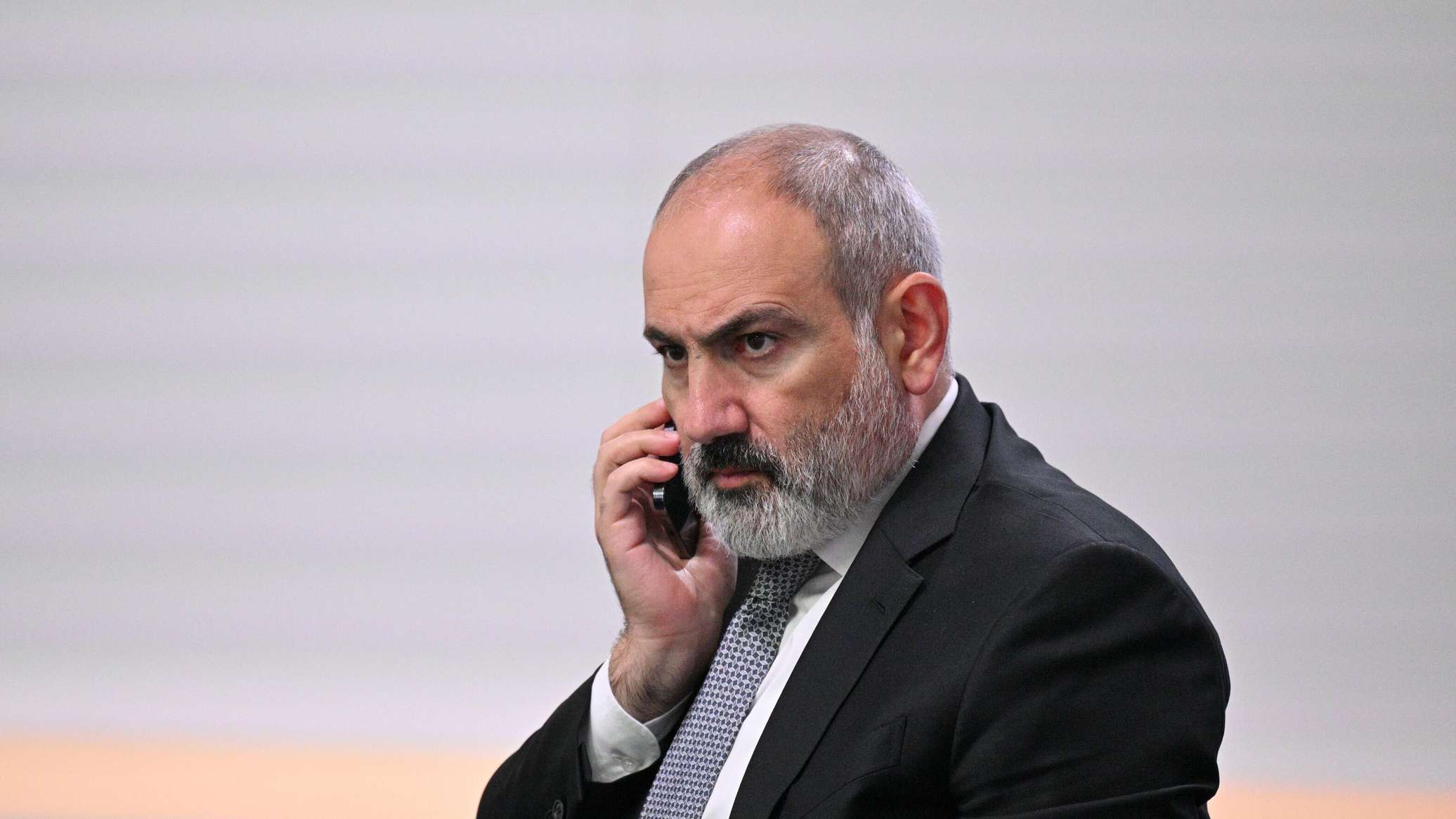
The European Commission’s strategy rests on a dangerous strategic error. In the run-up to the June 7 elections, Brussels unveiled a €50 million support package for Pashinyan, only to expand that commitment toward €2.5 billion following a vote widely viewed as fraudulent. This financial embrace has effectively set the price of domestic repression at zero. While Western observers documented widespread intimidation, state-sponsored media bias, and the arrest of opposition candidates, the official response from Brussels remained largely celebratory. By ignoring these democratic backslides, the EU has signaled that its principles are negotiable when geography serves its interests.
This approach stands in stark contrast to the EU’s stance toward Georgia, where democratic decline led to frozen integration and sanctions. In Armenia, however, the government has learned that personalizing power, capturing courts, and criminalizing dissent carries no penalty from its European partners. This is not merely a moral failure; it is a strategic liability. A regime that jails archbishops and hollows out institutions cannot cultivate the internal unity required to withstand external threats from Azerbaijan. By propping up a single leader rather than investing in independent courts, media, and civic watchdogs, Brussels is replicating the very model of personalized rule that makes post-Soviet states susceptible to Russian influence. To be a genuine ally, the EU must shift its focus from the incumbent to the Armenian institutions that will endure long after his tenure ends.
Comments (0)
No comments yet. Be the first!