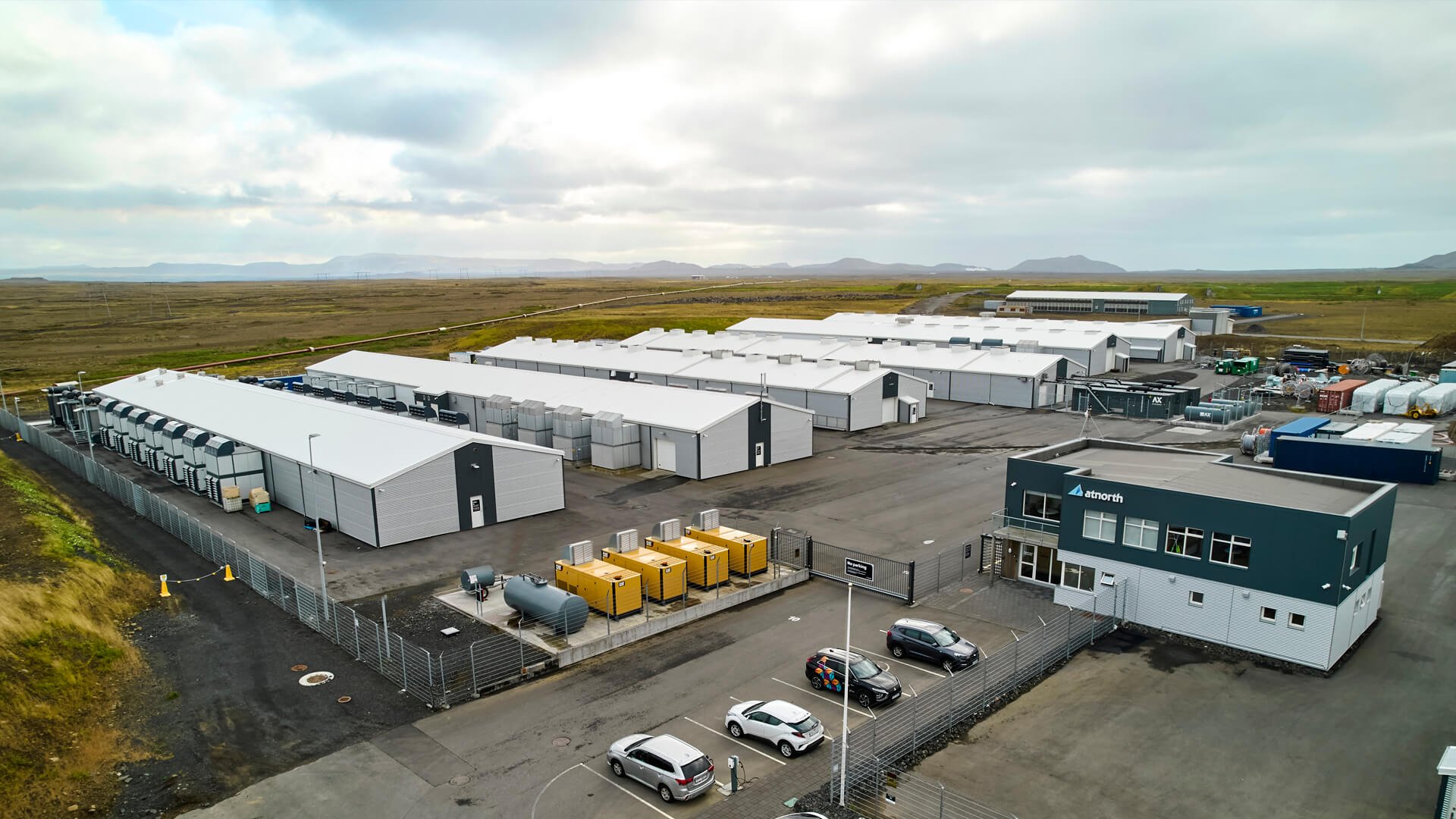
The European Commission’s push for digital sovereignty faces a fundamental hurdle: electricity. While the EU plans to pour billions into AI infrastructure, the continent struggles with energy shortages and lengthy permitting processes. Iceland, currently utilizing only 20% of its renewable power, has emerged as a strategic candidate to host the heavy-duty computing required for training advanced models. Unlike the energy-intensive water cooling systems common in warmer climates, Iceland’s frigid temperatures allow for natural air cooling, significantly reducing operational costs and carbon footprints.
However, the island is not a silver bullet. Geography creates latency issues that make Iceland suitable for cloud storage and AI training, but less effective for real-time applications like critical urban infrastructure. Furthermore, resource extraction is finite; geothermal reservoirs face pressure drops, and new energy projects can take over a decade to complete. The country’s status outside the EU also adds layers of legal complexity, as the bloc’s new Cloud and AI Development Act does not automatically cover EEA members. As Iceland prepares for a potential referendum on EU accession, the debate remains: can the island serve as Europe’s digital backbone without compromising its own environmental identity and local industry needs?
Comments (0)
No comments yet. Be the first!