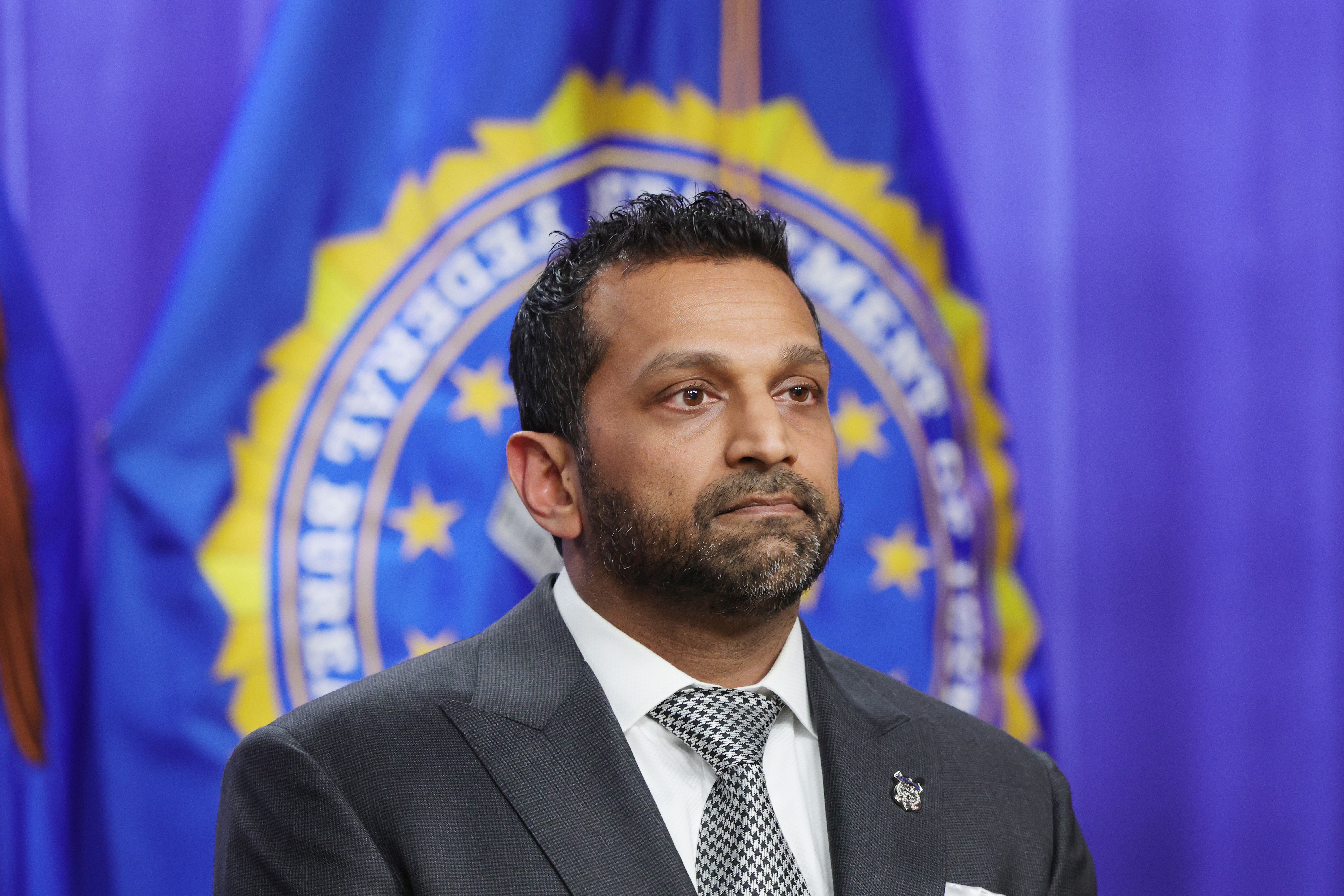
The skepticism surrounding Patel stems from his public dismissal of Russian interference in the American political system. As the head of an agency tasked with counterintelligence and neutralizing foreign influence, his refusal to acknowledge these threats creates a disconnect with traditional allies who view such activity as a primary concern. This friction is exacerbated by the broader appointments within the intelligence community, including the tenure of Tulsi Gabbard and the brief, widely criticized placement of Bill Pulte as her replacement. While the expected confirmation of Jay Clayton offers some hope for institutional stability, the current leadership culture remains a source of unease.
President Donald Trump continues to define this atmosphere through his own approach to classified material. From storing sensitive documents in his Mar-a-Lago bedroom to the impulsive disclosure of state secrets to Russian visitors, the President’s conduct challenges the fundamental protocols of information security. For foreign partners, these patterns suggest an intelligence apparatus that is increasingly volatile, complicating the exchange of sensitive information that serves as the backbone of global security cooperation.
Comments (0)
No comments yet. Be the first!