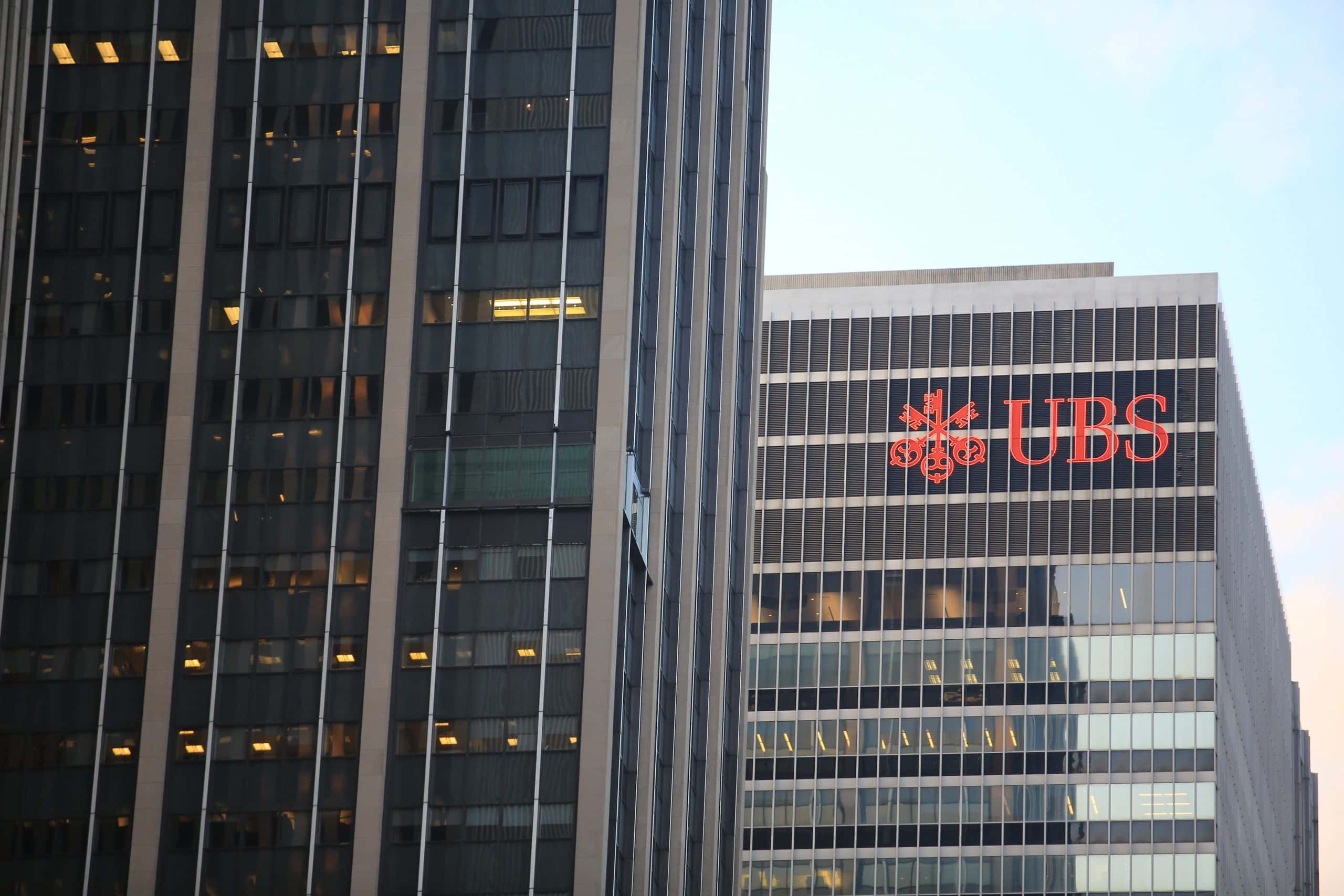
The parliamentary committee, known for its business-friendly stance, is expected to challenge the government’s proposal to mandate 100% Common Equity Tier 1 (CET1) capital backing for the bank's foreign units. Proposals currently on the table suggest lowering that threshold to 50%, 70%, or 80%. Such a reduction could slash the required capital buffer from $20 billion to as little as zero, easing the pressure on the bank’s balance sheet.
Fabio Regazzi of the Centre party, a key figure in the upcoming negotiations, emphasized the need for a compromise that protects taxpayers without imposing unnecessary burdens. UBS has signaled that the government's current plan is out of step with international standards, warning that tying up significant capital would handicap its ability to fund share buybacks, invest in technology, or retain top talent. Despite these concerns, the Swiss National Bank maintains that partial backing risks financial stability, noting that the bank's assets already dwarf the national economy.
To bridge the divide, lawmakers are exploring the use of Additional Tier 1 (AT1) capital as a cheaper alternative to CET1. While AT1 bonds are designed to absorb losses during a crisis, their efficacy in stabilizing a distressed institution remains a subject of debate among experts. The committee is set to meet on August 10, 11, and 31 to finalize a position, with the goal of passing formal legislation by the end of 2026.
Comments (0)
No comments yet. Be the first!