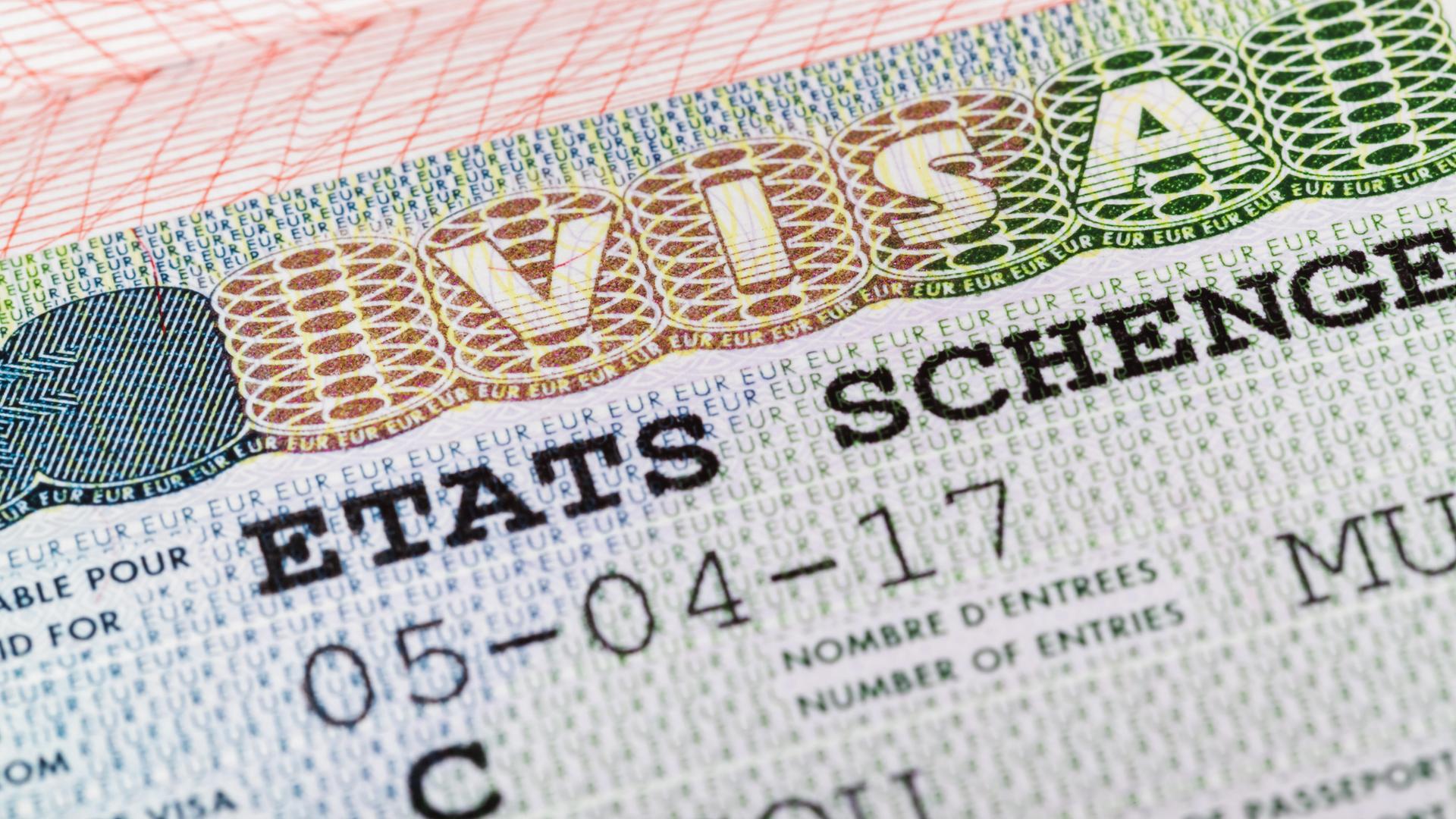
The proposal forms a key component of the 21st sanctions package against Russia. While initial drafts suggested a blanket ban on anyone affiliated with the Russian armed forces, pressure from Italy and France narrowed the scope significantly. These nations argued for protecting tourism revenue, noting that Italian consulates issued over 160,000 Schengen visas last year, while French authorities processed more than 156,000, marking a 26 percent increase over previous figures.
Implementation remains pending as officials work to define the evidentiary standards required to verify a person's combat history. The current framework explicitly targets those who have served in the Russian Armed Forces since the escalation began. Beyond geopolitical tensions, the policy addresses domestic security concerns regarding veterans recruited from prisons. EU authorities fear these individuals could integrate into organized crime networks or act as agents for hostile operations, citing the potential for radicalization and past involvement in war crimes.
Comments (0)
No comments yet. Be the first!