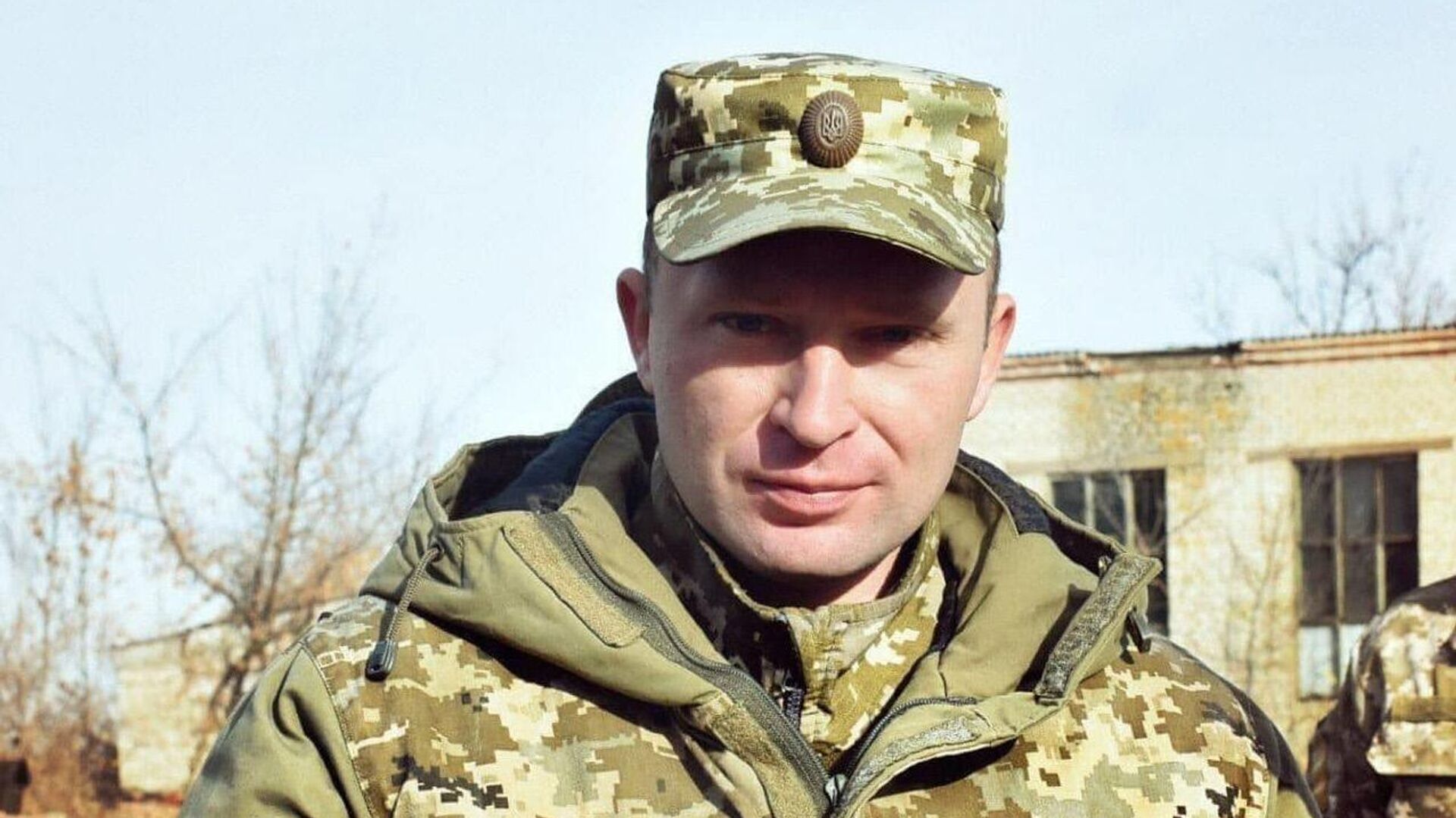
Drapatyi’s appointment marks a significant shift toward a new generation of leadership that rose to prominence during the conflict. Unlike predecessors shaped by the Soviet era, Drapatyi is defined by his frontline experience and a commitment to three specific pillars: high-quality soldier training, rapid technological integration, and the decentralization of command. Analysts note that his focus on empowering brigade commanders and reducing micromanagement has earned him rare popularity among the troops, who have long criticized the General Staff for a lack of situational awareness.
His strategic vision leans heavily on Ukraine’s technological edge, particularly the mass deployment of FPV drones and AI-driven reconnaissance. While supporters see this as a necessary evolution, the general faces immediate, systemic hurdles. He must navigate a complex mobilization landscape and address deep-seated corruption, all while managing a front line where Russian forces continue to exert pressure, most recently in the village of Rai-Oleksandrivka near Sloviansk. With Russian military bloggers already expressing concern over his reputation as a capable, non-traditional commander, the next few months will determine if he can translate his battlefield credibility into the institutional changes required for Ukraine’s defense.
Comments (0)
No comments yet. Be the first!