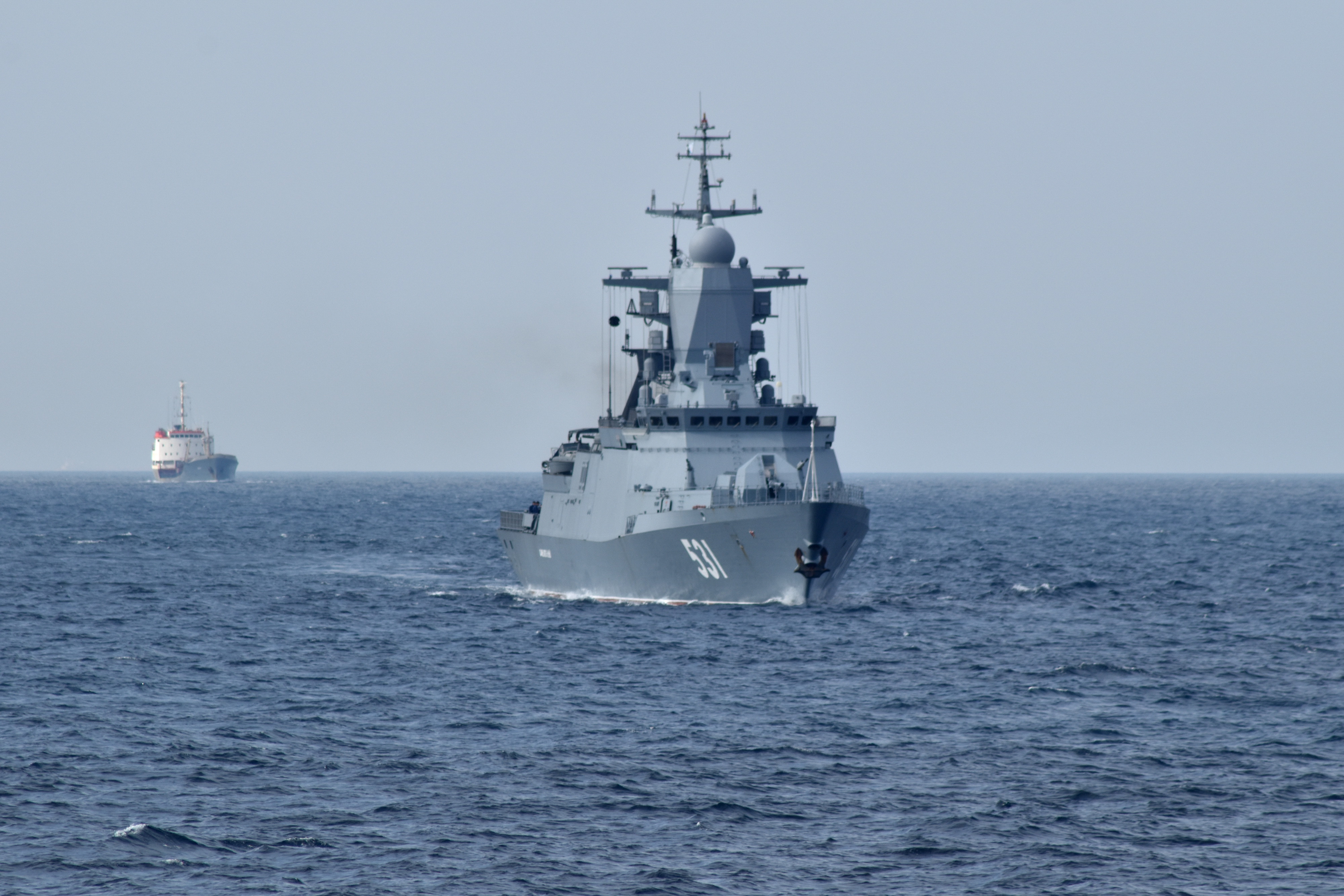
Since the launch of Operation Molochka on July 6, Ukrainian forces have recorded 183 strikes against Russian vessels, effectively disrupting the logistics routes that sustain occupied Crimea and the southern front. Commander Robert Brovdi noted that 119 of these hits occurred in the Sea of Azov alone. The operation, whose name derives from the acronym for 'Moscow will fall via Crimea,' aims to cripple fuel supplies and force a humanitarian crisis that complicates Russia’s ability to hold the territory.
Ukrainian naval drones are proving to be a game-changer. The Mamai, reported to be the fastest vessel in the region with speeds reaching 110 km/h, recently damaged a large Suezmax-class tanker near Novorossiysk. Even the Russian-guarded resort of Gelendzhik, linked to Vladimir Putin’s luxury compounds, saw the destruction of the 60-metre patrol vessel Emerald. Analysts suggest that while Russia is attempting to reinforce its ships with machine guns and portable air defense systems, the sheer volume and speed of the drone attacks leave Moscow in a reactive, weakened state.
The Strategic Gamble of the Kerch Bridge
Despite the intensity of these strikes, Ukraine has pointedly avoided targeting the Crimean Bridge. Military experts argue this is a deliberate strategy to keep an evacuation route open for civilians and those fleeing the peninsula. By maintaining the pressure on maritime logistics while keeping the bridge intact, Kyiv aims to catalyze a total collapse of supply lines, including food, medicine, and fuel. Once the region is sufficiently isolated, the bridge remains the final target in a broader plan to force a total Russian withdrawal from the occupied territories.
Comments (0)
No comments yet. Be the first!