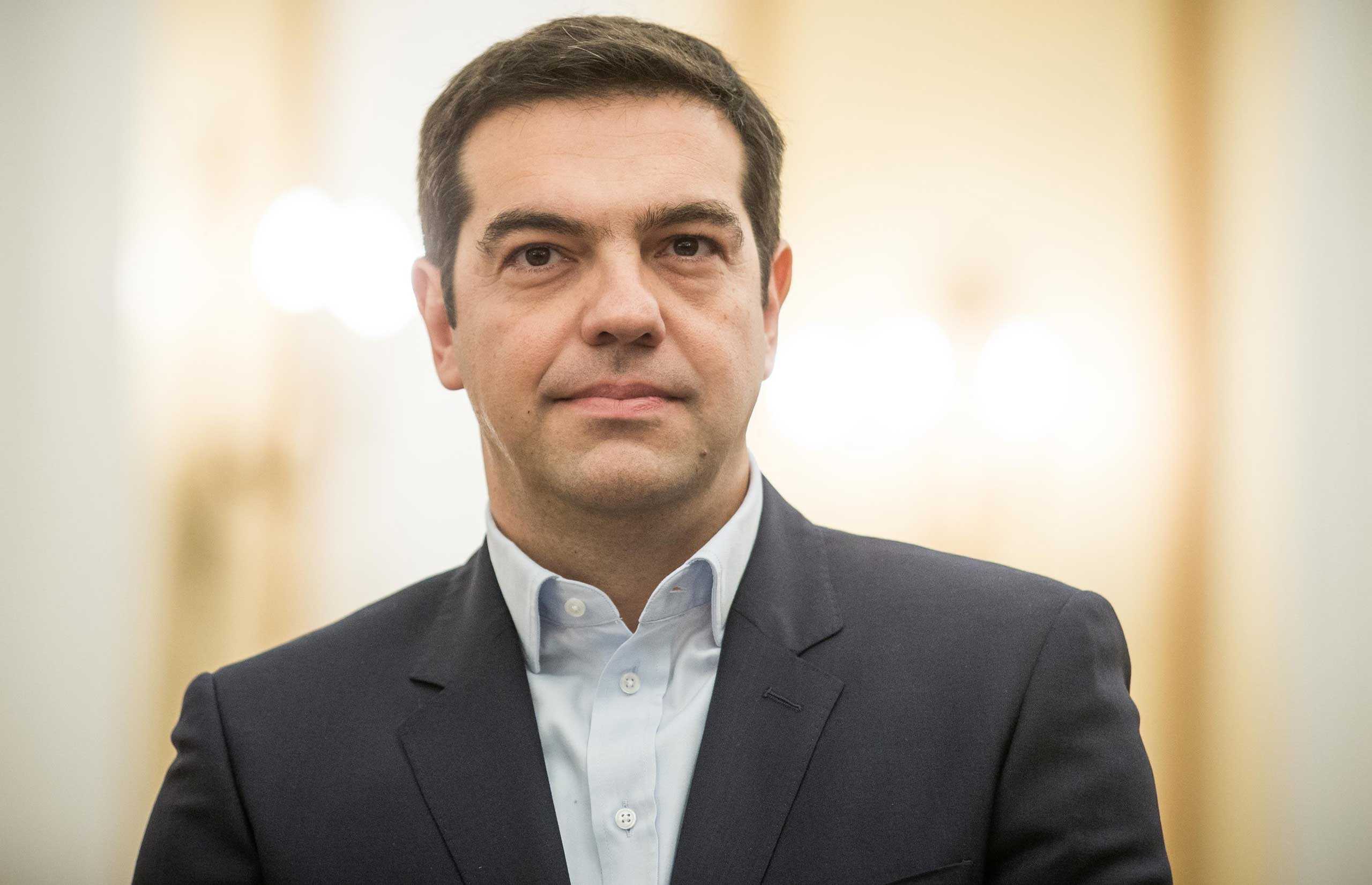
The path to power for Tsipras remains fraught with contradictions. During his 2015–2019 administration, his coalition with the Independent Greeks implemented harsh austerity measures—a sharp pivot from the anti-austerity platform that originally swept him into office. Journalist Ioannis Tsioulis notes that these policies, combined with the politically toxic Prespa Agreement resolving the naming dispute with North Macedonia, alienated the Greek middle class and severely damaged his standing.
Now, Tsipras is attempting a delicate balancing act. He is rebranding himself through the lens of "radical patriotism," a strategy designed to bridge the gap between his traditional leftist base and more conservative, nationalist voters. While his new movement has rapidly climbed in the polls, critics point to a fundamental irony: many of his current campaign promises directly oppose the policies he signed into law during his previous term. Whether this ideological fusion can overcome the deep-seated public skepticism regarding his past record remains the defining question for next year’s parliamentary elections.
Comments (0)
No comments yet. Be the first!