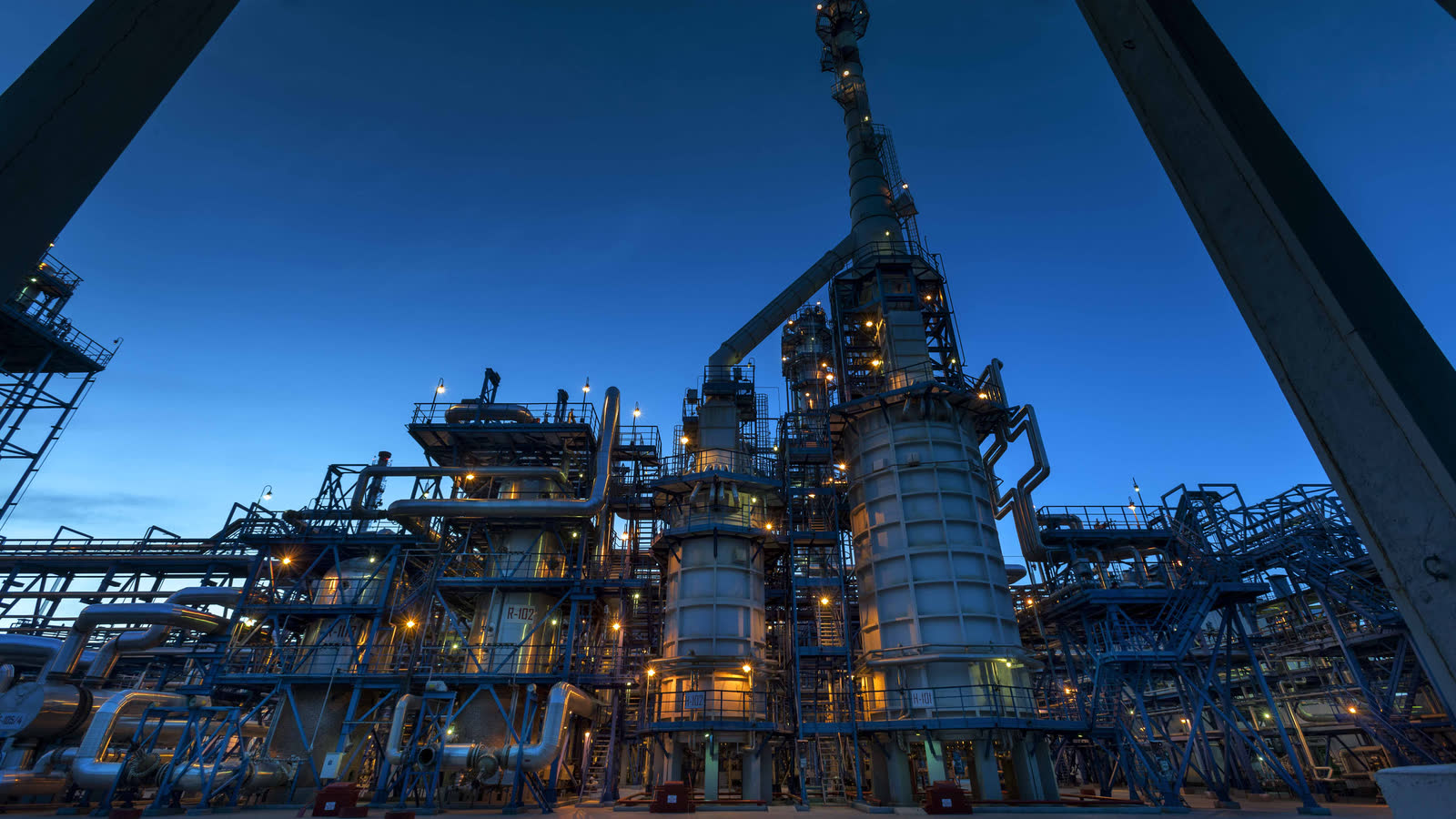
The strike on Omsk, labeled a "super deepstrike" by military observers, targeted a facility with an annual capacity of 21 million tonnes. According to Ukrainian analyst Olexander Kovalenko, the attack specifically crippled a cracking column, a critical component for converting crude oil into high-demand products like aviation fuel and Euro-5 diesel. The damage is expected to exacerbate fuel shortages already rippling through the Russian Federation.
Russian forces attempted to intercept the incoming drones using the Su-57, a fighter jet recently outfitted with specialized anti-drone configurations, but failed to prevent the impact. Technical assessments suggest the Ukrainian FP-1 drones utilized aerodynamic wing designs to extend their range to roughly 3,000 km, bypassing traditional air defenses. This success follows a broader campaign that has already impacted major refineries, including those in Yaroslavl, Ryazan, and Moscow.
Mikhail Khodorkovsky, the former owner of Yukos, noted that while production losses remain manageable at approximately 25 percent, the Kremlin faces a mounting logistical crisis. With skilled labor shortages and an inability to coordinate regional supply, the regime has resorted to lowering fuel quality standards to Euro-2 to prevent a total collapse. As the harvest season approaches, the pressure on diesel supplies is poised to intensify, forcing a difficult choice between sustaining the war effort and maintaining the domestic economy.
Comments (0)
No comments yet. Be the first!