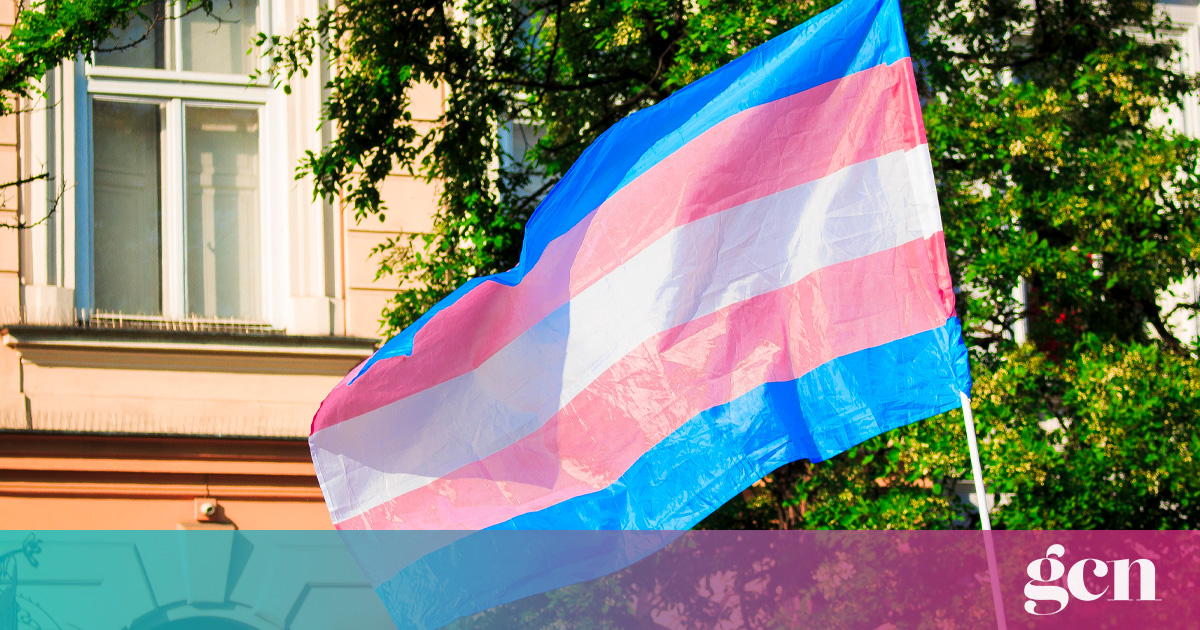
The Shipova case, decided on 12 March, addresses the systemic barriers transgender individuals face when their legal documents fail to reflect their lived identity. EU judges determined that such discrepancies create tangible obstacles to freedom of movement, compelling member states to establish accessible procedures for legal gender recognition. While legal scholars view this as a cornerstone for future protections, the reality for transgender people across the continent remains fractured.
Progress is uneven. While the European Parliament adopted non-binding recommendations in February supporting the recognition of trans women, these gains are met with intensifying opposition. Far-right factions within European institutions frequently utilize their platform to frame transgender rights as a societal threat, while think tanks like MCC Brussels have hosted panels explicitly targeting gender identity discourse. Currently, only 12 European nations allow legal recognition based on self-determination, while countries like Bulgaria and Hungary maintain total prohibitions on changing gender markers. Despite the legal progress signaled by the Shipova ruling, the gap between institutional recognition and the rise of anti-LGBTQ rhetoric continues to define the landscape of rights in Europe.
Comments (0)
No comments yet. Be the first!