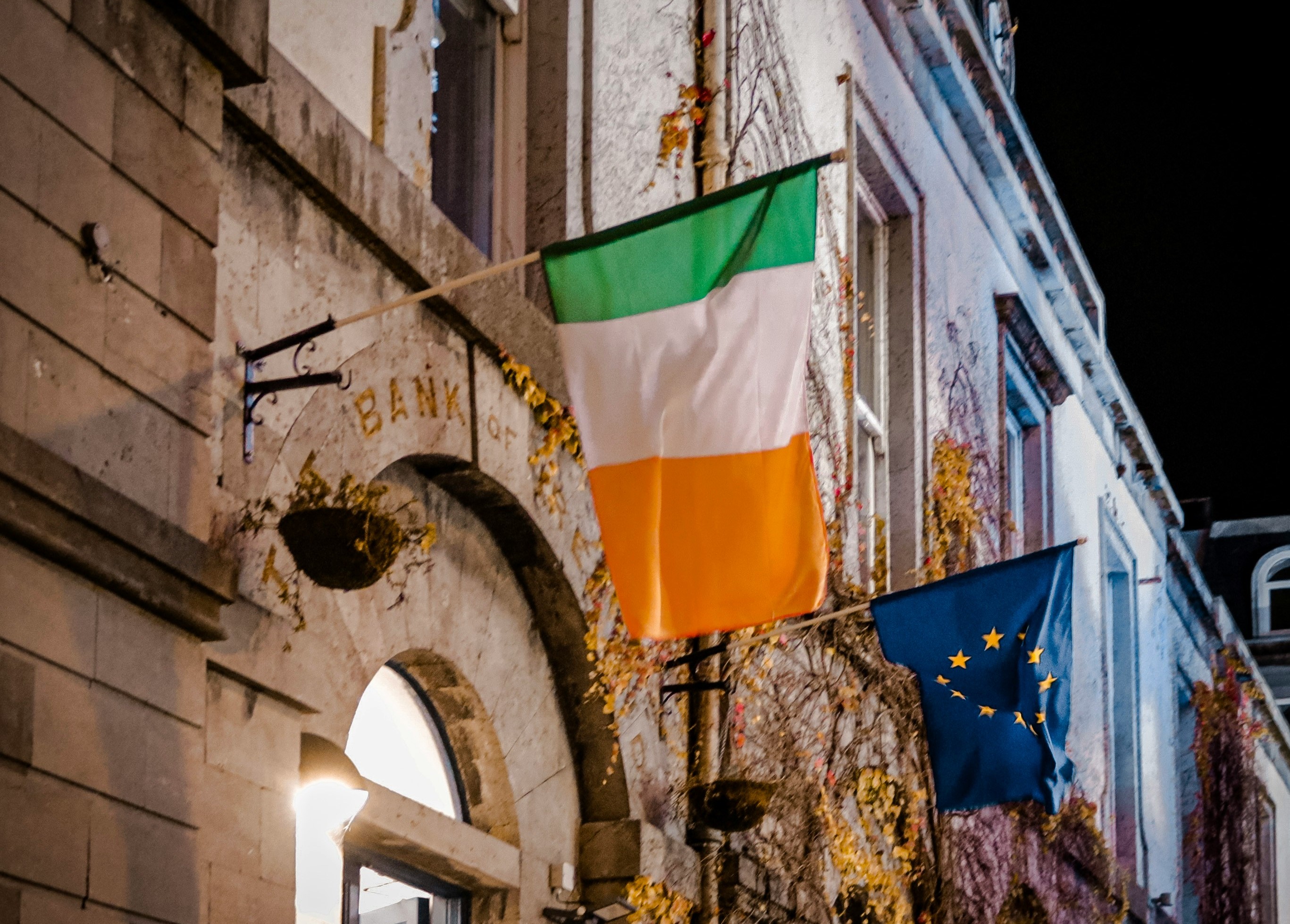
Dublin has spent over a year preparing for this six-month mandate, which involves chairing roughly 180 working parties and committees across Brussels and Luxembourg. Beyond the administrative heavy lifting, Ireland will host 22 informal Council of Ministers meetings and hundreds of stakeholder conferences. To boost domestic engagement, the government has paired every Irish county with an EU member state, aiming to ground European policy in local community partnerships.
The presidency is anchored by three pillars: competitiveness, values, and security. On the economic front, Dublin is tasked with advancing the "One Europe, One Market" roadmap based on the findings of Mario Draghi and Enrico Letta. Perhaps more daunting is the push to finalize the next Multiannual Financial Framework by December 2026. As a significant net contributor to the EU budget, Ireland must balance the demands of frugal member states against those advocating for increased spending.
Security remains the most contentious priority. While the presidency is committed to upholding the principles of Article 2 of the Treaty on EU, Dublin’s own defense posture—spending just 0.4% of its gross national income on military needs—remains the lowest in the bloc. Ireland's long-standing policy of military neutrality complicates its ability to lead on defense initiatives, leaving its credibility in this arena under scrutiny as it navigates a complex geopolitical landscape.
Comments (0)
No comments yet. Be the first!