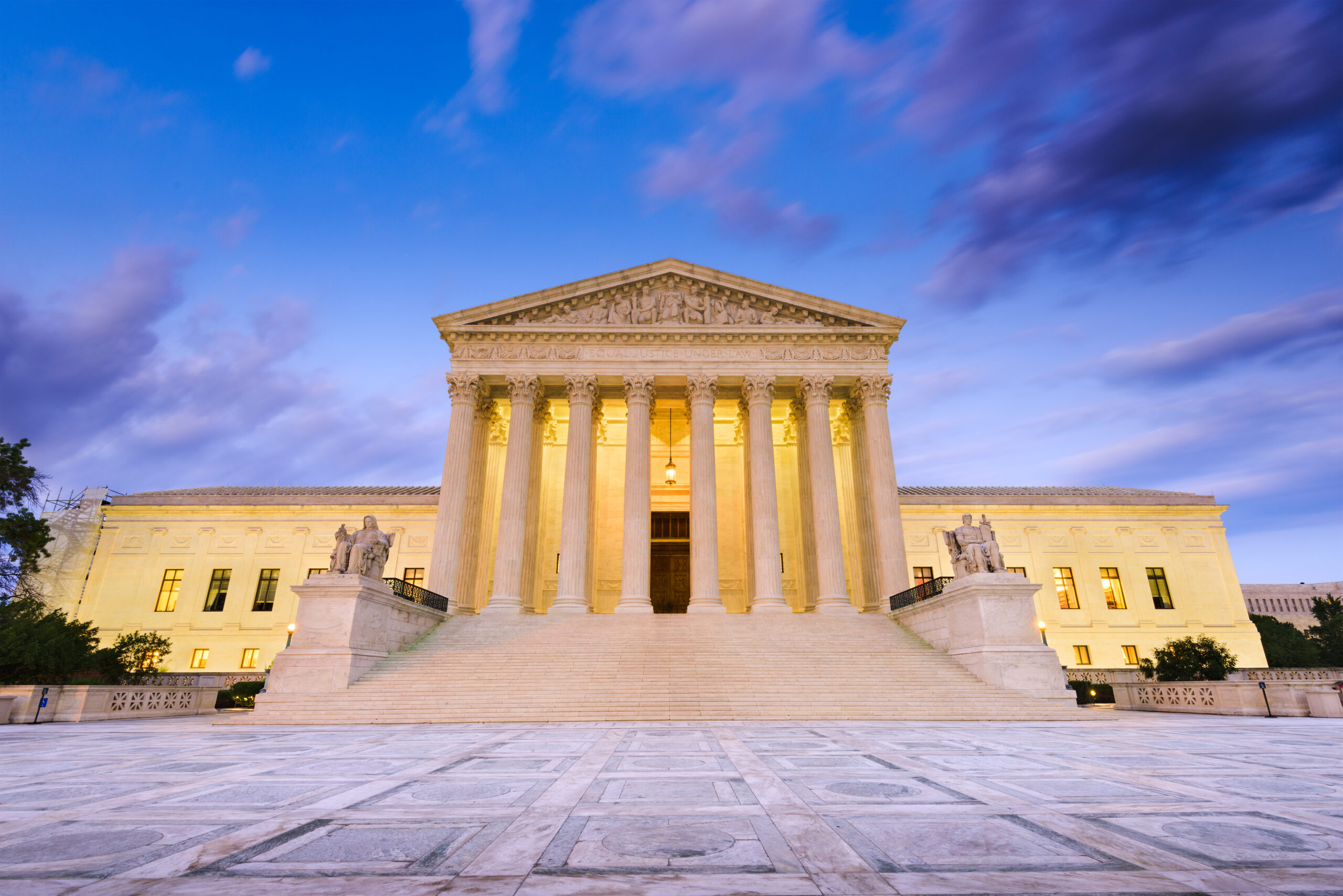
The financial foundation of the office is secure, with the chief justice earning $320,700 annually and associate justices receiving $306,600. This compensation is bolstered by a unique pension system that allows retirees to collect their full final salary for life, provided they meet specific age and service requirements—a perk notably unavailable to the president. Beyond their base pay, justices supplement their income through teaching positions, capped at approximately $30,000, and lucrative book deals which carry no such earnings restrictions. Recent filings show seven-figure advances for memoirs, significantly outpacing their government salaries.
Operational benefits extend to the physical workspace and daily schedule. Justices operate from private, ornate chambers within the Supreme Court Building, a facility that houses a library, a dining room, and a fifth-floor basketball court often referred to as the "Highest Court in the Land." They also benefit from a three-month annual recess, allowing for time away from Washington, D.C. Security is equally robust, with the U.S. Marshals providing lifetime protection, a standard of safety that continues even after a justice steps down from the bench. Perhaps the most significant professional advantage is the total autonomy over their caseload, as the court chooses to hear only a fraction of the thousands of petitions it receives annually, focusing solely on matters of national significance.
Comments (0)
No comments yet. Be the first!